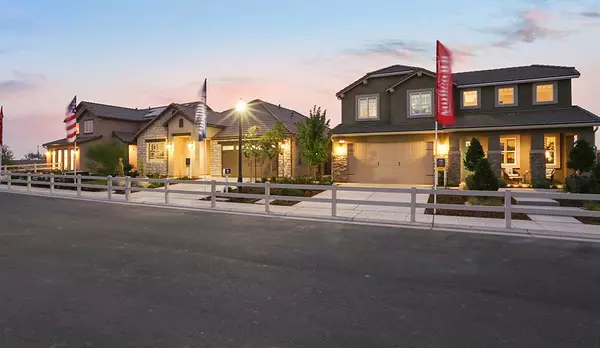
iverstone's 8 Districts: Complete Guide to Neighborhoods, Amenities & Lifestyle
Riverstone's 8 Districts: Complete Guide to Neighborhoods, Amenities & Lifestyle
Discover Each District's Character, Homes, Amenities & How to Choose Your Perfect Riverstone Neighborhood
📋 Table of Contents
- 8 Districts Overview
- Lodge District: Recreation Hub
- Park District: Green Space
- Civic District: Education & Schools
- Market District: Shopping & Services
- Town Center: Downtown Main Street
- Urban District: High-Density Mixed-Use
- Residential Districts: Neighborhoods
- How to Choose Your District
- Frequently Asked Questions
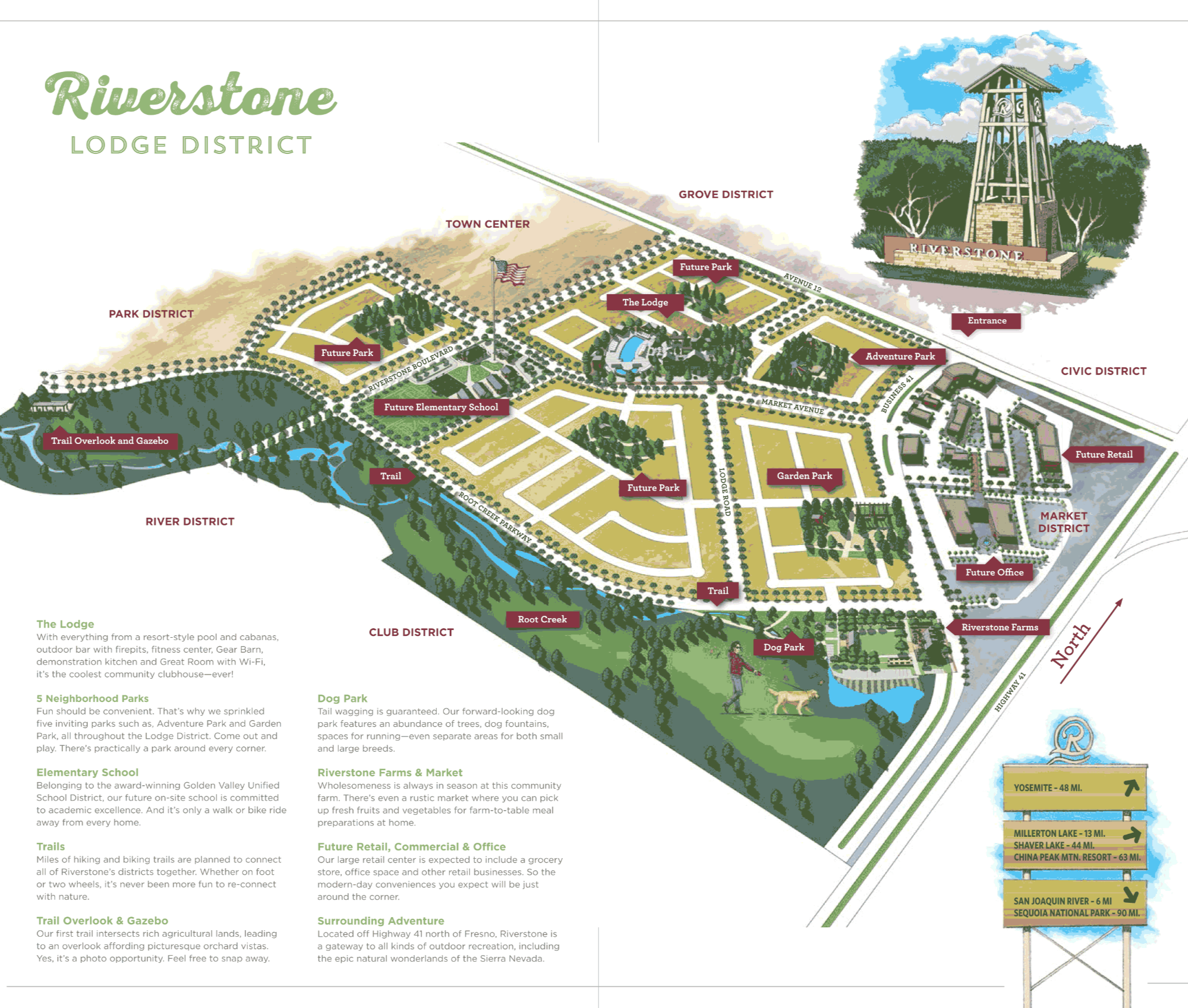
Riverstone organizes its 2,000+ acres and 6,578 homes into 8 strategically planned districts—each with distinct character, purpose, and lifestyle. Unlike typical subdivisions where every street looks identical, Riverstone's district approach creates neighborhood diversity: recreational amenity hub (Lodge District), extensive parks (Park District), education center (Civic District), shopping (Market District), downtown main street (Town Center), urban living (Urban District), and varied residential neighborhoods. This district-based design allows buyers to choose areas matching their priorities—walkable to schools, near amenities, quiet residential, urban downtown—rather than settling for one-size-fits-all subdivision. This guide explores all 8 districts in detail plus strategic neighborhood selection advice.
🗺️ 8 Districts Overview
Riverstone's master plan divides the community into 8 districts based on land use, character, and function.
The 8 Districts of Riverstone:
| District | Primary Purpose | Character | Key Features |
|---|---|---|---|
| Lodge District | Recreation & Amenities | Active, resort-style | The Lodge, pools, fitness, sports |
| Park District | Parks & Open Space | Green, outdoor-focused | 115+ acres parks, trails, fields |
| Civic District | Education & Community | Family-oriented, walkable to school | Stone Creek Elementary, future schools |
| Market District | Retail & Convenience | Suburban shopping center | Grocery, shops, restaurants, services |
| Town Center | Downtown & Entertainment | Urban, walkable main street | Local dining, boutiques, plaza, events |
| Urban District | Mixed-Use High-Density | Urban, vertical, live-work-play | Offices, condos, residential above retail |
| Residential North | Single-Family Homes | Traditional neighborhoods, family-focused | Quiet streets, parks, schools nearby |
| Residential South | Single-Family Homes | Traditional neighborhoods, varied character | Diverse lot sizes, park access |
District-Based Planning Philosophy:
Riverstone's district approach follows proven master-planning principles:
- Functional Separation: Commercial, civic, recreational, and residential uses organized logically
- Walkable Integration: Districts connected by trails and sidewalks creating pedestrian access
- Character Diversity: Different neighborhoods appeal to different buyer preferences
- Efficient Land Use: Clustering amenities and services reduces sprawl
- Phased Development: Districts develop as population supports them
- Complete Community: 8 districts together create self-sufficient town
🏘️ Why Districts Matter: Typical subdivision: 2,000 acres of identical residential streets with external shopping and schools. Riverstone: 8 districts creating varied neighborhoods with integrated amenities. Want quiet residential away from activity? Choose homes in Residential North far from commercial. Want walkable urban lifestyle? Choose Urban District or Town Center adjacency. Want kids walking to school? Civic District location. Districts allow customization vs. one-size-fits-all. This is master-planning advantage—choice and variety.
🏊 Lodge District: Recreation & Amenities Hub
Lodge District Profile
Primary Features:
- The Lodge: 15,000+ sq ft clubhouse with resort amenities
- Aquatic Center: Resort pool, lap pool, spa, splash pad
- Fitness Center: 3,000+ sq ft gym with equipment and classes
- Sports Courts: Basketball, pickleball, tennis
- Event Spaces: Meeting rooms, great hall for gatherings
- Parks: Lodge-adjacent parks and playgrounds
District Character:
- Active Lifestyle: High amenity use, fitness-focused, social activity
- Resort Feel: Club-like atmosphere with daily programming
- Community Hub: Central gathering place for all Riverstone residents
- Family-Friendly: Kids' activities, pool play, organized sports
- Status: Operational (opened 2022), mature amenities now
Homes Near Lodge:
- Proximity: Homes within 2-10 minute walk of amenities
- Builders: All three builders (D.R. Horton, Lennar, Woodside) have Lodge-area homes
- Lot Premiums: $0-$15,000 depending on exact location and views
- Trade-Offs: Convenience vs. noise from pool/events
Who Should Choose Lodge District:
✅ Best Fit for Lodge District
- Active Families: Daily pool use, kids' activities, sports participation
- Fitness Enthusiasts: Walking to gym creates consistent workout habit
- Social Butterflies: Enjoy running into neighbors, community events
- Convenience-Focused: Value easy access over privacy/quiet
- Pool Lovers: Summer daily swimming without leaving neighborhood
Lodge District Advantages & Considerations:
- ✅ Advantages: Ultimate amenity access, no driving to pool/gym, spontaneous use, enhanced property values near amenities
- ⚠️ Considerations: Pool party noise, parking during events, higher foot traffic, less residential tranquility
🌳 Park District: Green Space & Recreation
Park District Profile
Primary Features:
- Total Parks: 115+ acres of parks, trails, and recreation
- Neighborhood Parks: 10-15 small parks (1-4 acres) distributed throughout
- Community Parks: 2-4 larger parks (5-15 acres) with diverse amenities
- Sports Fields: Soccer, baseball, multi-use fields
- Trail Network: Multiple miles of multi-use trails connecting all areas
- Open Space: Natural areas and environmental buffers
District Character:
- Outdoor-Oriented: Emphasis on nature, recreation, fresh air
- Family-Friendly: Playgrounds within walking distance of every home
- Active Recreation: Sports leagues, trail use, outdoor activities
- Green Character: Trees, landscaping, environmental focus
- Phased Development: Parks building as neighborhoods develop
Homes Near Parks:
- Park-Adjacent Lots: Homes backing to parks with open views
- Walking Distance: Every home within 5-minute walk of at least one park
- Lot Premiums: $0-$15,000 for park proximity (varies by location)
- Trade-Offs: Playground noise vs. backyard expansion feeling
Who Should Choose Park-Adjacent Locations:
✅ Best Fit for Park District Focus
- Families with Young Kids: Daily playground access, outdoor play priority
- Outdoor Enthusiasts: Value green space, trails, nature access
- Dog Owners: Easy dog walking routes (if parks allow dogs)
- Active Lifestyle: Walking, jogging, biking regularly on trails
- Open-Space Lovers: Prefer backyard views of parks vs. neighbors
Park District Advantages & Considerations:
- ✅ Advantages: Daily outdoor access, kids' independence (bike to playground), expanded yard feeling, trails for exercise, property value premium
- ⚠️ Considerations: Playground noise (weekends/afternoons), lack of rear-yard privacy, foot traffic on adjacent trails, sports field activity
🎓 Civic District: Education & Schools
Civic District Profile
Primary Features:
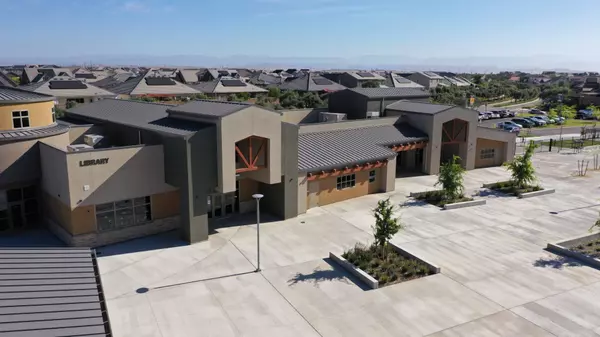
- Stone Creek Elementary: K-6 school on-campus (opened 2024)
- Future Schools: Land reserved for middle school and high school
- School-Adjacent Parks: Parks near school for after-school play
- Safe Routes: Sidewalks and trails specifically to school
- Community Services: Potential future library, community center
District Character:
- Family-Focused: Attracts families with school-age children
- Walkable Education: Kids walking/biking to school safely
- Neighbor Bonds: Shared school creates community connections
- Safe & Supervised: Crossing guards, school zone traffic calming
- Growing District: Evolves as schools and civic facilities develop
Homes Near Schools:
- Walking Distance: Homes within 3-15 minute walk of Stone Creek Elementary
- Builders: All builders offer school-proximate homes
- Lot Premiums: $3,000-$15,000 for school proximity (2-4 blocks ideal)
- Trade-Offs: Convenience vs. morning/afternoon school traffic and activity
Who Should Choose Civic District:
✅ Best Fit for Civic District
- Families with Elementary Kids: Immediate school access, walkability priority
- Education-Focused: Value proximity to schools for involvement and convenience
- Time-Constrained Parents: Eliminate 30-60 min daily school commute
- Community-Oriented: School creates neighbor bonds and social networks
- Long-Term Residents: Plan to stay through kids' school years
Civic District Advantages & Considerations:
- ✅ Advantages: Kids walk to school independently, 30-60 min daily time savings, property value premium (5-15%), easy parent involvement, neighbor connections through school
- ⚠️ Considerations: Drop-off/pick-up traffic congestion, school bell/recess noise, parking during school events, less relevant if no school-age children
🛒 Market District: Shopping & Daily Needs
Market District Profile
Primary Features:
- Grocery Store: Full-service supermarket (40,000-60,000 sq ft)
- Retail Shops: Pharmacy, pet store, home goods, services
- Chain Restaurants: Fast-casual and sit-down chains
- Services: Bank, salon, dry cleaner, shipping
- Parking: Surface lots, drive-oriented but walkable
District Character:
- Convenience-Focused: Daily errands without leaving community
- Suburban Format: Strip mall design with pedestrian connections
- National Chains: Familiar brands (Starbucks, Chipotle-style)
- Drive or Walk: Accessible by both car and foot
- Timeline: Begins 2027-2030, matures 2030-2035
Homes Near Market District:
- Walkable Access: Homes within 5-15 minute walk
- Optimal Distance: 3-6 blocks (close but buffered)
- Lot Impact: Immediate adjacency can discount lots; ideal is nearby but not adjacent
- Trade-Offs: Shopping convenience vs. commercial noise/traffic
Who Should Choose Market District Proximity:
✅ Best Fit for Market District Focus
- Walkability Advocates: Eliminate driving for daily errands (milk, pharmacy, coffee)
- Busy Professionals: Quick lunch runs, post-work grocery stops
- Car-Light Households: One-car families benefiting from walkable shopping
- Time-Savers: Value 5-min walk vs. 15-min drive to external stores
- Urban-Minded: Prefer neighborhood commercial vs. pure residential
Market District Advantages & Considerations:
- ✅ Advantages: Grocery walk 5-10 min vs. drive 20+ min, spontaneous coffee runs, daily errands without car, time savings 3-5 hours/week, property value premium once developed
- ⚠️ Considerations: Commercial noise (delivery trucks, activity), parking lot traffic, lighting at night, less residential tranquility, 5-10 year wait for development
🏘️ Town Center: Downtown Main Street
Town Center Profile
Primary Features:
- Main Street: Walkable downtown with retail and dining
- Public Plaza: Central gathering space with fountain, events
- Local Restaurants: Chef-driven independent dining
- Boutique Shops: Clothing, gifts, specialty retail
- Entertainment: Possible theater, live music, nightlife
- Events: Farmers market, concerts, festivals
District Character:
- Urban Downtown Feel: Main street pedestrian experience
- Local Flavor: Independent businesses vs. chains
- Outdoor Dining: Sidewalk cafés and plaza seating
- Social Scene: Evening activity, people watching, nightlife
- Timeline: Begins 2032-2035, matures 2035-2042
Homes Near Town Center:
- Walkable Distance: 3-10 minute walk from residential areas
- Mixed-Use Residential: Condos/apartments above retail
- Premium Appeal: "Downtown living" attracts specific demographics
- Trade-Offs: Urban energy vs. noise and activity
Who Should Choose Town Center Proximity:
✅ Best Fit for Town Center Focus
- Urban Transplants: Bay Area/coastal relocators wanting walkable downtown
- Young Professionals: 25-40 year olds valuing dining and nightlife access
- Empty Nesters: Downsizers wanting restaurants and culture nearby
- Social Lifestyle: Evening strolls to dinner, plaza events, farmer's market walks
- Experience-Focused: Value local businesses and community culture over convenience chains
Town Center Advantages & Considerations:
- ✅ Advantages: Walk to dinner/drinks, vibrant atmosphere, farmers market access, unique local businesses, property value premium (urban appeal), events and entertainment
- ⚠️ Considerations: Restaurant/bar noise evenings, plaza event sounds, parking challenges during events, higher density, 10-15 year wait for full development
🏙️ Urban District: High-Density Mixed-Use
Urban District Profile
Primary Features:
- Mixed-Use Buildings: Residential above commercial (2-4 stories)
- Office Space: Professional offices for businesses
- Live-Work Units: Residential with ground-floor business space
- High Density: Urban-scale development vs. suburban sprawl
- Minimal Parking: Structured parking, pedestrian priority
- Urban Character: City-style living in suburban context
District Character:
- Vertical Living: Condos/apartments vs. single-family homes
- Live-Work-Play: Ultimate integration—live above office/shops
- Urban Energy: Higher density, more activity, city feel
- Professional Focus: Office space attracting businesses
- Timeline: Develops 2033-2040 as community matures
Homes in Urban District:
- Unit Types: Studios to 3-bedroom condos/apartments
- Pricing: $1,200-3,200/month rent or $300K-500K purchase
- Size Range: 400-1,500 sq ft (smaller than single-family)
- Target Market: Singles, couples, remote workers, downsizers
Who Should Choose Urban District:
✅ Best Fit for Urban District
- Remote Workers: Home office above coffee shop, ultimate "commute"
- Small Households: Singles or couples not needing yard/space
- Urban-Preferring: Want city living without Bay Area cost
- Lock-and-Leave: Travel frequently, want secure low-maintenance condo
- Car-Optional: Walk everywhere, minimal driving lifestyle
Urban District Advantages & Considerations:
- ✅ Advantages: Ultimate walkability (elevator to coffee/dinner), low maintenance (no yard), urban lifestyle in suburbs, live-work integration, diverse demographics, smaller footprint (environmental)
- ⚠️ Considerations: No yard or outdoor space (balcony only), smaller units, condo HOA fees on top of Riverstone HOA, noise from street/commercial below, 10-15 year wait, niche market (not for families with kids)
🏡 Residential Districts: Neighborhoods
Beyond the 6 specialized districts (Lodge, Park, Civic, Market, Town, Urban), Riverstone includes 2+ residential-focused districts creating traditional neighborhoods.
Residential Districts Profile
Residential North:
- Character: Traditional single-family neighborhoods, family-focused
- Lot Sizes: 5,000-12,000+ sq ft depending on builder/collection
- Proximity: Near Lodge and parks, moderate distance to commercial (when built)
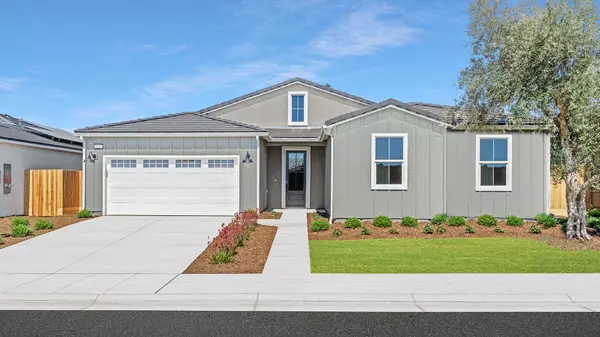
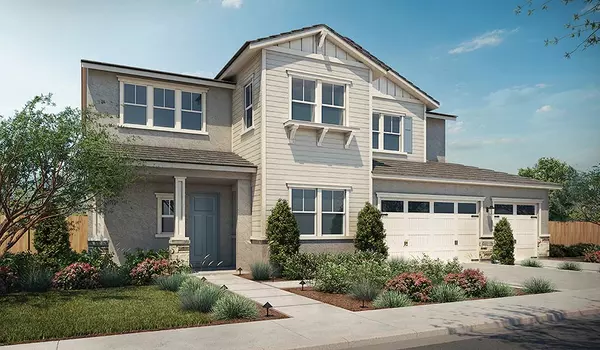
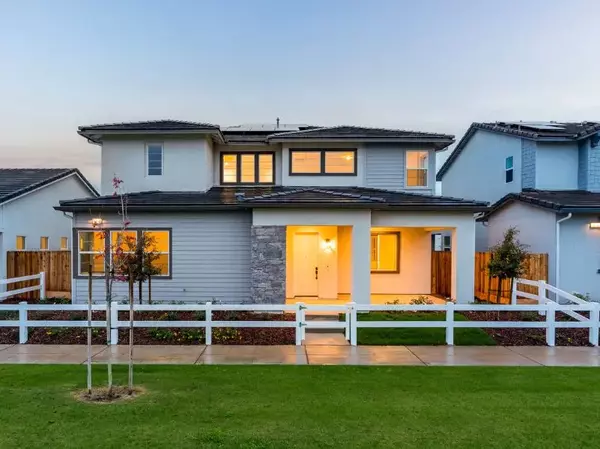
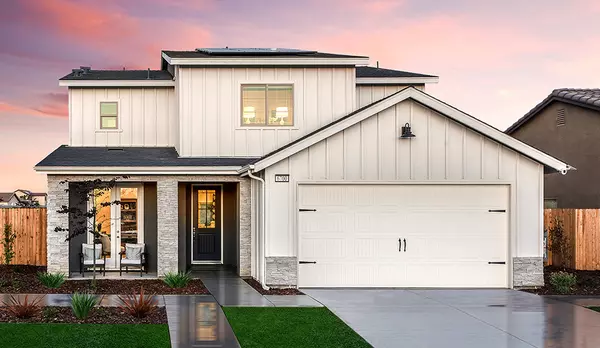
- Builders: All three builders with varied price points and styles
- Amenities: Neighborhood parks within walking distance, Lodge 5-10 min
- Feel: Quiet residential streets, cul-de-sacs, traditional suburban
Residential South:
- Character: Traditional single-family neighborhoods, varied styles
- Lot Sizes: Range from 5,000 sq ft to 12,000+ sq ft (Woodside largest)
- Proximity: Access to parks, future commercial proximity varies
- Builders: Mix of D.R. Horton, Lennar, Woodside throughout
- Amenities: Distributed parks, trails connecting to Lodge and schools
- Feel: Suburban neighborhood, tree-lined streets, family-friendly
Common Residential Features:
- Single-Family Homes: Detached houses with yards (vs. condos/townhomes)
- 2-3 Car Garages: Typical suburban configuration
- Front Yards: Landscaped front yards creating curb appeal
- Varied Architecture: Multiple floor plans and elevations preventing monotony
- HOA Maintained: Common areas, landscaping, parks professionally maintained
Who Should Choose Pure Residential Districts:
✅ Best Fit for Residential Districts
- Traditional Families: Want classic suburban neighborhood vs. mixed-use urban
- Privacy-Focused: Prefer quiet residential away from commercial activity
- Yard Lovers: Value outdoor space for kids, pets, gardening
- Garage/Storage Needs: Want 2-3 car garages, workshop space
- Car-Comfortable: Don't prioritize walkability, happy to drive 5-10 min to amenities
Residential Districts Advantages & Considerations:
- ✅ Advantages: Quiet streets, residential tranquility, larger lots/homes, traditional neighborhood feel, privacy, away from commercial noise, family-friendly cul-de-sacs
- ⚠️ Considerations: Requires driving to most amenities (Lodge, shopping when built), less walkable than mixed-use areas, can feel isolated until community builds out, longer walks/drives to commercial
🏡 Residential Districts = Classic Suburbs: If you want traditional subdivision experience (quiet street, yard, garage, neighbors with similar homes) but WITH access to Riverstone amenities (Lodge, parks, schools), residential districts deliver this. You get suburban normalcy with master-planned amenities—best of both worlds for families not seeking urban downtown lifestyle. Most Riverstone buyers (70-80%) likely choose residential districts; smaller percentages choose mixed-use urban or commercial-adjacent living.
🎯 How to Choose Your Perfect District
Selecting the right district requires understanding your priorities, lifestyle, and trade-offs.
📋 District Selection Framework
Step 1: Identify Your Priorities (Rank 1-5):
- □ Walkable amenities (pools, fitness, dining, shopping)
- □ School proximity (walking distance to Stone Creek Elementary)
- □ Parks and outdoor space access
- □ Quiet residential character away from activity
- □ Urban/downtown lifestyle with entertainment
Step 2: Consider Your Household:
- Young Family (kids 0-12): → Civic District (school) or Park District (playgrounds)
- Active Adults: → Lodge District (fitness/pools) or Park District (trails)
- Professionals/Couples: → Town Center or Urban District (walkable dining/culture)
- Empty Nesters: → Town Center (low-maintenance condo) or Lodge District (amenities)
- Traditional Family: → Residential Districts (quiet, privacy, yards)
Step 3: Evaluate Trade-Offs:
- Convenience vs. Quiet: Lodge/Market proximity means activity; Residential means peace
- Walkability vs. Privacy: Mixed-use areas walkable but busier; Residential private but drive-dependent
- Timeline: Lodge operational now; commercial districts 5-15 years away
- Lot Premium: Amenity proximity costs $0-15K; quiet residential often standard pricing
District Matching Guide:
| Your Priority | Best District Match | Second Choice |
|---|---|---|
| Daily fitness/pool use | Lodge District (immediate) | Park District (trails + Lodge access) |
| Kids walking to school | Civic District (Stone Creek) | Residential near Civic |
| Outdoor play/parks | Park District (playgrounds) | Residential with park access |
| Walkable shopping/dining | Market District (future) | Town Center (future, more urban) |
| Urban downtown lifestyle | Town Center (future) | Urban District (future, highest density) |
| Quiet traditional neighborhood | Residential Districts | Residential far from Lodge/commercial |
| Work from home (office space) | Urban District (future) | Residential (home office room) |
Common District Selection Mistakes:
- Overvaluing Walkability: "Must be walkable" then rarely walk (human nature)—test your habits
- Underestimating Noise: "Pool sounds won't bother us" then regret—visit at peak times
- Ignoring Timeline: Buying for commercial proximity when it's 10+ years away—verify development schedule
- Wrong Life Stage: Choosing Civic District without kids, then it's irrelevant—match current reality
- Forgetting Resale: Ultra-specific location may limit buyer pool—consider marketability
Multi-District Strategy:
No single district is "best"—prioritize what matters most:
- Primary Priority: Choose district matching #1 priority (e.g., school proximity = Civic)
- Accept Trade-Offs: Every location has downsides; Civic has school access but also noise
- Secondary Access: Trails/streets connect all districts—you can access Lodge even from Residential
- Future-Proof: Consider 5-10 year needs, not just current (kids growing, lifestyle changes)
🎯 Perfect District Doesn't Exist: No district checks every box. Lodge District = amenities but noise. Residential District = quiet but less walkable. Town Center (future) = urban vibe but small homes and 10-year wait. Your goal: maximize #1-2 priorities while accepting #3-5 compromises. Perfect location = best alignment with YOUR top priorities, not theoretical ideal. Visit different districts at various times before deciding.
❓ Frequently Asked Questions
Q: Can I access all 8 districts regardless of where I live in Riverstone?
A: Yes, all Riverstone residents have access to all districts and amenities. Living in Residential North doesn't exclude you from Lodge District pools or Town Center dining (when built). However, practical usage depends on distance—you'll use what's convenient. Homes 15-minute walk from Lodge use it less than homes 5-minute walk. Districts matter more for daily convenience than access rights.
Q: Which district has the best property values and appreciation?
A: Data incomplete (Riverstone too new for long-term trends), but patterns from comparable communities: (1) Lodge proximity: 5-10% premium when amenities mature, (2) School proximity: 5-15% premium, (3) Commercial proximity: 3-8% premium once developed, (4) Park-adjacent: 5-10% premium with caveats. However, market conditions and home quality matter more than district alone. All districts should appreciate similarly long-term; premiums reflect lifestyle preferences more than investment returns.
Q: Which builders build in which districts?
A: All three builders (D.R. Horton, Lennar, Woodside) have homes throughout multiple districts—not exclusive to specific areas. You'll find Artisan, Emery, and Ariette collections in Lodge-adjacent, Civic District, Residential areas, etc. Builder choice (price point, quality, features) is separate from district choice (location, amenities). Choose district first, then select builder within that area based on budget and preferences.
Q: If I buy in a residential district now, will commercial districts affect my property values when they develop?
A: Generally positive impact—commercial development increases entire community's appeal and property values. Homes near commercial see direct premiums (walkability). Homes far from commercial benefit indirectly (convenience without proximity downsides). Exception: immediate commercial adjacency can negatively impact some lots (noise), but this is localized. Overall community appreciation from commercial completion outweighs individual lot considerations.
Q: Can I move between districts within Riverstone (sell one home, buy another)?
A: Yes, some residents "trade up" within Riverstone—sell starter home in one district, buy larger home in another as life changes. Benefits: (1) Know the community intimately, (2) Keep established social networks, (3) Familiar with schools/amenities, (4) HOA transfer easier. However, transaction costs apply (realtor fees, closing costs, moving). Makes sense if life stage changes dramatically (downsizing, kids aging out of schools, etc.) but expensive for minor preferences.
Q: Which district is least affected by development delays or changes?
A: Lodge and Civic Districts—both have operational amenities now (Lodge opened 2022, Stone Creek Elementary 2024). Residential Districts also stable (just homes, parks). Market District, Town Center, Urban District depend on future commercial development (5-15 year timeline) creating uncertainty. If you want certainty, choose Lodge/Civic/Residential proximity. If you're willing to wait for commercial, Market/Town/Urban offer potential upside but risk delays.
Q: How do I tour different districts before buying?
A: Visit Riverstone multiple times at different times/days: (1) Saturday afternoon to see Lodge activity, pool usage, (2) Weekday morning during school drop-off to observe Civic District, (3) Walk trails connecting districts to understand distances, (4) Drive or walk from model homes to Lodge/school/parks timing yourself, (5) Visit at 8 AM, 3 PM (school), and 6 PM (evening activity) to see patterns. Spend hours, not minutes, experiencing different areas.
Q: Can district boundaries change or are they fixed in the master plan?
A: Master plan defines general district locations and uses, but exact boundaries can shift slightly during development. Major changes (converting commercial to residential) require county approvals and unlikely. Minor adjustments (park exact location, specific commercial parcel) possible. Core concept stable: Lodge will be Lodge, Civic will have schools, commercial areas designated. Don't expect fundamental changes, but exact building placements may vary from early renderings.
Q: If I prioritize walkability but commercial districts aren't built for 10 years, should I still buy near them?
A: Depends on patience and belief in vision. Yes if: (1) You accept 5-10 year wait, (2) Home appreciates offsetting wait, (3) Madera/Fresno acceptable meanwhile. No if: (1) You need walkability immediately (choose mature walkable community instead), (2) 10-year wait unacceptable, (3) Skeptical commercial will develop as planned. Middle ground: Buy in Residential District now (lower price), sell and move to commercial-adjacent later when developed if still desired.
Q: Which district is best for someone working from home?
A: Multiple good options: (1) Residential Districts: Quiet for focus, dedicated home office, privacy from distractions, (2) Urban District (future): Live-work units with ground-floor office or separate workspace, walk to coffee shops for variety, (3) Near Town Center (future): Work from home, walk to coffee shop or coworking space, dining breaks. Avoid: Immediately adjacent to Lodge (pool noise) or Civic (school activity) unless distractions don't bother you. Most remote workers choose quiet Residential for focused work.
Find Your Perfect Riverstone District
Schedule a personalized tour exploring different districts. Discover which neighborhood aligns with your lifestyle, priorities, and vision for daily living.
Schedule District Tour View District Map Compare Home Availability❓ Which District Appeals Most to You?
After learning about all 8 districts, which one aligns best with your lifestyle and priorities? Lodge (amenities)? Civic (school)? Town Center (downtown)? Residential (quiet)? Share what matters most in your neighborhood choice!
📧 Get District Development Updates
Subscribe for notifications about new phases opening, district development progress, home availability in specific districts, and neighborhood updates. Stay informed about all 8 districts!
Categories
Recent Posts