Market District at Riverstone: Complete Guide to Shopping, Dining & Commercial Development
Market District at Riverstone: Complete Guide to Shopping, Dining & Commercial Development
Discover 118+ Acres of Retail Shops, Restaurants, Services & Walkable Commercial Creating Live-Work-Play Lifestyle
📋 Table of Contents
The Market District transforms Riverstone from bedroom community into complete live-work-play environment. With 118+ acres dedicated to commercial development—retail shops, restaurants, services, and businesses—Riverstone residents will eventually handle daily errands, dining, shopping, and professional services without leaving the community. This guide explores every aspect of the Market District: total commercial acreage, retail categories, restaurants and dining, professional services, development timeline, walkable access, homes near commercial areas, and how integrated retail creates lifestyle advantages eliminating hours of weekly driving to external shopping centers.
🏬 Market District Overview
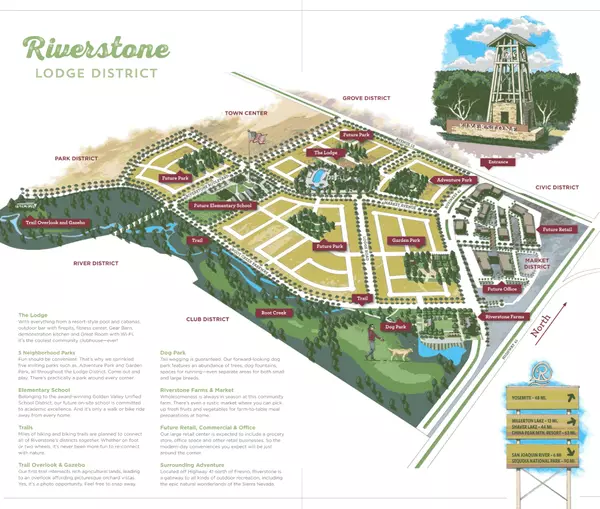
The Market District is the primary commercial hub within Riverstone's 8 master-planned districts, bringing retail, dining, and services on-campus.
What is the Market District?
The Market District encompasses Riverstone's retail and commercial areas:
- Market District (Core): Primary retail center with grocery, shops, restaurants
- Town Center: Mixed-use downtown with dining, services, entertainment
- Urban District: Higher-density commercial with offices, residential above retail
- Total Commercial: 118+ acres across three commercial districts
- Integration: Commercial woven into residential areas via walkable design
Commercial Development Philosophy:
Riverstone's commercial strategy follows proven principles:
- Phased Development: Commercial builds as residential population supports businesses
- Market-Driven: Tenants lease space based on resident density and demographics
- Walkable Design: Pedestrian and bicycle access from all neighborhoods
- Mixed-Use: Residential above retail creating 24/7 activity
- Community Serving: Businesses cater to resident needs first (grocery, dining, services)
- Regional Draw: Select businesses also attract customers from broader Madera area
Why 118+ Acres of Commercial Matters:
| Aspect | Typical Subdivision | Riverstone Market District |
|---|---|---|
| Commercial Space | 0 acres (pure residential) | 118+ acres integrated commercial |
| Grocery Shopping | Drive 10-20 min to external stores | Walk/bike to on-campus grocery |
| Dining Options | Drive to restaurants in town | Multiple restaurants within community |
| Services | Drive to doctor, dentist, salon, etc. | Professional services on-campus |
| Daily Errands | Requires vehicle and commute | Walk/bike for most needs |
| Community Character | Bedroom community, dormitory feel | Complete town, vibrant activity |
| Property Values | Standard appreciation | Mixed-use premium (3-8% higher) |
🏘️ Bedroom Community vs. Complete Town: Most subdivisions are "bedroom communities"—pure residential requiring residents to leave for everything (work, shop, eat, services). Riverstone aspires to be complete town where 70-80% of daily needs are met on-campus. This doesn't mean never leaving (you'll still commute to work if not remote, visit Fresno for specialty shopping, etc.), but it means milk, dinner, haircut, pharmacy—daily errands—happen within Riverstone, saving hours weekly and creating vibrant community life.
📊 118+ Acres Commercial Breakdown
Riverstone's 118+ acres of commercial space divide across three distinct districts, each with different character and function.
Commercial Districts Overview:
| District | Approximate Acreage | Primary Character | Key Tenants |
|---|---|---|---|
| Market District | 40-50 acres | Suburban retail center | Grocery store, shops, chain restaurants |
| Town Center | 30-40 acres | Downtown/main street | Local restaurants, boutiques, entertainment |
| Urban District | 30-40 acres | High-density mixed-use | Offices, services, residential above retail |
| Other Commercial | 8-18 acres | Neighborhood commercial | Coffee shops, small services scattered |
Market District (Core Retail):
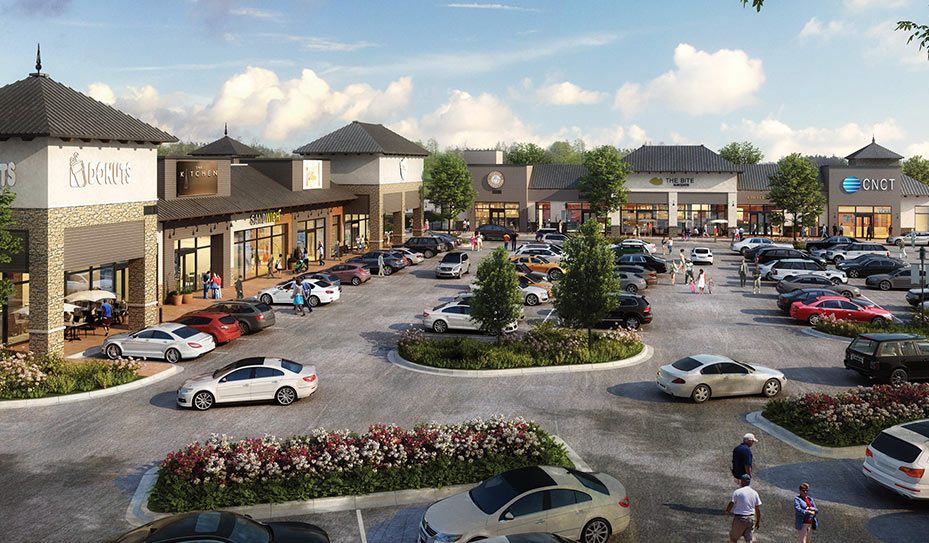
Traditional suburban-style retail center:
- Grocery Store: Full-service supermarket (40,000-60,000 sq ft)
- Big Box Retail: Possible Target, Walmart, or similar anchor
- Shops: Pharmacy, pet store, home goods, sporting goods
- Services: Bank, dry cleaner, UPS/FedEx, hair salon
- Restaurants: Chain fast-casual and sit-down restaurants
- Parking: Surface parking lots (drive-oriented but walkable)
- Design: Similar to typical strip mall but with pedestrian connections
Town Center (Downtown Character):
Walkable main street with local flavor:
- Restaurants: Local independent restaurants, cafes, breweries
- Boutiques: Clothing, gifts, specialty retail
- Entertainment: Movie theater or entertainment venue (possible)
- Services: Professional offices, fitness studios, spas
- Public Space: Plaza, fountain, gathering areas
- Events: Farmers market, concerts, community events
- Parking: On-street and structured parking, highly walkable
- Design: Main street aesthetics, outdoor dining, pedestrian priority
Urban District (Mixed-Use High-Density):
Urban-style development with vertical mix:
- Residential Above Retail: Apartments/condos above ground-floor commercial
- Offices: Professional office space for businesses
- Services: Medical, dental, professional services
- Live-Work Units: Residential units with ground-floor business space
- Density: Higher-density creating urban energy
- Walkability: Most walkable district, minimal parking
- Design: 2-4 story buildings, urban character
Phasing Strategy:
- Phase 1 (Current): Minimal commercial, residents use Madera/Fresno
- Phase 2 (2,000-3,000 homes): First Market District anchors (grocery, restaurants)
- Phase 3 (3,500-4,500 homes): Town Center development begins
- Phase 4 (5,000-6,000 homes): Urban District and expansion
- Build-Out (6,578 homes): Complete 118+ acres fully occupied
📈 Population Triggers: Commercial doesn't build "because it's time"—it builds when population supports businesses. Grocery store needs ~2,000-3,000 homes minimum (6,000-9,000 residents) to sustain sales. Restaurants need critical mass. Office buildings need local employment. This means early Riverstone buyers (2025 with 500-800 homes) wait 5-10 years for major commercial. Later buyers (2035 with 4,000+ homes) enjoy mature retail immediately. Classic early adopter trade-off: lower home prices + appreciation vs. waiting for amenities.
🛒 Retail Shopping & Stores
Riverstone's retail mix aims to capture 70-80% of residents' routine shopping needs on-campus.
Anticipated Retail Categories
Grocery & Food:
- Supermarket: Full-service grocery (Raley's, SaveMart, Vons, or similar)
- Pharmacy: CVS, Walgreens, or in-store pharmacy
- Specialty Foods: Bakery, butcher, wine shop (possible)
- Convenience Store: Quick mart for emergency items
Essential Services:
- Banking: Bank or credit union branch with ATM
- Dry Cleaner: Laundry and dry cleaning services
- UPS/FedEx Store: Shipping and printing services
- Post Office: USPS services (possible satellite location)
Personal Care:
- Hair Salon: Haircuts, styling, beauty services
- Nail Salon: Manicures, pedicures, nail care
- Barber Shop: Men's grooming services
- Spa: Massage, facials, wellness treatments
- Gym/Fitness: Commercial gym or boutique fitness studio
Retail Shops:
- Clothing: Apparel boutiques or chain stores
- Pet Store: Pet food, supplies, grooming
- Home Goods: Furniture, décor, household items
- Sporting Goods: Athletic gear and equipment
- Bookstore: Books, magazines, café (possible)
- Gift Shop: Cards, gifts, specialty items
Big Box Potential:
- Target: Possible small-format Target store
- Walmart Neighborhood: Grocery-focused Walmart
- Home Depot/Lowe's: Hardware and home improvement
- Dick's Sporting Goods: Sporting goods retailer
What You'll Find On-Campus:
✅ Daily Needs Met in Riverstone
- Groceries: Weekly shopping without leaving community
- Prescriptions: Pharmacy for medications and health items
- Banking: Deposits, cash, basic financial services
- Haircuts: Salon and barber without driving to Madera/Fresno
- Dry Cleaning: Drop-off and pick-up convenience
- Shipping: Mail packages, print documents
- Pet Supplies: Food and products for pets
- Fitness: Gym or studio (in addition to Lodge fitness center)
What You'll Still Drive to Madera/Fresno For:
- Specialty Shopping: High-end fashion, luxury goods (Fashion Fair Fresno)
- Big Box Variety: Costco, Best Buy, IKEA, specialty retailers
- Department Stores: Macy's, Nordstrom, major department stores
- Auto Services: Car dealerships, major auto repair
- Entertainment: Large movie theaters, bowling, major venues
- Healthcare Specialists: Specialists requiring hospital-affiliated clinics
Shopping Convenience Analysis:
| Shopping Type | Frequency | Riverstone Solution |
|---|---|---|
| Groceries | 1-2x weekly | On-campus supermarket (walk/bike) |
| Quick Items | Multiple times weekly | Convenience stores, pharmacy |
| Dining Out | 1-3x weekly | On-campus restaurants |
| Haircuts/Services | Monthly | On-campus salons and services |
| Specialty Shopping | Monthly or less | Fresno/Madera (10-15 min drive) |
| Bulk Shopping | Monthly | Costco/Sam's in Madera (10 min) |
🍽️ Restaurants & Dining
Riverstone's dining mix will include both chain restaurants and local independents serving all meal occasions.
Anticipated Restaurant Categories
Quick Service / Fast Food:
- Coffee Shops: Starbucks, Peet's, or local café
- Sandwich Shops: Subway, Jersey Mike's, Which Wich
- Burger Chains: In-N-Out, Five Guys, Habit Burger
- Pizza: Blaze Pizza, Pieology, or local pizzeria
- Mexican Fast-Casual: Chipotle, Qdoba, Taco Bell
- Asian Fast-Casual: Panda Express, Teriyaki bowl concepts
Fast-Casual Dining:
- California Fresh: Panera, Corner Bakery, similar concepts
- Salad/Bowls: Sweetgreen-style healthy dining
- Mediterranean: Hummus bowls, gyros, fresh concepts
- Poke/Sushi: Fast-casual poke or sushi bowls
Casual Dining:
- Italian: Olive Garden-style or local Italian restaurant
- Mexican: Sit-down Mexican restaurant and bar
- American Grill: BJ's, Chili's, TGI Friday's style
- Asian: Chinese, Japanese, Thai sit-down restaurants
- Steakhouse: Mid-tier steakhouse (Outback, LongHorn style)
Local/Independent:
- Local Restaurants: Independent chef-driven concepts
- Brewery/Gastropub: Craft beer with elevated pub food
- Wine Bar: Wine-focused with small plates
- Bakery/Café: Local bakery with breakfast and lunch
- Ice Cream/Dessert: Local ice cream or dessert shop
Dining Occasions Covered:
- Morning Coffee: Walk to Starbucks or café for coffee before work
- Quick Lunch: Fast-casual options for 30-minute lunch break
- Family Dinner: Casual dining when too tired to cook
- Date Night: Nicer restaurant for couples (some options, not fine dining)
- Weekend Brunch: Breakfast/brunch spots for leisurely weekends
- Take-Out: Pick up dinner on way home from work
Outdoor Dining & Atmosphere:
Town Center particularly emphasizes outdoor dining:
- Sidewalk Patios: Street-side dining watching pedestrians
- Plaza Dining: Tables overlooking central plaza or fountain
- Central Valley Weather: Outdoor dining 8-9 months/year (spring, fall, winter)
- Evening Ambiance: Lighting, landscaping, comfortable outdoor spaces
- Social Scene: See neighbors, community gathering feeling
What You'll Still Drive to Fresno For:
- Fine Dining: Upscale restaurants requiring reservations
- Specialty Cuisines: Ethiopian, Indian, Korean, less common foods
- Nightlife: Bars, clubs, late-night entertainment
- Events: Brewfests, food festivals, special culinary events
🍕 Dining Lifestyle Change: Typical subdivision: "Want pizza for dinner?" = 20-minute drive to Fresno, deal with traffic, find parking. Riverstone: "Want pizza for dinner?" = 5-minute walk or 2-minute drive to Market District, pick up pizza, home in 15 minutes. Or order delivery from on-campus restaurant. This convenience transforms dining from occasional treat (too much hassle) to regular option. Walking to dinner becomes date night, not just necessity.
💼 Services & Professional Offices
Beyond retail and dining, Riverstone's commercial districts will include professional services reducing trips to Madera/Fresno.
Medical & Health Services:
- Primary Care: Family doctor or general practitioner office
- Dental: General dentistry and orthodontics (possible)
- Urgent Care: Walk-in clinic for minor injuries and illness
- Pharmacy: Prescription pick-up and health consultations
- Optometry: Eye exams and glasses/contacts
- Physical Therapy: Rehab and sports medicine
- Chiropractor: Chiropractic services
- Mental Health: Counseling and therapy practices
Professional Services:
- Real Estate Offices: Local realtors serving Riverstone
- Insurance: Auto, home, life insurance agents
- Financial Services: Financial advisors, accountants
- Legal Services: Attorney offices for basic legal needs
- Veterinary: Vet clinic for pet healthcare (possible)
Personal Services:
- Fitness Studios: Yoga, Pilates, cycling, martial arts
- Tutoring Centers: Academic support for students
- Music Lessons: Music instruction studios
- Day Care: Child care facilities (possible)
- Pet Grooming: Dog grooming and boarding
Professional Office Space:
Urban District provides office space for:
- Remote Workers: Coworking or small office rental near home
- Small Businesses: Local entrepreneurs and consultants
- Professional Practices: Accountants, lawyers, consultants
- Tech Companies: Small tech firms or satellite offices
- Live-Work: Residential above office creating ultimate commute
Employment Opportunity:
Commercial development creates local jobs:
- Retail Jobs: Store clerks, cashiers, managers
- Restaurant Jobs: Servers, cooks, bartenders, managers
- Service Jobs: Hair stylists, fitness instructors, office staff
- Professional Jobs: Doctors, dentists, lawyers, accountants working on-campus
- Work-from-Home: Office space for remote workers living in Riverstone
- Estimated Employment: 1,000-2,000+ jobs at full commercial build-out
✅ Service Visits Saved
- Doctor Appointment: On-campus clinic vs. 15-min drive to Madera
- Dental Cleaning: Walk to dentist vs. drive and parking hassle
- Prescription Pick-Up: Stop by pharmacy on walk vs. separate trip
- Haircut: Weekend walk to salon vs. dedicated outing
- Veterinarian: Quick vet visit vs. stressful car ride for pet
- Fitness Class: Evening yoga studio vs. drive to gym
- Coworking Space: 5-min commute vs. home distractions
📅 Commercial Development Timeline
Understanding when commercial develops helps set realistic expectations for current and future buyers.
🗓️ Estimated Commercial Build-Out Phases
Current State (2025 - 500-800 Homes):
- Commercial: Minimal to none operational
- Shopping: Residents use Madera (8-10 min) or Fresno (15-20 min)
- Dining: External restaurants, occasional food trucks in community
- Land Status: Commercial sites identified but not yet developed
Phase 1 (2027-2030 - 2,000-3,000 Homes):
- Grocery Store: First supermarket opens (critical anchor)
- Pharmacy: Standalone or in-store pharmacy
- Quick Service: 3-5 fast-food restaurants (Starbucks, Chipotle, etc.)
- Gas Station: Convenience store with fuel (possible)
- Market District: Initial retail center development begins
Phase 2 (2030-2033 - 3,500-4,500 Homes):
- Market District Expansion: Additional shops, services, restaurants
- Casual Dining: 5-10 sit-down restaurants operational
- Services: Salon, fitness, dry cleaner, bank
- Medical: First medical/dental offices open
- Town Center Begins: Downtown-style development starts
Phase 3 (2033-2037 - 5,000-6,000 Homes):
- Town Center Mature: Main street fully activated
- Urban District: Mixed-use buildings with residential above retail
- Professional Offices: Office space for businesses and remote workers
- Entertainment: Possible movie theater or entertainment venue
- 70-80% Self-Sufficiency: Most daily needs met on-campus
Full Build-Out (2037-2042 - 6,578 Homes):
- Complete Commercial: 118+ acres fully developed and occupied
- Mature Tenants: Mix of national chains and local businesses
- Destination Character: Regional draw beyond just Riverstone residents
- Established Identity: Riverstone known as complete live-work-play community
Key Timeline Factors:
- Population Density: Businesses need customer base—development follows rooftops
- Market Conditions: Economic factors affect retail development speed
- Anchor Tenants: Grocery store triggers other businesses (co-tenancy)
- Developer Control: Tim Jones controls timing and tenant selection quality
- Flexibility: Exact timeline adjusts based on actual absorption and market
Early Buyer Considerations:
- Current Reality (2025): Buying now means 5-10 years before major commercial
- External Dependence: Early years require Madera/Fresno for all shopping
- Appreciation Opportunity: Lower prices now, value increases as amenities arrive
- Community Building: Early residents shape community culture before commercialization
- Trade-Off: Accept waiting for convenience in exchange for better pricing
⏳ Patient Investment: Commercial development is marathon, not sprint. First 1,000 homes (5-7 years) see minimal commercial. Next 2,000 homes (another 5-8 years) get basic retail. Final 3,000+ homes enjoy mature commercial. Buying at 500 homes (2025) means waiting until 2030-2035 for substantial commercial—10+ years. This isn't failure—it's reality of master-planned communities. Early buyers accept this, knowing home purchased for $450K in 2025 becomes $550K-650K by 2035 as amenities arrive, offsetting the wait.
🚶 Walkable Shopping Access
Riverstone's commercial districts are designed for pedestrian and bicycle access, not just driving.
Walkable Design Features:
✅ Pedestrian Infrastructure
- Sidewalks: Complete network connecting all homes to commercial
- Multi-Use Trails: Separated paths for walking/biking to shopping
- Crosswalks: Safe pedestrian crossings at all intersections
- Lighting: Pathway lighting for evening shopping safety
- Shade: Tree-lined streets for summer comfort
- Bike Racks: Bicycle parking at all commercial areas
- Stroller-Friendly: Wide sidewalks, curb ramps, smooth paving
- Distance: Most homes within 5-15 minute walk of commercial
Walking/Biking Times to Commercial:
| Home Location | Walking Time | Biking Time | Driving Time |
|---|---|---|---|
| Adjacent Neighborhoods | 5-8 minutes | 2-3 minutes | 1-2 minutes |
| Near Neighborhoods | 8-12 minutes | 3-5 minutes | 2-4 minutes |
| Mid-Distance | 12-18 minutes | 5-8 minutes | 4-6 minutes |
| Far Neighborhoods | 18-25 minutes | 8-12 minutes | 6-10 minutes |
Realistic Walkability Expectations:
- Quick Errands: Walking works for single items (milk, prescription pick-up)
- Leisure Shopping: Walk to browse, window shop, casual dining
- Exercise Opportunity: Walking to errands doubles as daily exercise
- Big Grocery Shop: Most will still drive for weekly $200 grocery haul
- Heavy Items: Driving practical for bulk purchases or large items
- Central Valley Heat: Summer walking less appealing (June-August 95-105°F)
- Seasonal Use: Peak walking spring/fall/winter, more driving in summer
Lifestyle Scenario Comparisons:
Typical Subdivision: Need milk → Get in car → Drive 10-15 min to store → Park → Shop → Drive home → Total: 35-45 minutes
Riverstone (Future): Need milk → Walk 8 minutes to Market District → Shop → Walk home → Total: 20-25 minutes + exercise benefit
🚶 Walkability Reality Check: Riverstone's walkability is Central Valley realistic, not San Francisco idealistic. You CAN walk to grocery, coffee, dinner—but you won't ALWAYS walk. Summer heat, large purchases, and time constraints mean driving remains important. The value isn't eliminating cars—it's creating CHOICE. Walk when pleasant and practical (morning coffee, evening stroll to restaurant). Drive when necessary (weekly grocery stock-up, summer afternoons). This flexibility is what typical subdivisions lack entirely.
🏡 Homes Near Market District
Living near commercial areas offers convenience but also considerations. Understanding proximity trade-offs helps in lot selection.
Commercial-Proximate Home Categories:
| Location Type | Lot Premium/Discount | Advantages | Considerations |
|---|---|---|---|
| Adjacent to Commercial | -$10,000 to +$5,000 | Ultimate convenience, walk everywhere | Noise, traffic, parking, lacks residential feel |
| 1-2 Blocks Away | $0 to +$5,000 | Easy walk, minimal noise, good balance | Some commercial activity awareness |
| 3-5 Blocks (Sweet Spot) | +$3,000 to +$10,000 | Walkable access, quiet residential feel | Minimal—ideal balance |
| 6-10 Blocks | $0 | Quiet, residential character | Longer walk, likely drive for errands |
Proximity Advantages:
✅ Benefits of Living Near Commercial
- Daily Convenience: Walk to grocery, pharmacy, services
- Dining Access: Evening walk to restaurants, no driving/parking
- Time Savings: Eliminate 20-40 min daily driving to external shopping
- Spontaneity: "Quick coffee run" becomes 10-minute walk, not 30-minute trip
- Exercise Integration: Errands double as daily walks
- Social Encounters: Run into neighbors while shopping
- Urban Feel: Vibrant, walkable lifestyle vs. car-dependent suburbs
Proximity Challenges:
- Noise: Commercial activity, delivery trucks, parking lot sounds
- Traffic: Increased vehicle traffic on nearby streets
- Parking Overflow: Restaurant/retail customers may park on residential streets
- Lighting: Commercial lighting at night (parking lots, signage)
- Privacy: More foot traffic, people walking by frequently
- Perception: Some buyers prefer "quiet residential" away from commercial
Optimal Distance Strategy:
Real estate analysis suggests:
- Sweet Spot: 3-6 blocks (8-15 minute walk) - Close enough for convenience, far enough for residential tranquility
- Avoid: Immediately adjacent - Commercial adjacency often discounts lots vs. premiums
- Premium: "Walking distance but buffered" - Can market walkability without downsides
- Consider: Urban vs. suburban preference - Urban-minded buyers value proximity; suburban-minded prefer distance
Mixed-Use Residential:
Urban District includes residential above commercial:
- Apartments/Condos: Living directly above shops and restaurants
- Ultimate Convenience: Elevator ride to grocery, coffee, dinner
- Urban Lifestyle: Appeals to singles, young couples, empty nesters
- Rental Income: Investment opportunity for second residence
- Trade-Offs: Smaller units, no yards, more noise, less privacy
🎯 Location Philosophy: Commercial proximity is personal preference spectrum. Urban-minded buyers (younger, walkability-focused, active lifestyle) pay premiums for 2-3 block proximity. Suburban-minded buyers (families with young kids, quiet preference, car-comfortable) prefer 6-10 blocks or further. Neither is "wrong"—it's lifestyle alignment. Visit potential lots at different times (weekday evening when commercial active, Sunday morning when quiet) to assess actual impact before deciding.
🌟 Live-Work-Play Lifestyle Benefits
Riverstone's integrated commercial creates lifestyle and financial advantages beyond convenience.
Time & Cost Savings Analysis:
| Activity | Typical Subdivision | Riverstone (Future) | Annual Savings |
|---|---|---|---|
| Grocery Shopping | 15-min drive (2x weekly) | 5-min walk/drive | 100 hours + $500 gas |
| Dining Out | 20-min drive to restaurants | Walk to on-campus dining | 75 hours + $400 gas |
| Services (haircut, etc.) | 15-20 min drive monthly | Walk or short drive | 20 hours + $200 gas |
| Quick Errands | Multiple trips weekly | Walk or combine trips | 50 hours + $300 gas |
| TOTAL ANNUAL | 245 hours driving | 40-80 hours | 165-205 hours + $1,400 gas |
Lifestyle Quality Improvements:
- Spontaneity: Dinner out becomes "let's walk to Town Center" vs. production requiring driving
- Community Connection: Running into neighbors at grocery, restaurants strengthens bonds
- Urban Experience: Walkable lifestyle without big city cost/congestion
- Health Benefits: Walking for errands adds 30-60 min daily activity
- Reduced Stress: Less time in car, less traffic frustration
- Family Time: Hours saved on errands available for family activities
- Environmental: Reduced driving lowers carbon footprint
Property Value Impact:
- Mixed-Use Premium: Homes in walkable communities command 3-8% premiums
- Appreciation Acceleration: Commercial completion triggers value increases
- Buyer Appeal: "Walk to shopping/dining" powerful marketing point
- Rental Demand: Convenience attracts quality tenants, supports rents
- Long-Term Stability: Complete communities hold value better in downturns
Financial Value Over 20 Years:
- Time Savings Value: 165-205 hours/year × 20 years = 3,300-4,100 hours saved × $35/hour = $115,500-143,500
- Gas/Vehicle Savings: $1,400/year × 20 years = $28,000
- Property Appreciation Premium: 3-8% premium on $500K home = $15,000-40,000 gain
- Total 20-Year Value: $158,500-211,500 in combined benefits
💰 Hidden Value of Walkability: Time savings from walkable commercial isn't just "convenience"—it's $115K-143K in reclaimed life hours over 20 years. Even if you don't "work" those hours, having 165-205 extra hours annually for family, hobbies, exercise, or rest has massive quality-of-life value. Plus $28K in vehicle costs avoided. Plus property appreciation premium. Walkable commercial isn't amenity—it's lifestyle investment paying dividends daily.
❓ Frequently Asked Questions
Q: Is commercial already open at Riverstone or is this all future plans?
A: As of 2025, minimal to no commercial is operational. The 118+ acres is planned and land is dedicated in master plan, but actual businesses opening requires population density (2,000-3,000+ homes). Early buyers (current) accept 5-10 year wait for commercial in exchange for lower home prices and appreciation as amenities arrive. This is normal for master-planned communities—commercial follows rooftops, not vice versa.
Q: What stores and restaurants are confirmed to come to Riverstone?
A: No specific tenants are publicly confirmed. Retailers and restaurants negotiate leases 1-3 years before opening based on population projections. Grocery stores, coffee shops, casual dining chains are highly likely (standard retail mix). Specific brands depend on market conditions and leasing negotiations. Developer Tim Jones controls tenant selection for quality but can't force businesses to commit before population supports them. Check with developer for most current information.
Q: Can I walk to commercial areas from anywhere in Riverstone?
A: Technically yes—all homes have sidewalk/trail connections to commercial districts. Practically, homes 3-8 blocks from commercial (8-15 min walk) will walk regularly. Homes 10-15+ blocks away (20+ min walk) will mostly drive. Distance tolerance varies by person, weather, and errand type. Quick coffee run? 10-min walk works. Weekly $200 grocery shop? Most drive even from 5 blocks. Walkability exists but usage depends on distance and circumstances.
Q: Will there be a Costco or big box stores in Riverstone?
A: Unlikely within Riverstone itself—Costco/Sam's Club require huge lots (15-20 acres single tenant) and massive parking. Riverstone's commercial is walkable, mixed-use design incompatible with big box format. However, Costco and Sam's Club already exist in Madera (10-15 min drive). Riverstone may have Target, Walmart Neighborhood, or home improvement (possible), but not warehouse clubs. Residents will continue using external Costco for bulk shopping—nothing wrong with this.
Q: What if the commercial doesn't develop as planned?
A: Risk exists but mitigated by several factors: (1) Land legally dedicated in master plan approved by Madera County, (2) Developer (Tim Jones) financially invested in completion, (3) 6,578 homes creates guaranteed customer base, (4) Developer controls timing—can wait for right market conditions. Worst case: Commercial develops slower than projected, but with 21,000 residents at build-out, retail is economically inevitable. Greater risk is slower timeline than never happening. Madera/Fresno remain available during development.
Q: Does living in Riverstone mean I never need to leave for shopping?
A: No—"70-80% self-sufficiency" means most DAILY needs met on-campus, not 100% needs. You'll still go to Fresno/Madera for: specialty shopping, department stores, Costco, entertainment venues, healthcare specialists, and variety beyond on-campus options. Riverstone eliminates need for daily driving (milk, dinner, haircut) but not all driving (unusual items, major purchases, specific brands). Think of it as meeting routine needs locally while accessing broader market when desired.
Q: Will commercial areas bring crime or reduce neighborhood safety?
A: Commercial activity generally increases safety through "eyes on the street"—more people around creates natural surveillance. However, any retail attracts some regional traffic from outside Riverstone. Mitigation: (1) Riverstone has HOA security and gated entries (if implemented), (2) Commercial design emphasizes visibility and lighting, (3) Police presence tends to increase with commercial activity, (4) Well-maintained, occupied commercial is safer than vacant buildings. Most master-planned communities find commercial enhances safety rather than reduces it.
Q: Can I own a business in Riverstone's commercial districts?
A: Yes, potentially. Commercial spaces will be available for lease (or possibly purchase as condos). Process: (1) Contact developer/property manager about availability, (2) Negotiate lease terms, (3) Meet tenant requirements (credit, business plan, financials), (4) Developer may have approval rights ensuring quality/fit. Living in Riverstone doesn't guarantee business approval, but being local operator with community knowledge could be advantage. Office space in Urban District particularly suited for local entrepreneurs and professionals.
Q: How does commercial development affect my property taxes or HOA fees?
A: Property taxes: Commercial increases your home's assessed value (3-8% premium for walkable access), thus higher taxes—but this reflects higher home value you benefit from at resale. HOA fees: Commercial areas pay separate commercial HOA fees, not residential fees. Your residential fees won't increase to maintain commercial areas. Commercial development actually helps by spreading infrastructure costs across more properties and generating activity that supports community amenities.
Q: What happens if I buy now and commercial still hasn't opened in 10 years?
A: You continue using Madera/Fresno as you do today—10-15 min drive for shopping. This is your current reality regardless. Difference: your home purchased for $450K in 2025 appreciates to $550K-650K+ by 2035 as Riverstone matures and commercial approaches. You "pay" for commercial wait with your time (continued driving), but you "profit" from appreciation. Later buyers pay $550K-650K in 2035 but get immediate commercial access. Early buyer advantage: better price + appreciation. Late buyer advantage: mature amenities immediately. Choose your preference.
Explore Market District Potential
Visit Riverstone's future Market District site and understand how integrated commercial will transform daily living. Discover the live-work-play lifestyle advantage.
View Site Plans See Commercial Timeline Find Homes Near Commercial❓ How Important is Walkable Shopping?
After learning about Market District plans and walkable commercial, how much does this matter to you? Is it critical? Nice bonus? Irrelevant if you're comfortable driving? Share your thoughts on how integrated retail affects your decision!
📧 Get Commercial Development Updates
Subscribe for notifications about Market District progress, new businesses opening, commercial leasing announcements, and retail development milestones. Stay informed as Riverstone's commercial vision becomes reality!
Categories
Recent Posts