Park District at Riverstone: Complete Guide to 115+ Acres of Parks, Trails & Recreation
Park District at Riverstone: Complete Guide to 115+ Acres of Parks, Trails & Recreation
Discover Riverstone's Extensive Green Space Including Neighborhood Parks, Community Parks, Sports Fields, Multi-Use Trails & Open Space
📋 Table of Contents
Riverstone dedicates 115+ acres—nearly 6% of its total 2,000+ acres—to parks, trails, sports fields, and open space. This is 2-3 times the typical master-planned community standard, creating an exceptional outdoor lifestyle impossible in conventional subdivisions. From tot lots within 5-minute walks of every home to expansive community parks with sports fields, from miles of multi-use trails to preserved natural areas, Riverstone's Park District transforms outdoor recreation from occasional activity to daily routine. This guide explores every aspect of Riverstone's park system: locations, amenities, types, accessibility, and what 115+ acres of green space means for your family's lifestyle and property values.
🌳 Park District Overview
The Park District isn't a single location—it's a comprehensive park system woven throughout Riverstone's 8 districts, ensuring every resident has immediate access to outdoor recreation.
What Makes Riverstone's Parks Exceptional:
- Total Acreage: 115+ acres dedicated to parks, trails, and recreation
- Percentage: 5.7% of total development (typical subdivisions: 2-3%)
- Distribution: Parks strategically located throughout all districts
- Variety: Neighborhood tot lots, community parks, sports fields, trails, natural areas
- Accessibility: Every home within 5-minute walk of at least one park
- Quality: Professional design, equipment, and maintenance
- Programming: Organized activities and events in parks
Park System Philosophy:
Riverstone's park strategy follows proven urban planning principles:
- Hierarchical Design: Small neighborhood parks + larger community parks + specialized sports facilities
- Walkability: Parks located for pedestrian access, not just driving
- Age Inclusivity: Facilities for toddlers through seniors
- Active & Passive: Both sports/play areas and quiet contemplation spaces
- Connected System: Trails linking parks to homes and amenities
Comparison to Typical Subdivisions:
| Feature | Typical Subdivision | Riverstone Park District |
|---|---|---|
| Total Park Acreage | 5-15 acres (small community) | 115+ acres |
| Parks Per Capita | 1-2 acres/1,000 residents | 5.5 acres/1,000 residents |
| Park Variety | 1-2 parks, similar amenities | Multiple parks, diverse offerings |
| Walking Access | Some homes 15+ min walk | All homes 5-min walk maximum |
| Trails | Minimal or none | Comprehensive trail network |
| Sports Fields | Rare | Soccer, baseball, multi-use |
| Maintenance | Varies, sometimes minimal | Professional HOA maintenance |
🌟 115 Acres Visualized: 115 acres equals approximately 87 football fields or 4,600 average residential lots. That's enough space to provide meaningful recreation for 21,000 residents (Riverstone's build-out population) with 5.5 acres per 1,000 people—exceeding National Recreation and Park Association standards (3-5 acres/1,000). This isn't token green space—it's a comprehensive park system rivaling small cities, all privately maintained through HOA for Riverstone residents.
📊 115+ Acres Breakdown
The 115+ acres of parks and recreation divide into distinct categories serving different functions.
Park Acreage by Type:
| Park Type | Approximate Acreage | Primary Use | Quantity |
|---|---|---|---|
| Neighborhood Parks | 30-40 acres | Playgrounds, tot lots, local gathering | 10-15 parks |
| Community Parks | 20-30 acres | Large events, diverse amenities, sports | 2-4 parks |
| Sports Fields | 15-25 acres | Soccer, baseball, multi-use fields | Multiple fields |
| Trails & Pathways | 10-15 acres | Walking, jogging, biking corridors | Multiple miles |
| Open Space | 20-30 acres | Natural areas, buffers, passive recreation | Distributed throughout |
Distribution Across Districts:
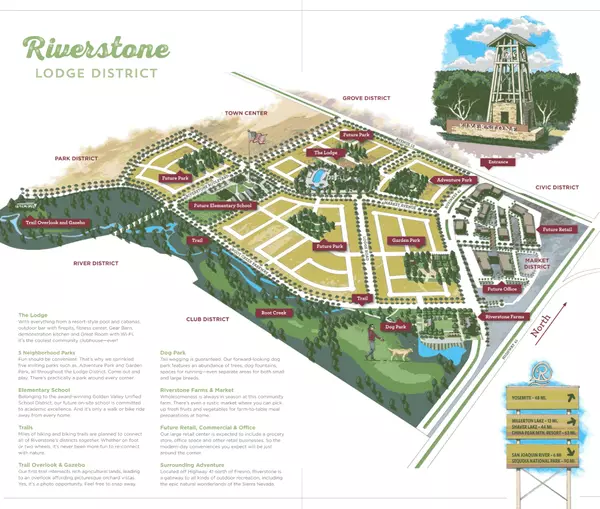
Parks are strategically distributed throughout Riverstone's 8 districts:
- Lodge District: Parks adjacent to Lodge amenities, integrated recreation
- Park District (Core): Largest concentration of community parks and fields
- Civic District: Parks near Stone Creek Elementary, school-adjacent play
- Residential Districts: Neighborhood parks distributed throughout housing areas
- Market/Town/Urban: Pocket parks and green space among commercial
- Trails: Connecting pathways linking all districts
Phasing & Development:
- Current (2025): Early neighborhood parks operational, core parks developing
- Phase 1-3 (2025-2030): Additional neighborhood parks as residential phases open
- Phase 4-6 (2030-2037): Community parks, major sports fields, trail completion
- Final Build-Out (2037-2042): Complete 115+ acre park system fully realized
🏗️ Phased Development Reality: Not all 115 acres exist today—parks are built as neighborhoods develop. Early residents enjoy less crowded parks; later residents get complete system. Riverstone opened 2020; as of 2025, perhaps 30-50 acres operational with 500-800 homes occupied. Remaining 65-85 acres will develop over 15+ years as community builds out. This is normal for master-planned communities—you're buying into the vision, not finished product.
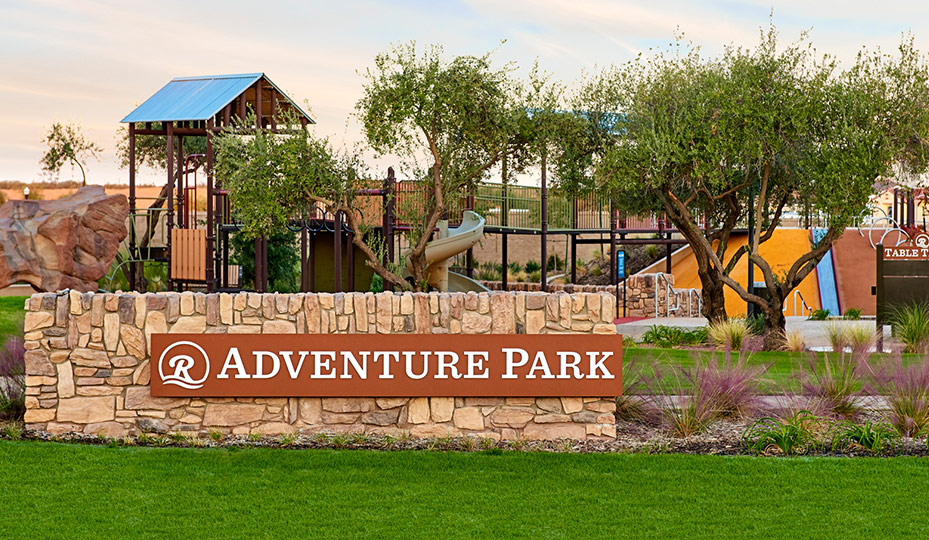
🎠 Neighborhood Parks
Neighborhood parks are small parks (1-4 acres) distributed throughout residential areas, ensuring every family has a playground within walking distance.
Neighborhood Park Features
Typical Amenities:
- Playgrounds: Age-appropriate play structures (2-5 years, 5-12 years)
- Swings: Toddler bucket swings and standard swings
- Slides: Various heights and styles
- Climbing Structures: Rock walls, rope climbs, monkey bars
- Shade Structures: Ramadas or shade sails over equipment
- Benches: Seating for parents/caregivers
- Picnic Tables: Tables for snacks and gatherings
- Open Lawn: Grass area for running, games, play
- Landscaping: Trees, shrubs, decorative plantings
- Pathways: Paved walks connecting to sidewalks
- Trash Receptacles: Waste bins throughout
- Lighting: May have pathway lighting for evening safety
Design Standards:
- Safety Surfacing: Rubber mulch or poured rubber under equipment
- Fencing: Many parks have perimeter fencing for tot safety
- ADA Accessible: Ramps and accessible equipment for all abilities
- Sight Lines: Open design for parental supervision
- Quality Equipment: Commercial-grade playground manufacturers
- Age Separation: Designated areas for different age groups
Neighborhood Park Strategy:
Riverstone's approach to neighborhood parks ensures accessibility:
- 5-Minute Walk Standard: Every home within 5-minute walk (1/4 mile) of neighborhood park
- Strategic Placement: Parks located centrally within neighborhoods
- Multiple Options: 10-15 neighborhood parks distributed across community
- Pedestrian Access: Sidewalk and trail connections from all directions
- Visibility: Parks visible from streets for safety and awareness
Typical Uses:
- Daily Play: Children's after-school and weekend play
- Parent Socializing: Caregivers meet while kids play
- Toddler Groups: Morning playdates and parent groups
- Dog Walking: Casual walks (if allowed, check rules)
- Exercise: Parents walking/jogging while kids play
- Impromptu Gatherings: Neighbors connecting casually
✅ Benefits of Neighborhood Parks
- Daily Accessibility: Kids can walk/bike independently (age-appropriate)
- Social Development: Children make neighborhood friends
- Parent Networks: Caregivers connect, building community
- Physical Activity: Easy outdoor play encourages active lifestyles
- Property Values: Homes near parks command 5-10% premiums
- Safety: Supervised, maintained spaces safer than street play
- Convenience: No driving required for daily outdoor time
🏞️ Community Parks
Community parks are larger facilities (5-15 acres) serving the entire Riverstone community with diverse amenities for all ages and activities.
Community Park Features
Typical Amenities:
- Multiple Playgrounds: Separate structures for different ages (tot lots, 5-12, teens)
- Sports Courts: Basketball, volleyball, pickleball (in addition to Lodge courts)
- Skate Features: Skate spots or small skate park (if included)
- Open Lawns: Large grass areas for sports, events, gatherings
- Picnic Areas: Multiple tables, BBQ grills, group shelters
- Restrooms: Public facilities (may be seasonal)
- Parking: Dedicated parking lots for community access
- Event Space: Amphitheater or event lawn for concerts, movies
- Fitness Stations: Outdoor exercise equipment along trails
- Water Features: Splash pad or decorative fountains (if included)
- Dog Park: Fenced off-leash dog area (if included)
- Walking Loops: Paved paths circling park for exercise
Design & Character:
- Destination Parks: Worth driving to, not just walking
- Diverse Activities: Something for everyone (kids, teens, adults, seniors)
- Event Capable: Space and infrastructure for community gatherings
- Mature Landscaping: Substantial trees, ornamental plantings
- Signature Elements: Unique features creating park identity
- Professional Design: Landscape architecture creating cohesive experience
Community Park Functions:
- Large Gatherings: Community events, holiday celebrations, concerts
- Sports & Recreation: Pickup basketball, volleyball, impromptu games
- Family Outings: Destination for picnics, birthday parties, weekend activities
- Active Recreation: Exercise, walking, jogging, outdoor fitness
- Social Hub: Meeting place for community organizations and groups
- Rentals: Pavilions/shelters may be rentable for private events
Community Parks vs. Neighborhood Parks:
| Aspect | Neighborhood Parks | Community Parks |
|---|---|---|
| Size | 1-4 acres | 5-15 acres |
| Access | 5-minute walk | 5-10 minute drive |
| Primary Users | Immediate neighbors | Entire community |
| Parking | None or minimal | Dedicated lots |
| Amenities | Playground-focused | Diverse, all ages |
| Events | Informal, small | Large community events |
| Usage | Daily, routine | Weekend, special occasions |
🎯 Two-Tier Park System: Riverstone's combination of neighborhood + community parks creates optimal park experience. Neighborhood parks serve daily needs (quick playground visit after school). Community parks serve special occasions (Saturday picnic, birthday party, community event). This hierarchy is superior to single large park far from most homes or many tiny parks lacking substantial amenities. You get convenience AND destination quality.
⚽ Sports Fields & Active Recreation
Riverstone dedicates significant acreage to sports fields supporting organized sports, leagues, and active recreation.
Sports Facilities
Field Sports:
- Soccer Fields: Full-size and youth fields for community leagues
- Baseball/Softball Diamonds: Youth fields with dugouts, backstops
- Multi-Use Fields: Flexible fields for football, lacrosse, general play
- Practice Fields: Smaller areas for team practices and drills
- Lighting: Some fields may have lighting for evening play
- Bleachers: Spectator seating at main fields
- Concessions: May have snack stands during organized seasons
Court Sports:
(Note: Courts at Lodge + community parks)
- Basketball Courts: Full and half courts throughout community
- Tennis Courts: Available at Lodge and possibly community parks
- Pickleball Courts: Dedicated courts at Lodge, possible additions
- Volleyball Courts: Sand or hard surface courts
- Multi-Sport Courts: Lined for multiple sports
Sports Programs & Leagues:
- Youth Soccer: Community leagues using Riverstone fields
- Youth Baseball/Softball: Little League or similar organizations
- Basketball: Pickup games and organized leagues
- Adult Leagues: Softball, soccer, basketball for adults
- Camps & Clinics: Summer sports camps for kids
- School Athletics: Stone Creek Elementary may use fields for PE/sports
Field Reservations & Access:
- Open Play: Fields available for informal use when not reserved
- League Priority: Organized leagues reserve fields for seasons
- HOA Coordination: HOA manages field scheduling and maintenance
- Resident Access: Riverstone residents have priority access
- Guest Use: Guests allowed when accompanying residents
Benefits of On-Site Sports Fields:
✅ Sports Field Advantages
- Convenience: No driving across town for practice and games
- Family Time: Walk to children's games, no commute
- Community Building: Neighbors on same teams, shared experiences
- Spontaneous Play: Pickup games anytime fields available
- Active Lifestyle: Easy sports access encourages participation
- Property Values: Sports facilities attract active families
- Quality Facilities: Well-maintained fields vs. run-down public parks
🚶 Trails & Multi-Use Pathways
Riverstone's trail network connects all districts, parks, and amenities, creating a walkable, bikeable community.
Trail System
Trail Types:
- Multi-Use Trails: Paved 8-10 ft wide paths for walking, jogging, biking
- Sidewalks: 5-6 ft sidewalks along all streets
- Nature Trails: Unpaved paths through preserved natural areas (if included)
- Loop Trails: Circular routes for exercise circuits
- Connector Trails: Links between neighborhoods, parks, Lodge
Trail Features:
- Total Miles: Multiple miles throughout 2,000+ acres
- Paving: Asphalt or concrete for smooth cycling and strollers
- Width: Wide enough for bidirectional traffic and passing
- Lighting: Pathway lighting along main routes
- Landscaping: Tree-lined for shade and aesthetics
- Benches: Rest stops along longer routes
- Signage: Wayfinding signs, distance markers, maps
- Crossings: Safe street crossings with crosswalks
Trail Network Connectivity:
- Homes to Parks: Trails connecting residential areas to all parks
- Homes to Lodge: Pedestrian/bike access to amenity center
- Homes to School: Safe routes to Stone Creek Elementary
- District Connections: Inter-district trails linking all 8 districts
- Future Commercial: Eventual trails to Market District, Town Center
- Complete Network: Ability to walk/bike entire community on trails
Trail Uses:
- Exercise: Walking, jogging, running for fitness
- Commuting: Biking to school, Lodge, future commercial
- Recreation: Cycling, rollerblading, casual strolls
- Dog Walking: Pets on leash using trail system
- Social Activity: Walking groups, running clubs
- Family Outings: Bike rides, wagon walks with kids
- Senior Mobility: Flat, paved trails accessible for all abilities
Trail Mileage Estimate:
Exact mileage varies, but typical master-planned community trail calculations:
- Perimeter/Loop Trail: 3-5 miles circling community
- Internal Connectors: 2-4 miles linking districts
- Park Access Trails: 1-2 miles to/from parks
- Sidewalk Network: 10-15 miles along all streets
- Total Estimated: 15-25+ miles of walkable/bikeable paths
🚴 Trail Value: Trails transform community from car-dependent to walkable. Instead of driving kids to park (even 5-minute drive requires car seat, parking, etc.), they bike on dedicated trail. Instead of gym membership 15 minutes away, you walk/jog trails from your front door. Trails add $5,000-15,000 to property values (homes on or near trails command premiums) and save $500-1,500/year in avoided gym fees and reduced driving. Over 10 years, trail access creates $50,000-150,000 in value.
🌿 Open Space & Natural Areas
Beyond active parks, Riverstone preserves significant open space for environmental benefits and passive recreation.
Open Space Functions:
- Visual Buffers: Green space separating residential from commercial areas
- Environmental Protection: Preserving natural features and habitat
- Stormwater Management: Retention basins and drainage corridors
- Passive Recreation: Nature walks, bird watching, quiet spaces
- Community Identity: Green character preventing suburban sprawl feeling
- Future Flexibility: Land available for additional amenities if needed
Types of Open Space:
- Natural Areas: Undeveloped land maintaining native vegetation
- Landscaped Buffers: Planted areas separating uses
- Entry Monuments: Landscaped gateway areas at entrances
- Street Medians: Center landscaping on boulevards
- Parkways: Landscaped strips along main roads
- HOA Common Areas: Maintained green space throughout
Open Space Benefits:
🌳 Environmental & Quality of Life
- Air Quality: Vegetation improves air, reduces pollution
- Temperature Moderation: Trees and grass reduce heat island effect
- Wildlife Habitat: Preserved areas support birds and beneficial species
- Visual Appeal: Green space creates attractive community character
- Mental Health: Access to nature reduces stress, improves wellbeing
- Property Values: Green communities command higher prices
- Community Pride: Extensive open space creates prestige
🏡 Homes Adjacent to Parks
Living near parks offers advantages but also considerations. Understanding park proximity helps in lot selection.
Park-Adjacent Lot Categories:
| Lot Type | Typical Premium | Advantages | Considerations |
|---|---|---|---|
| Backs to Park | $5,000-$15,000 | Open views, no rear neighbors, playground access | Noise from play, lack of privacy, foot traffic |
| Across Street | $3,000-$8,000 | Park views, easy access, some buffer | Street to cross, parking challenges during events |
| 1-2 Blocks Away | $0-$3,000 | Easy walk, noise buffer, residential feel | Minimal if any premium |
| 3-5 Min Walk | $0 | Park accessible, quiet residential | Standard pricing, no premium |
Advantages of Park-Proximate Living:
✅ Benefits of Living Near Parks
- Daily Access: Kids can walk/bike to playground independently
- Expanded Yard: Park functions as extension of backyard
- Open Views: No rear neighbors, visual openness
- Convenience: Spontaneous park visits without planning
- Active Lifestyle: Proximity encourages regular use
- Social Connection: Meet neighbors at nearby park
- Property Value: Park proximity adds 5-10% resale premium
Challenges & Trade-Offs:
- Noise: Children's play, weekend events, sports games create activity noise
- Privacy: People walking by, views into backyard from park
- Parking: Events may bring temporary parking overflow
- Foot Traffic: Trails adjacent to home increase pedestrian activity
- Lighting: Park lighting at night may affect homes (if field lights present)
- Maintenance: Park equipment noise (lawn mowers, leaf blowers) during upkeep
Optimal Park Proximity:
Real estate analysis suggests the "sweet spot":
- Ideal: 1-3 blocks (2-5 minute walk) - Close enough for easy access, far enough to avoid noise
- Good: Backs to park with buffer - 20-30 ft setback reduces noise while maintaining views
- Premium: Corner lot near park - Larger yard, park access, less direct adjacency
- Avoid: Directly adjacent to active areas - Playgrounds, sports courts create most noise
🎯 Park Lot Strategy: "Near but not too near" maximizes value. Homes 1-3 blocks from parks get convenience and appreciation without noise downsides. Immediate adjacency works for buyers who love activity and see park as extension of yard. For those wanting quiet, 3-5 minute walk provides access without impact. Visit potential lots at different times (weekend afternoon, evening, weekday) to assess actual noise and activity before committing.
🌟 Benefits of Park-Rich Living
Riverstone's 115+ acres of parks create lifestyle and financial benefits beyond recreation.
Health & Wellness Impact:
- Increased Physical Activity: Easy park access correlates with 30-50% more exercise
- Childhood Development: Outdoor play promotes physical, social, cognitive growth
- Mental Health: Nature access reduces stress, anxiety, depression by 20-30%
- Family Bonding: Park outings create shared experiences and memories
- Community Connection: Parks facilitate neighbor interactions and friendships
- Reduced Screen Time: Engaging parks draw kids outdoors vs. devices
Property Value & Investment:
- Premium Pricing: Homes in park-rich communities command 5-15% higher prices
- Faster Sales: Parks increase buyer appeal, reducing days on market
- Value Stability: Parks protect values during downturns
- Appreciation Advantage: Park communities appreciate 1-2% faster annually
- Rental Demand: Parks attract family tenants, support rental values
- Competitive Differentiation: 115 acres separates Riverstone from competitors
Financial Comparisons:
| Benefit | Annual Savings/Value | 10-Year Impact |
|---|---|---|
| Recreation Fees Avoided | $500-1,500 | $5,000-15,000 |
| Sports League Savings | $300-800 | $3,000-8,000 |
| Reduced Driving | $200-500 | $2,000-5,000 |
| Property Appreciation Premium | $2,000-5,000 | $20,000-50,000 |
| TOTAL VALUE | $3,000-7,800 | $30,000-78,000 |
Lifestyle Quality Improvements:
- Spontaneity: "Let's go to the park" happens easily vs. planning expedition
- Independence: Kids gain freedom biking to parks safely
- Community Events: Parks host gatherings strengthening social bonds
- Outdoor Living: Parks extend living space beyond home's walls
- Seasons Enjoyment: Parks beautiful year-round (spring blooms, fall colors)
- Pride of Place: Extensive parks create prestige and belonging
❓ Frequently Asked Questions
Q: Are all 115+ acres of parks already built, or is this a future projection?
A: Future projection. As of 2025 with 500-800 homes occupied (of 6,578 planned), perhaps 30-50 acres of parks are operational. Remaining parks will develop as neighborhoods build out over 15-20 years. This is normal for master-planned communities. You're buying into the vision with confidence it will be completed (master plan approved, acreage dedicated, HOA funded through fees).
Q: Do I pay extra for parks beyond HOA fees?
A: No. Park maintenance, landscaping, equipment replacement, and operation are included in HOA fees ($200-300/month range). Unlike public parks requiring tax funding, Riverstone's parks are privately maintained through mandatory HOA participation. You're already paying for parks—use them!
Q: Can non-residents use Riverstone's parks?
A: Policies vary. Some parks may be gated/restricted to residents only. Others may be accessible to public but designed/maintained for resident benefit. Check current HOA rules. Generally, residents can bring guests, but parks aren't intended as public facilities for surrounding areas. This exclusivity is part of what you're paying for.
Q: Are dogs allowed in parks? Is there a dog park?
A: Check current rules, as policies vary. Many communities allow leashed dogs on trails but prohibit them from playground areas. Dedicated dog park may be included in community parks. HOA rules will specify leash requirements, waste cleanup, and restricted areas. Verify pet policies before purchasing if important to you.
Q: What if I don't have kids—do parks still matter?
A: Yes, for multiple reasons: (1) Parks aren't just playgrounds—trails, sports fields, open space benefit all ages, (2) Property values benefit from parks even if you don't use them personally, (3) Resale appeal—future buyers value parks, (4) Exercise and wellness—trails and fields support active lifestyles, (5) Guests and visitors—parks create destination amenities when family visits. Parks serve everyone, not just families with young children.
Q: How is park maintenance funded and ensured?
A: HOA fees fund professional landscape maintenance contracts covering mowing, irrigation, equipment upkeep, trash removal, and repairs. Developer (Tim Jones) sets standards; HOA enforces ongoing maintenance. Professionally managed communities maintain parks better than municipal parks dependent on fluctuating city budgets. Your HOA fees guarantee consistent upkeep protecting your investment.
Q: Will parks get too crowded as Riverstone builds out to 6,578 homes?
A: 115 acres sized for full build-out population (21,000 residents). At 5.5 acres per 1,000 residents, this exceeds standards and provides adequate capacity. Some parks will be busier (weekend afternoons at community parks), others remain quiet (weekday mornings at neighborhood parks). Multiple parks distribute usage, preventing overcrowding. Currently less crowded; will feel fuller but was designed for ultimate density.
Q: Can I reserve park facilities for private events?
A: Depends on park type. Community park pavilions/shelters may be reservable for birthday parties, family reunions, etc. with nominal fees ($50-200 typical). Neighborhood parks generally first-come, first-served. Sports fields may require reservations during league seasons. Contact HOA for current reservation policies, fees, and procedures. Private event use is common perk of HOA membership.
Q: What safety measures are in place at parks?
A: Safety features include: (1) Equipment meeting ASTM safety standards, (2) Rubber mulch or poured surfaces under play structures, (3) Fencing around tot areas (many parks), (4) Pathway lighting for evening visibility, (5) Open sight lines for parental supervision, (6) Regular equipment inspections and maintenance, (7) Security cameras in some parks (check policies). HOA enforces rules protecting all users. However, parental supervision of children remains essential.
Q: How does Riverstone's 115 acres compare to other communities?
A: Significantly above average. Typical subdivisions: 1-2 acres per 1,000 residents. Riverstone: 5.5 acres per 1,000—nearly 3x typical. Comparable communities: Clovis developments average 2-3 acres/1,000. Bay Area master-planned communities: 3-4 acres/1,000. Riverstone's 115 acres rivals small cities' entire park systems—but privately maintained and exclusively for 6,578 homes vs. serving general public. Exceptional by any standard.
Experience Riverstone's Parks
Tour Riverstone's park system to see the playgrounds, sports fields, trails, and open space that make this community exceptional for outdoor living and active lifestyles.
Schedule Park Tour View Park Map See Park-Adjacent Homes❓ How Would You Use Riverstone's Parks?
After learning about 115+ acres of parks, trails, and sports fields, how do you envision using them? Daily playground visits with kids? Weekend sports on fields? Morning trail walks? Picnics in community parks? Share how extensive park access would enhance your lifestyle!
📧 Get Park & Recreation Updates
Subscribe for notifications about new park openings, trail expansions, sports programming, and outdoor events. Stay connected to Riverstone's park system!
Categories
Recent Posts