Town Center at Riverstone: Complete Guide to Downtown Main Street, Dining & Entertainment
Town Center at Riverstone: Complete Guide to Downtown Main Street, Dining & Entertainment
Discover Riverstone's Walkable Downtown Featuring Local Restaurants, Boutique Shops, Public Plaza, Events & Vibrant Community Heart
📋 Table of Contents
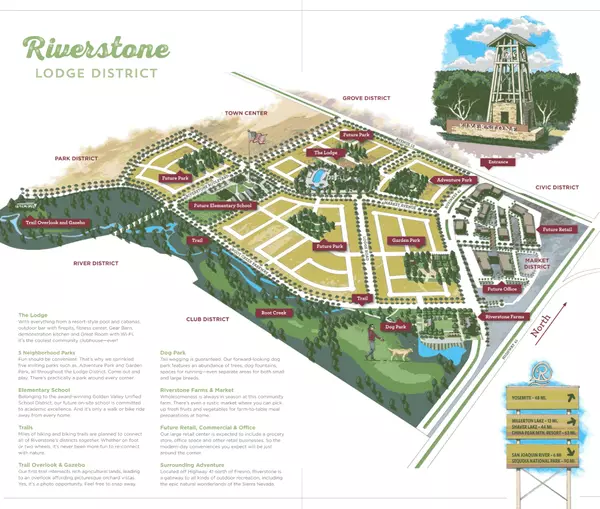
The Town Center is Riverstone's downtown heart—a walkable main street with local restaurants, boutique shops, entertainment venues, and public plaza creating vibrant community gathering place. Unlike the Market District's suburban retail format, Town Center emphasizes pedestrian experience, outdoor dining, independent businesses, and urban character reminiscent of charming California downtowns but scaled for Riverstone's 21,000 residents. This guide explores every aspect of Town Center: main street design, dining scene, boutique shopping, entertainment options, public plaza, community events, mixed-use residential, development timeline, and how this downtown creates lifestyle impossible in typical subdivisions.
🏛️ Town Center Overview
Town Center is one of three commercial districts at Riverstone (along with Market District and Urban District), focused on creating authentic downtown experience.
What is Town Center?
Town Center encompasses Riverstone's pedestrian-oriented downtown:
- Main Street: Walkable street(s) with retail, dining, services
- Public Plaza: Central gathering space with fountain, seating, events
- Local Restaurants: Independent chef-driven dining vs. chains
- Boutique Shops: Clothing, gifts, specialty retail
- Entertainment: Possible movie theater, brewery, live music venues
- Mixed-Use: Residential apartments/condos above street-level retail
- Event Space: Farmers market, concerts, festivals, community gatherings
Town Center vs. Market District:
| Aspect | Market District | Town Center |
|---|---|---|
| Character | Suburban strip mall | Downtown main street |
| Businesses | National chains (Starbucks, Chipotle) | Local independents preferred |
| Parking | Surface lots, drive-oriented | On-street, behind buildings, walk-first |
| Design | Functional, convenience-focused | Architectural detail, charm, aesthetics |
| Dining | Fast-casual and chains | Sit-down restaurants, outdoor patios |
| Experience | In-and-out efficiency | Strolling, lingering, socializing |
| Events | Minimal | Regular programming (markets, concerts) |
Town Center Design Philosophy:
Town Center follows new urbanist principles:
- Pedestrian Priority: Designed for walking first, driving second
- Human Scale: 2-3 story buildings creating intimate feel vs. big-box warehouses
- Active Sidewalks: Continuous retail frontage, outdoor seating, window displays
- Public Realm: Plazas, fountains, art, trees prioritizing public space
- Mixed-Use: Residential above retail creating 24/7 activity
- Community Identity: Unique to Riverstone vs. generic anywhere-USA retail
🏘️ Downtown Vision: Town Center aims to recreate what California towns lost—walkable downtown where you can dine, shop, meet friends, attend events all on foot. Think downtown Clovis Old Town, downtown Fresno Tower District, or Carmel-by-the-Sea scaled to Riverstone. Not trying to be Fresno (regional city)—creating Riverstone's own downtown at appropriate scale for 6,578-home community. This is aspiration; reality depends on execution and market absorption over 10-15 years.
🏗️ Main Street Design & Character
Town Center's physical design creates walkable, engaging downtown experience through careful planning and architectural detail.
Main Street Design Elements
Street Configuration:
- Main Street(s): Primary pedestrian-oriented streets 1-3 blocks long
- Narrow Streets: 2 lanes + on-street parking slows traffic, prioritizes pedestrians
- Wide Sidewalks: 10-15 ft sidewalks accommodate walking, outdoor dining, window shopping
- Street Trees: Tree canopy providing shade and visual appeal
- Street Furniture: Benches, bike racks, waste receptacles, lighting
- Crosswalks: Enhanced pedestrian crossings, possibly raised/textured
Building Design:
- Height: 2-3 stories (retail ground floor, residential/office above)
- Zero Setback: Buildings at sidewalk edge creating street wall
- Large Windows: Storefronts with display windows and visibility
- Awnings/Canopies: Weather protection and visual interest
- Upper Balconies: Residential units with balconies overlooking street
- Architectural Detail: Varied facades, materials, colors creating visual interest
- Historical References: California mission, craftsman, or contemporary design
Public Amenities:
- Lighting: Pedestrian-scale street lights, decorative fixtures
- Landscaping: Planters, hanging baskets, seasonal flowers
- Public Art: Sculptures, murals, installations
- Wayfinding: Directional signs, maps, business directories
- Wi-Fi: Possible public wireless in plaza/main street areas
Parking Strategy:
Town Center balances parking needs with pedestrian priority:
- On-Street Parking: Parallel or angled parking along main street (buffers pedestrians from traffic)
- Rear Parking: Surface lots behind buildings accessible from side streets
- Structured Parking: Possible parking garage wrapped by retail/residential
- Shared Parking: Same spaces serve lunch crowd, evening diners, daytime shoppers
- Pedestrian Connections: Walkways connecting rear parking to main street
- Validation: Restaurants/shops may validate parking
Walkability Features:
✅ Pedestrian-Friendly Design
- Complete Sidewalks: Continuous pedestrian network throughout Town Center
- ADA Accessible: Ramps, level surfaces, accessible entries
- Weather Protection: Awnings, canopies, tree shade for comfort
- Safe Crossings: Marked crosswalks, possibly traffic signals or stop signs
- Evening Safety: Bright lighting, activity creating "eyes on street"
- Seating: Abundant benches for resting during strolls
- Bike Friendly: Bike lanes or shared streets, plentiful bike parking
Architectural Standards:
Developer (Tim Jones) likely enforces design guidelines ensuring quality:
- Design Review: Architectural approval required for all buildings
- Material Quality: Stucco, brick, stone vs. cheap metal siding
- Signage Standards: Tasteful signs vs. garish plastic
- Outdoor Dining: Encouragement of sidewalk cafés and patios
- Lighting Standards: Warm, inviting lighting vs. harsh fluorescents
- Cohesive Character: Buildings complement each other while having individual identity
🏛️ Design vs. Reality: These design aspirations are likely based on master plan renderings and comparable developments. Actual execution depends on market conditions, developer budget, tenant requirements, and economic feasibility. Best case: charming, detailed main street rivaling established downtowns. Worst case: generic "lifestyle center" with fake historical facades. Tim Jones's track record and long-term ownership stake suggest quality execution, but verify through site visits as development progresses. Renderings are vision; reality may compromise.
🍽️ Restaurants & Dining Scene
Town Center emphasizes locally-owned restaurants and upscale dining vs. Market District's chains and fast-casual.
Anticipated Restaurant Mix
Local Independent Restaurants:
- Farm-to-Table: California cuisine featuring local ingredients
- Chef-Driven: Restaurants with culinary personalities and distinct menus
- Ethnic Cuisines: Italian, Mexican, Asian, Mediterranean operated by local owners
- Steakhouse: Upscale steakhouse or chophouse
- Seafood: Fresh seafood restaurant (Central Valley rare find)
- Fusion Concepts: Creative combinations (California-Asian, New American)
Casual Upscale:
- Pizzeria: Neapolitan-style or California artisan pizza
- Gastropub: Elevated pub food with craft cocktails
- Bistro: French-inspired bistro with wine focus
- Tapas/Small Plates: Spanish or eclectic small plates concept
- Sushi Bar: Quality sushi and Japanese cuisine
Cafés & Light Dining:
- Coffee House: Local roaster with café atmosphere (vs. Starbucks chain)
- Bakery/Café: Artisan bakery with breakfast and lunch
- Ice Cream/Gelato: Premium ice cream or gelato shop
- Juice Bar: Fresh juice, smoothies, açai bowls
- Wine Bar: Wine-focused with charcuterie and small plates
Brewery/Distillery:
- Craft Brewery: Local brewery with taproom and food
- Brewpub: Restaurant with on-site beer brewing
- Distillery: Craft spirits with cocktail bar (possible)
- Tasting Room: Wine tasting featuring California wines
Outdoor Dining Emphasis:
Town Center maximizes Central Valley weather (8-9 months outdoor-friendly):
- Sidewalk Cafés: Tables directly on sidewalk with street views
- Front Patios: Dedicated patio areas with planters/fencing
- Plaza Dining: Restaurants fronting central plaza with outdoor seating
- Rear Courtyards: Hidden patio spaces behind buildings
- Heating: Outdoor heaters extending season into cooler months
- Misters: Misting systems for summer comfort (though midday summer still hot)
- Shade: Umbrellas, awnings, trees providing sun protection
Dining Experience:
Town Center creates different dining atmosphere than Market District:
- Leisurely Pace: Sit-down service, longer meals, social experience
- Date Night Destination: Upscale enough for special occasions
- People Watching: Sidewalk dining with pedestrian traffic
- Bar Scene: Cocktail bars and craft beer creating nightlife
- Weekend Brunch: Brunch culture with outdoor seating
- Food Culture: Local food scene identity vs. generic chains
Price Point Expectations:
| Dining Type | Avg Check per Person | Occasion |
|---|---|---|
| Coffee/Café | $5-12 | Morning coffee, casual meet-up |
| Casual Lunch | $12-20 | Weekday lunch, quick bite |
| Casual Dinner | $15-30 | Family dinner, friends gathering |
| Upscale Casual | $25-45 | Date night, celebration |
| Fine Dining | $50-80+ | Special occasions (if available) |
🍷 Local vs. Chain Dining: Town Center's "local restaurant focus" is aspiration—reality depends on market. Local restaurateurs need population density and income to support independent concepts. Chain restaurants (Olive Garden, BJ's) have marketing budgets and brand recognition making lease negotiations easier. Likely outcome: mix of 60% local/40% chain, or initially more chains with locals emerging as community matures. True "local food scene" takes 10-15 years and food culture development. Be realistic about timeline—early Town Center (2032-2035) may look more chain-heavy than independent-rich.
🛍️ Boutiques & Retail Shops
Town Center retail emphasizes boutiques and specialty shops vs. Market District's convenience-oriented chains.
Anticipated Retail Categories:
Boutique Shopping Mix
Fashion & Apparel:
- Women's Boutique: Contemporary women's clothing and accessories
- Men's Store: Men's casual and business attire
- Children's Boutique: Upscale kids clothing and toys
- Shoe Store: Footwear boutique vs. chain shoe stores
- Jewelry: Local jeweler with custom design services
- Accessories: Handbags, scarves, sunglasses, etc.
Home & Gift:
- Home Décor: Furniture, accents, design services
- Gift Shop: Cards, candles, unique gifts
- Kitchen Store: Gourmet kitchen tools and gadgets
- Bookstore: Independent bookstore with café (aspirational)
- Art Gallery: Local art sales and exhibitions
- Antiques/Vintage: Curated antiques or vintage items
Specialty Retail:
- Wine Shop: California wines and tastings
- Bike Shop: Bicycles, service, accessories
- Outdoor Gear: Camping, hiking equipment
- Pet Boutique: Upscale pet supplies and grooming
- Music Store: Instruments, lessons, sheet music
- Craft/Hobby: Art supplies, crafting materials
Services:
- Salon/Spa: Upscale hair, nails, skincare
- Fitness Studio: Boutique fitness (yoga, Pilates, barre)
- Photography: Portrait and family photography studio
- Event Planning: Wedding and party planning services
Shopping Experience:
Town Center retail differs from big-box and online shopping:
- Curated Selection: Owner-selected merchandise vs. mass market inventory
- Personal Service: Knowledgeable staff, relationship-building
- Local Products: California-made, artisan, small-batch goods
- Window Shopping: Displays designed to attract pedestrians
- Browsing Culture: Leisurely shopping vs. quick online orders
- Discovery: Finding unique items not available at malls or Amazon
Competitive Reality:
Town Center boutiques compete with multiple alternatives:
- Online Shopping: Amazon, direct-to-consumer brands
- Fashion Fair Mall: Department stores and chain retailers (20 min Fresno)
- Big Box: Target, Walmart for commodity items
- Outlet Shopping: Tulare outlet mall (35 min drive)
- Why Shop Local? Convenience, experience, supporting community, unique finds
Retail Success Factors:
- Population Density: Boutiques need wealthy, walkable customer base (5,000+ homes minimum)
- Income Levels: Riverstone demographics ($400K-$750K+ homes) support upscale retail
- Experience Economy: People pay for shopping experience vs. just products
- Community Loyalty: "Shop local" culture must develop over time
- Tourism/Regional Draw: Some businesses also need outside visitors
🛍️ Boutique Viability: Independent boutiques are challenging businesses—60% fail within 5 years. Town Center's success depends on: (1) Sufficient population (4,000-6,000 homes minimum), (2) Community culture supporting local retail, (3) Experienced retailers with business acumen, (4) Reasonable rents allowing profitability. Don't expect boutique abundance immediately—this develops slowly. Early Town Center (2032-2035) may have 5-10 boutiques; mature Town Center (2037-2040) might support 20-30. Temper expectations with retail reality.
🎭 Entertainment & Nightlife
Town Center may include entertainment venues creating evening activity and weekend destinations.
Potential Entertainment Venues:
- Movie Theater: 6-12 screen cinema (possibly boutique theater with luxury seating)
- Live Music Venue: Small concert hall or club for local/regional acts
- Comedy Club: Stand-up comedy venue (possible)
- Bowling/Entertainment: Boutique bowling or games venue
- Performance Space: Community theater or performing arts center
- Event Hall: Rentable space for weddings, parties, conferences
Nightlife Options:
Town Center creates evening activity vs. dark suburban streets:
- Craft Brewery Taproom: Beer-focused gathering spot
- Wine Bar: Wine tasting and small plates
- Cocktail Bar: Upscale cocktail lounge
- Sports Bar: TVs, games, casual bar food
- Live Music: Restaurants/bars with musicians on weekends
- Outdoor Plaza: Evening strolling and people watching
Entertainment Timeline & Reality:
Entertainment venues require substantial population:
- Movie Theater: Needs 15,000-20,000 population (4,500-6,000 homes) to support
- Live Venues: Smaller spaces viable around 3,500-4,500 homes
- Bars/Nightlife: Can start with mature restaurant scene (3,000-4,000 homes)
- Competition: Fresno entertainment 15-20 min away creates tough competition
- Likelihood: Some nightlife probable; major entertainment (theater, large venues) less certain
Family Entertainment:
Beyond adult nightlife, family-friendly entertainment:
- Ice Cream Social: Evening ice cream runs to Town Center
- Street Performers: Musicians, artists in plaza on weekends
- Outdoor Movies: Seasonal movie nights in plaza
- Game Stores: Board game café or card shop
- Arcades: Family entertainment center (possible)
🎬 Entertainment Reality Check: Movie theaters are struggling industry—streaming killed many cinemas. Town Center movie theater is aspirational, not guaranteed. More likely: boutique cinema with luxury recliners, food service, niche programming vs. 18-screen megaplex. Or no cinema at all, with residents driving to Fresno for movies. Entertainment venue success depends on population density and competition from Fresno. Expect modest entertainment options (bars, small music venue) rather than major regional draw (concert hall, large theater).
⛲ Public Plaza & Gathering Spaces
Town Center's public plaza serves as community heart—gathering place for events, socializing, and civic life.
Plaza Design Elements
Physical Features:
- Central Location: Plaza at Town Center intersection or terminus
- Size: 0.5-2 acres of public open space
- Fountain: Central fountain or water feature as focal point
- Seating: Benches, seat walls, movable chairs
- Lawn Area: Small grass areas for sitting or activities
- Paving: Decorative pavers creating visual interest
- Landscaping: Trees, planters, seasonal flowers
- Lighting: Decorative lighting for evening ambiance
Amenities:
- Stage/Bandstand: Small performance stage for music, events
- Public Art: Sculptures, installations creating identity
- Kiosks: Information board, community announcements
- Wi-Fi: Free public wireless
- Shade Structures: Pergolas or sail shades for sun protection
- Restrooms: Public facilities nearby (or in buildings fronting plaza)
Plaza Functions:
Public plaza serves multiple community purposes:
- Daily Gathering: Lunch breaks, coffee meet-ups, people watching
- Events: Farmers markets, concerts, festivals (see next section)
- Civic Space: Community meetings, political gatherings, celebrations
- Children's Play: Kids running around fountain, informal play
- Photography: Weddings, portraits using fountain/landscaping as backdrop
- Relaxation: Reading, working remotely, enjoying outdoors
Restaurant Integration:
Plaza designed to support dining businesses:
- Plaza-Fronting Restaurants: Patios directly on plaza
- Visual Connection: Diners view fountain and plaza activity
- Foot Traffic: Plaza visitors become restaurant customers
- Takeout Option: Get food, eat at plaza seating
- Synergy: Restaurants benefit from plaza; plaza benefits from restaurant activity
Comparable Examples:
Town Center plaza similar to:
- Downtown Clovis Old Town: Small-town main street plaza
- The District at Tustin Legacy: Master-planned downtown with plaza
- Santana Row (San Jose): Upscale lifestyle center with public spaces
- European Town Square: Traditional gathering place adapted for California
⛲ Plaza Value: Public plaza costs developer money (land used for plaza can't be leased to businesses) but creates community value. Well-designed plazas become community identity—"meet you at the fountain," kids' memories of summer evenings, proposal locations. Plaza distinguishes Town Center from generic strip malls. However, plaza success depends on programming and activation—empty plaza is wasted space. Requires ongoing investment in events, maintenance, management. This is where developer's long-term commitment matters—Tim Jones maintaining plaza quality over decades vs. selling to investor who neglects it.
📅 Events & Programming
Town Center plaza and streets host regular programming creating vibrant community calendar.
🗓️ Potential Event Calendar
Weekly Events:
- Farmers Market: Saturday mornings featuring local produce, vendors, food trucks
- Food Truck Nights: Weekly rotation of food trucks in plaza
- Live Music: Friday/Saturday evening musicians in plaza
- Yoga in Park: Saturday morning community yoga classes
Monthly Events:
- Art Walk: First Friday art gallery openings and sidewalk art
- Classic Car Show: Monthly vintage car displays
- Outdoor Movies: Summer movie nights in plaza
- Community Meetings: Town halls, HOA updates, civic gatherings
Seasonal/Annual Events:
- Summer Concert Series: Weekly concerts June-August
- Oktoberfest: Beer festival in fall
- Holiday Events: Tree lighting, Santa visits, caroling
- Spring Festival: Easter egg hunt, spring celebration
- Fourth of July: Parade, BBQ, fireworks viewing
- Halloween: Trick-or-treating, costume contest
- Wine Tasting: California wine festival
- Food & Wine: Culinary events showcasing local restaurants
Event Programming Benefits:
- Community Building: Regular gatherings strengthen neighbor bonds
- Business Support: Events drive traffic to restaurants and shops
- Activation: Programming ensures plaza used, not empty
- Identity Creation: Annual events become Riverstone traditions
- Regional Draw: Quality events attract visitors from Madera/Fresno
- Family Activities: Free/low-cost entertainment for residents
Event Management:
Programming requires investment and organization:
- HOA/Developer Funding: Events funded through HOA fees or developer
- Event Coordinator: Staff position managing programming
- Vendor Relationships: Securing farmers, food trucks, entertainers
- Permits & Insurance: Legal requirements for public events
- Marketing: Promoting events to residents and region
- Logistics: Setup, cleanup, parking, security for each event
Event Success Factors:
- Population Density: Need 2,000-3,000+ homes to support weekly farmers market
- Volunteer Culture: Community participation in planning and execution
- Business Participation: Restaurants and shops sponsoring or participating
- Weather: Central Valley heat limits summer daytime events (evening focus)
- Competition: Fresno/Madera events compete for attendance
🎪 Programming Reality: Event calendars look great on paper but require sustained effort. Many master-planned communities start strong—grand opening festivals, inaugural farmers markets—then programming fades as developer focus shifts or HOA cuts budgets. Successful event programming needs: (1) Dedicated funding (HOA line item, not discretionary), (2) Professional management (paid coordinator, not just volunteers), (3) Business buy-in (restaurants participating, sponsorships), (4) Community culture (residents actually attending). This develops over 5-10 years, not overnight. Early Town Center may have monthly events; mature Town Center could rival established downtowns' weekly calendars.
🏢 Mixed-Use Residential
Town Center includes residential units above retail—apartments and condos creating live-work-play integration.
Mixed-Use Building Configuration:
- Ground Floor: Retail shops, restaurants, services facing street
- Upper Floors (2-3): Residential apartments or condos
- Separate Entries: Residential entry distinct from retail
- Parking: Underground or rear parking for residents
- Design: Buildings creating street wall with varied facades
Residential Unit Types:
| Unit Type | Size Range | Target Market | Est. Price/Rent |
|---|---|---|---|
| Studio | 400-600 sq ft | Singles, students, remote workers | $1,200-1,800/mo rent |
| 1 Bedroom | 600-900 sq ft | Singles, couples, young professionals | $1,500-2,200/mo rent |
| 2 Bedroom | 900-1,200 sq ft | Couples, small families, roommates | $1,800-2,800/mo rent or $300K-450K purchase |
| 3 Bedroom | 1,200-1,500 sq ft | Families, multi-generational | $2,200-3,200/mo rent or $350K-500K purchase |
Mixed-Use Lifestyle:
Living above Town Center offers unique advantages:
- Ultimate Walkability: Elevator ride to coffee, dinner, shopping
- No Yard Maintenance: Condo living vs. single-family house
- Urban Experience: City-style living in suburban setting
- Activity & Energy: Vibrant street life below
- Lock-and-Leave: Secure building, easy to travel
- Diverse Demographics: Singles, couples, downsizers, seniors
Mixed-Use Trade-Offs:
- Noise: Restaurant/bar activity below, street sounds
- Privacy: Less private than detached home
- No Yard: Limited outdoor space (balcony only)
- Parking: Structured or assigned vs. garage at home
- HOA Fees: Condo fees in addition to Riverstone HOA
- Size: Smaller units than single-family homes
Who Lives Above Town Center:
- Young Professionals: 25-35 year olds valuing walkability and activity
- Empty Nesters: Downsizing from larger homes, want low maintenance
- Seniors: Active seniors wanting walkable lifestyle without yard work
- Remote Workers: Work-from-home professionals with downstairs coffee shop office
- Second Residents: Part-time residents or investment properties
- Urban Transplants: Bay Area/coastal relocators wanting urban feel
🏢 Mixed-Use Market: Mixed-use residential above retail is harder sell in Central Valley than coastal California. Car culture and land abundance make single-family homes dominant. However, changing demographics (aging boomers, remote workers, younger urban-preferring buyers) create niche market. Mixed-use appeals to 5-15% of market—small but viable. Expect 50-200 mixed-use units in Town Center vs. 6,578 single-family homes in broader Riverstone. These serve specific market segment adding diversity to community.
📅 Development Timeline
Town Center develops later than Market District—requires larger population to support local businesses and entertainment.
Phased Development Timeline:
| Phase | Timeline | Homes Occupied | Town Center Status |
|---|---|---|---|
| Current (2025) | Now | 500-800 homes | Land identified, no development |
| Early Market (2027-2030) | 2-5 years | 2,000-3,000 homes | Market District begins, Town Center still future |
| Town Center Begins (2032-2035) | 7-10 years | 3,500-4,500 homes | First Town Center buildings, restaurants opening |
| Active Development (2035-2038) | 10-13 years | 5,000-6,000 homes | Plaza complete, main street activated, multiple businesses |
| Mature Town Center (2038-2042) | 13-17 years | 6,000-6,578 homes | Full build-out, established downtown character |
Why Town Center Develops Last:
- Population Threshold: Local restaurants need 3,500-4,500+ homes minimum
- Market District First: Necessity retail (grocery) precedes lifestyle retail (boutiques)
- Risk Tolerance: Independent businesses cautious—wait for proven market
- Infrastructure: Plaza and streetscape require upfront investment
- Tenant Mix: Curating local businesses takes longer than leasing to chains
- Cultural Development: "Downtown culture" requires time to establish
Current Buyer Timeline Expectations:
If purchasing in 2025 at 500-800 homes occupied:
- Market District: 5-8 years wait (2030-2033) for grocery and basic retail
- Town Center First Phase: 7-12 years wait (2032-2037) for initial restaurants/shops
- Mature Town Center: 10-17 years wait (2035-2042) for full downtown experience
- Trade-Off: Lower home prices now + appreciation vs. waiting for amenities
- Alternative: Madera/Fresno dining and shopping remains available throughout
⏰ Patience Required: Town Center is 10-15 year vision, not 3-5 year reality. Buyers purchasing in 2025 will wait until mid-2030s for Town Center as described in this guide. First buildings may open 2032-2035, but "vibrant downtown" takes another 5-7 years beyond that. This isn't unusual—Irvine Company developments took 15-20 years to mature. Question: are you willing to wait a decade+ for Town Center while paying HOA fees that include commercial infrastructure? Or do you prefer mature communities with immediate downtown access? Neither answer is wrong—it's personal timeline alignment.
❓ Frequently Asked Questions
Q: Is Town Center already built or is this future planning?
A: Future planning. As of 2025, Town Center exists as designated land in master plan but no buildings constructed. First Town Center development likely 2032-2035 when population supports local restaurants and boutiques (3,500-4,500+ homes). Current buyers wait 7-12+ years for Town Center. This is normal for master-planned communities—commercial follows residential, not simultaneously.
Q: How is Town Center different from Market District?
A: Market District = suburban retail (grocery store, chain restaurants, convenience shopping, drive-oriented). Town Center = downtown main street (local restaurants, boutiques, walkable, entertainment, public plaza, urban character). Think strip mall (Market District) vs. Old Town Clovis (Town Center). Both serve Riverstone but different purposes—Market District for necessities, Town Center for experience.
Q: Will Town Center have chain restaurants or only local?
A: Likely mix. While vision emphasizes local independent businesses, reality includes chains—they have capital, marketing, brand recognition making leasing easier. Expect 60% local / 40% chain eventually, possibly more chain-heavy initially (2032-2035) with locals increasing as market matures (2037+). "Local only" is aspiration; mixed tenancy is reality.
Q: Can I walk to Town Center from anywhere in Riverstone?
A: Technically yes—sidewalks/trails connect all areas. Practically, homes within 5-10 minute walk (3-8 blocks) will walk regularly. Homes 15-20+ minute walk away will mostly drive. Walking tolerance varies by person, weather (summer heat), and purpose (coffee walk vs. dinner with kids). Riverstone is walkable but not pedestrian-only—cars remain important even with Town Center.
Q: Will there be parking at Town Center or is it pedestrian-only?
A: Parking definitely included—Central Valley reality requires it. Design balances walkability with parking: on-street parking along main street, surface lots behind buildings, possible parking structure. Not "pedestrian-only" European plaza—more "pedestrian-priority" with convenient parking. Can walk from home OR drive and park, then stroll main street.
Q: What if Town Center fails to develop or businesses don't succeed?
A: Risk exists. Mitigation: (1) Land dedicated in approved master plan, (2) Developer (Tim Jones) financially invested in completion, (3) 6,578 homes creates guaranteed customer base. Worst realistic case: slower development than projected or more chain-heavy tenant mix vs. local boutiques. Unlikely worst case: complete failure to develop (would require economic catastrophe). Fresno/Madera dining and shopping remain available regardless—Town Center is enhancement, not necessity.
Q: Can I buy a condo or apartment in Town Center mixed-use buildings?
A: Eventually yes, likely 2033-2037+ timeframe. Mixed-use residential could be rental apartments (owned by investor, you rent) or condos (you purchase). Pricing estimate: $300K-500K for condos, $1,500-3,000/month rent. These appeal to specific demographics (young professionals, downsizers, urban-preferring) not typical suburban family. Check with developer for availability as development approaches.
Q: Will Town Center have entertainment like movie theater or concert venue?
A: Possible but uncertain. Movie theater requires 15,000-20,000 population and faces streaming competition—may or may not happen. More likely: small live music venue, brewery with entertainment, outdoor plaza concerts. Don't expect major entertainment complex rivaling Fresno—expect modest nightlife and cultural programming. Entertainment develops last (2035-2040) after restaurant/retail base established.
Q: Are the farmers market and events guaranteed or just ideas?
A: Ideas/aspirations based on comparable communities. Not guaranteed until someone commits to organizing and funding. Farmers markets need critical mass (2,000-3,000+ homes), vendors, and weekly management. Events require HOA or developer funding. These develop gradually—maybe monthly events initially (2033-2035), growing to weekly programming as community matures (2037+). Don't assume elaborate event calendar immediately; this builds over time.
Q: How does Town Center affect property values and HOA fees?
A: Property values: Homes near walkable Town Center command 3-8% premium once developed. HOA fees: Commercial pays separate fees, not residential burden. Your fees fund residential amenities, not Town Center retail maintenance. However, HOA may fund plaza events and programming (line item in budget). Town Center increases home values without proportionally increasing fees—net positive for homeowners once developed (2035-2040).
Envision Town Center Living
Explore Riverstone's future Town Center site and understand the downtown vision. Discover how walkable main street lifestyle could transform your daily experience.
View Master Plan See Development Timeline Find Homes Near Town Center❓ Does Downtown Lifestyle Appeal to You?
After learning about Town Center's walkable downtown vision, how appealing is this? Critical factor in your decision? Nice bonus if it happens? Prefer quiet residential away from downtown activity? Share your thoughts on how Town Center affects your interest in Riverstone!
📧 Get Town Center Development Updates
Subscribe for notifications about Town Center progress, business openings, plaza events, and downtown development milestones. Stay informed as Riverstone's downtown vision becomes reality!
Categories
Recent Posts