Civic District at Riverstone: Complete Guide to Stone Creek Elementary, Schools & Education
Civic District at Riverstone: Complete Guide to Stone Creek Elementary, Schools & Education
Discover On-Campus Stone Creek Elementary, Future Schools, Madera Unified School District & How Riverstone Integrates Education into Community Life
📋 Table of Contents
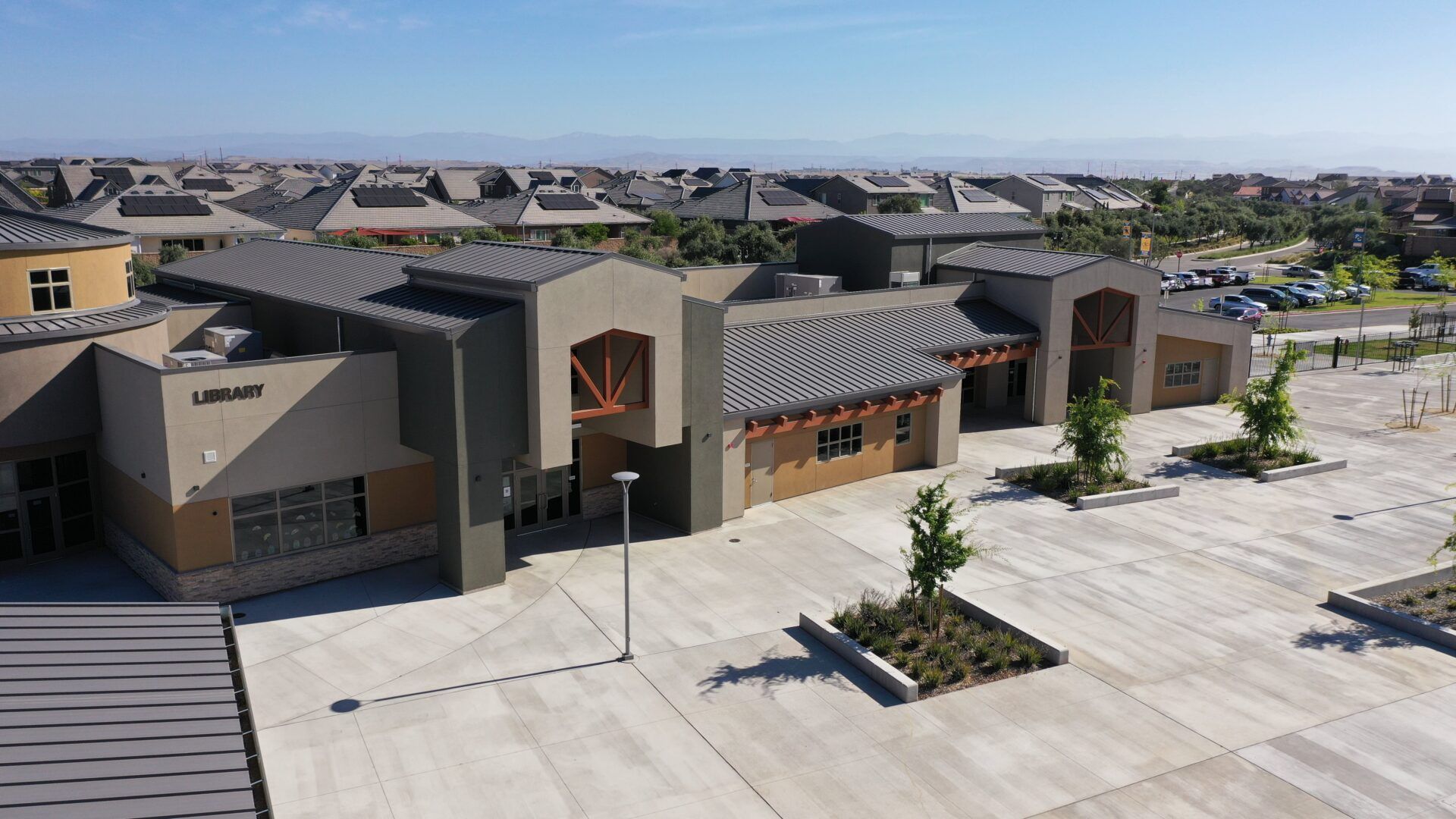
The Civic District represents Riverstone's commitment to integrated community living—education, civic services, and public facilities woven into the neighborhood fabric. At its heart sits Stone Creek Elementary, opened 2024 as Riverstone's on-campus K-6 school, enabling children to walk or bike to school safely within the community. This guide explores every aspect of the Civic District: Stone Creek Elementary details, Madera Unified School District context, future middle and high schools, walkable school access, homes near schools, and how Riverstone's educational integration creates family-friendly advantages impossible in typical subdivisions.
🏛️ Civic District Overview
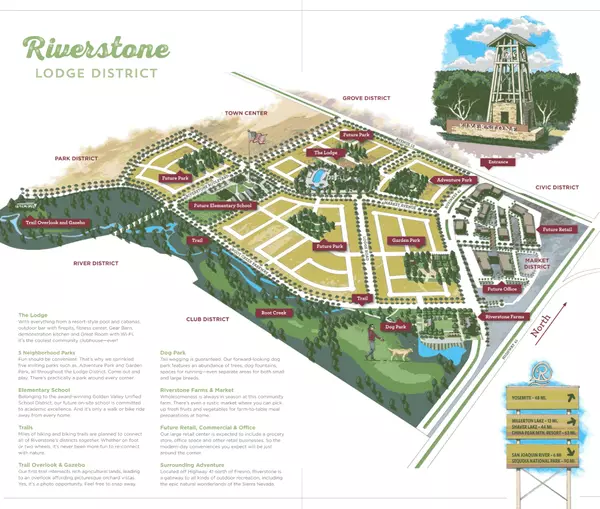
The Civic District is one of Riverstone's 8 master-planned districts, dedicated to educational facilities, community services, and civic functions serving all residents.
What is the Civic District?
The Civic District encompasses:
- Stone Creek Elementary: On-campus K-6 school serving Riverstone (opened 2024)
- Future Schools: Land reserved for middle school and high school
- Community Facilities: Potential library, community center, civic services
- Public Spaces: Plazas, gathering areas, civic green space
- Parks & Recreation: School-adjacent parks and playgrounds
- Safe Routes: Pedestrian and bicycle infrastructure to schools
Civic District Philosophy:
Riverstone's Civic District design follows proven community planning principles:
- Education as Anchor: Schools create community identity and stability
- Walkable Access: Children can safely walk/bike to school within neighborhood
- Multi-Generational Hub: Schools serve families while civic spaces serve all ages
- Community Building: Shared school experiences connect neighbors
- Property Values: Proximity to quality schools increases home values
- Long-Term Vision: K-12 education all within Riverstone eventually
Why On-Campus Schools Matter:
| Aspect | Typical Subdivision | Riverstone Civic District |
|---|---|---|
| Elementary School | Bus or drive 5-15 min to external school | Stone Creek Elementary on-campus (walk/bike) |
| School Access | Cross busy streets, highways | Internal community trails, safe routes |
| Morning Routine | Drive kids to school daily | Kids walk/bike independently or quick drop-off |
| Community Connection | Schoolmates scattered across district | Neighbors are classmates, integrated community |
| Parent Involvement | Requires driving to participate | Walk to events, easier engagement |
| Property Values | Standard appreciation | School proximity adds 5-15% premium |
🏫 Historical Context: Traditional suburban development separated residential from institutional uses (schools, civic buildings) requiring driving everywhere. Modern master-planned communities like Riverstone return to walkable town design where schools anchor neighborhoods. Stone Creek Elementary on-campus means Riverstone children can experience what previous generations had—walking to school with neighbors, fostering independence and community bonds impossible when everyone drives.
🎓 Stone Creek Elementary School
Stone Creek Elementary is Riverstone's on-campus K-6 school, opened August 2024 as part of Madera Unified School District.
Stone Creek Elementary Profile
Basic Information:
- Name: Stone Creek Elementary School
- Opened: August 2024 (2024-2025 school year)
- Grade Levels: Kindergarten through 6th Grade
- School District: Madera Unified School District
- Location: On-campus within Riverstone master-planned community
- Address: [Within Riverstone, Madera, CA 93636]
Campus Features:
- Modern Facility: Brand-new, state-of-the-art construction (2024)
- Classrooms: Technology-equipped learning spaces
- Library/Media Center: Resources and digital learning
- Cafeteria/Multipurpose: Meals and assembly space
- Gymnasium: Physical education and athletics
- Playground: Age-appropriate outdoor play areas
- Sports Fields: Fields for recess, PE, and recreation
- Parking: Staff and parent drop-off/pick-up areas
Enrollment & Capacity:
- Initial Enrollment (2024-25): Started with early Riverstone residents (hundreds of students)
- Capacity: Designed for growth to 600-800+ students
- Class Sizes: Standard California class size ratios (K-3: ~24 students, 4-6: ~30 students)
- Growth Projection: Will expand as Riverstone builds out over 15-20 years
- Attendance Boundary: Primarily serves Riverstone community
Academic Programs:
As part of Madera Unified, Stone Creek Elementary offers:
- Core Curriculum: English Language Arts, Mathematics, Science, Social Studies
- STEAM Focus: Science, Technology, Engineering, Arts, Mathematics integration
- Physical Education: Daily PE and movement
- Visual & Performing Arts: Art, music, performance programs
- Technology Integration: Chromebooks, digital learning tools
- English Learner Support: ELD programs for multilingual students
- Special Education: Services for students with IEPs
- Gifted Programs: Differentiation and advanced learning (district-dependent)
School Day Structure:
- Hours: Typical 8:00 AM - 2:30 PM (verify with school)
- Calendar: Follows Madera Unified school calendar
- Before/After School: May offer extended care programs
- Lunch: Cafeteria meals and nutrition services
- Recess: Outdoor play and physical activity breaks
Transportation & Access:
- Walk/Bike: Primary mode for Riverstone students (safe internal routes)
- Parent Drop-Off: Designated zones for car drop-off/pick-up
- Busing: May serve students outside Riverstone boundaries (check district policies)
- Crossing Guards: Safety personnel at key crossings during school hours
- Bike Racks: Secure bicycle parking for students
🎉 New School Advantage: Stone Creek Elementary's 2024 opening means cutting-edge facilities, modern technology, contemporary teaching methods, and "new school energy." No aging infrastructure, no deferred maintenance, no outdated systems. Your children attend a school designed for 21st-century learning from day one. This freshness attracts high-quality teachers and creates pride among students and families.
📚 Madera Unified School District
Stone Creek Elementary operates within Madera Unified School District, serving Riverstone and broader Madera community.
District Overview:
- Name: Madera Unified School District (MUSD)
- Founded: 1960 (60+ years)
- Total Students: ~20,000 students district-wide
- Schools: 30+ schools (elementary, middle, high, alternative)
- Service Area: City of Madera and surrounding areas
- Website: www.madera.k12.ca.us
District Performance & Ratings:
- California Dashboard: Check current state accountability data
- Test Scores: Vary by school; Stone Creek Elementary new (no historical data yet)
- GreatSchools Rating: District and individual school ratings available online
- College Readiness: District tracks college/career preparedness metrics
- Improvement Focus: MUSD invests in facilities, technology, teacher development
Middle Schools (Future Riverstone Students):
After Stone Creek Elementary (K-6), students currently attend:
- Nearest Middle School: Check district boundaries (likely nearby Madera middle school)
- Transportation: Bus service provided to middle school
- Grades: 7-8 (middle school in Madera Unified)
- Future Riverstone Middle: May be built on-campus as community grows
High Schools (Future Riverstone Students):
After middle school, students attend:
- Madera High School: Established comprehensive high school
- Madera South High School: Second comprehensive high school
- Alternative Options: Charter schools, technical programs, online options
- Transportation: Bus service provided
- Future Riverstone High: Potential for on-campus high school at build-out
District Programs & Services:
✅ MUSD Student Services
- Special Education: Comprehensive services for students with disabilities
- English Learner Programs: Support for multilingual students
- Gifted & Talented: Advanced learning opportunities
- Career Technical Education: Vocational and technical training (high school)
- Athletics: Sports programs at all levels
- Arts Programs: Music, visual arts, performing arts
- Technology: 1:1 device programs, digital learning
- Counseling: Academic, social-emotional, college/career counseling
🎓 District Context: Madera Unified is a growing district serving diverse community with focus on improvement. Stone Creek Elementary represents MUSD's newest, most modern facility—showcasing district's commitment to Riverstone area. While district-wide scores may vary, new schools often outperform district averages due to engaged parent communities (Riverstone families), modern facilities, and newer teaching approaches. Stone Creek's performance will develop its own identity separate from broader district trends.
🏗️ Future Schools Planned
As Riverstone builds toward 6,578 homes (21,000 residents), additional schools will be needed and planned.
Why Additional Schools Are Necessary:
School capacity planning based on student generation rates:
- Students per Home: Approximately 0.5-0.7 students/home (varies by demographics)
- Total Projected Students: 3,000-4,500 students at full Riverstone build-out
- Elementary Capacity: Stone Creek Elementary ~600-800 students
- Gap: Need for 2-3 additional elementary schools eventually
- Middle School: 1-2 middle schools needed for 7-8 grade population
- High School: 1 comprehensive high school needed for 9-12 grades
Future School Timeline (Estimated):
| School Type | Estimated Opening | Trigger Point |
|---|---|---|
| Elementary #2 | 2028-2032 | 2,500-3,500 homes occupied |
| Middle School | 2030-2035 | 3,000-4,000 homes, critical mass 7-8 graders |
| Elementary #3 | 2032-2037 | 4,500-5,500 homes occupied |
| High School | 2035-2040 | 5,000-6,000 homes, justify 1,500+ student high school |
Land Dedication & Planning:
- Dedicated Sites: Developer (Tim Jones) sets aside land for future schools
- District Coordination: Madera Unified works with developer on timing and need
- Funding: School construction funded through developer fees and district bonds
- Master Plan Approval: School sites approved in original Riverstone master plan
- Flexibility: Exact timing adjusts based on actual enrollment and growth rates
What "Future Schools" Means for Current Buyers:
- Stone Creek Guaranteed: Elementary school operational now, not future promise
- Middle/High Timeline: 5-15 years away depending on build-out pace
- Current Reality: Middle and high schoolers bus to existing Madera schools
- Improving Over Time: As Riverstone matures, on-campus K-12 becomes reality
- Land Reserved: Sites dedicated, but construction awaits population density
⏳ Patient Development: Future schools aren't "maybe" — they're "when population justifies." Madera Unified won't build 1,500-student high school for 500 students. As Riverstone grows to 4,000-6,000 homes, enrollment demands on-campus middle and high schools. Early buyers accept busing temporarily, gaining lower home prices and appreciation as schools develop. Later buyers pay more but get complete K-12 on-campus. Classic early adopter trade-off.
🚶 School Walkability & Safety
Stone Creek Elementary's on-campus location enables what many modern subdivisions lack: children walking and biking to school safely.
Safe Routes to School Infrastructure:
✅ Pedestrian & Bicycle Safety Features
- Sidewalks: Complete network on both sides of all streets
- Multi-Use Trails: Separated paths for walking/biking to school
- Crosswalks: Marked pedestrian crossings at all intersections
- Traffic Calming: Speed limits, narrow streets, roundabouts slow vehicles
- Crossing Guards: Staffed crossings during school hours at busy points
- Signage: School zone signs, pedestrian warning signs
- Lighting: Pathway lighting for winter morning walks
- Internal Community: No need to cross Highway 41 or major external roads
Walking/Biking Times to Stone Creek:
Distance and time from various Riverstone neighborhoods:
- Adjacent Neighborhoods: 3-5 minute walk, 1-2 minute bike ride
- Near Neighborhoods: 5-10 minute walk, 2-5 minute bike ride
- Far Neighborhoods: 10-15 minute walk, 5-8 minute bike ride
- Furthest Homes: 15-20 minute walk or short parent drive/carpool
Age-Appropriate Independence:
Walkable schools enable developmental independence:
- K-2 (Ages 5-7): Walk with parents or older siblings
- Grades 3-4 (Ages 8-9): Walk in groups with neighborhood friends
- Grades 5-6 (Ages 10-11): Walk/bike independently (parent comfort-dependent)
- Supervision Options: Walking school bus, parent volunteers, buddy systems
- Building Responsibility: Daily walk teaches independence, time management, safety awareness
Parent Drop-Off Option:
For parents preferring to drive:
- Drop-Off Zones: Designated areas for quick drop-off/pick-up
- Traffic Flow: Designed circulation preventing congestion
- Short Distances: Even driving is 2-5 minute trip within community
- No Highway Driving: All internal streets, safer and less stressful
- Convenience: Quick loop home after drop-off for work or errands
Benefits of Walkable School Access:
🚶 Walkability Advantages
- Time Savings: 30-60 minutes daily vs. driving to external school
- Cost Savings: Reduced fuel, vehicle wear (~$500-1,000/year)
- Physical Activity: Built-in exercise for children (and parents if walking together)
- Independence: Children develop self-reliance and responsibility
- Social Bonds: Walking with neighbors strengthens friendships
- Community Connection: Encountering neighbors daily builds relationships
- Safety Practice: Teaches pedestrian safety and awareness
- Environmental: Reduces emissions and traffic vs. car-dependent schools
🚸 Generational Shift: Many current parents were driven to school due to school location and safety concerns. Riverstone's design returns to what grandparents experienced—neighborhood schools within walking distance. This independence builds confidence, teaches responsibility, and creates childhood memories impossible when chauffeured everywhere. The 10-minute morning walk with neighborhood friends may become your child's favorite daily ritual.
🏡 Homes in the Civic District
Living near Stone Creek Elementary offers advantages but also considerations for lot selection.
School-Proximate Home Categories:
| Location Type | Typical Premium | Advantages | Considerations |
|---|---|---|---|
| Adjacent to School | $5,000-$15,000 | 2-3 min walk, ultimate convenience | Morning/afternoon activity, parking during events |
| 1-2 Blocks Away | $3,000-$10,000 | Easy walk, school proximity appeal | Minimal noise, good balance |
| 3-5 Blocks | $0-$5,000 | Walkable distance, quieter | Slightly longer walk (still manageable) |
| Across Community | $0 | Quiet location, school still accessible | 10-15 min walk or short drive |
School Proximity Advantages:
✅ Benefits of Living Near Stone Creek
- Walk to School: Children walk/bike independently or with parents
- Eliminate Commute: No driving saves 30-60 min daily
- Easy Participation: Walk to events, meetings, volunteer activities
- Emergency Access: Home minutes away if child needs parent
- Lunch Option: Walk home for lunch (distance-dependent)
- After-School Convenience: Kids can come home quickly if no activities
- Property Values: School proximity adds 5-15% resale premium
- Marketing Appeal: "Walk to school" powerful selling point
Challenges & Trade-Offs:
- Morning/Afternoon Traffic: Increased activity during drop-off/pick-up times
- Noise: Recess, outdoor activities, school events create sound
- Parking: School events may bring temporary parking overflow
- Pedestrian Traffic: Students walking increases foot traffic
- Limited Resale Market: Buyers without school-age children may not value proximity
Optimal School Proximity Strategy:
Real estate analysis suggests:
- Sweet Spot: 2-4 blocks (5-8 minute walk) - Close enough for easy access, far enough to avoid noise/congestion
- Premium Value: Adjacent with buffer - Homes across street from school with mature landscaping screening
- Best Resale: Within 1/4 mile - Can market "walk to school" without proximity downsides
- Consider Children's Ages: Young kids benefit from closer; teens don't need immediate adjacency
Builders in Civic District Area:
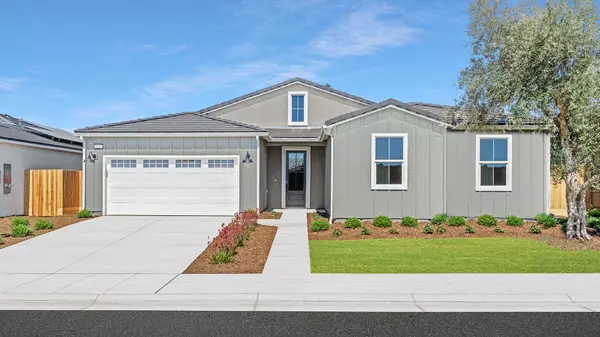
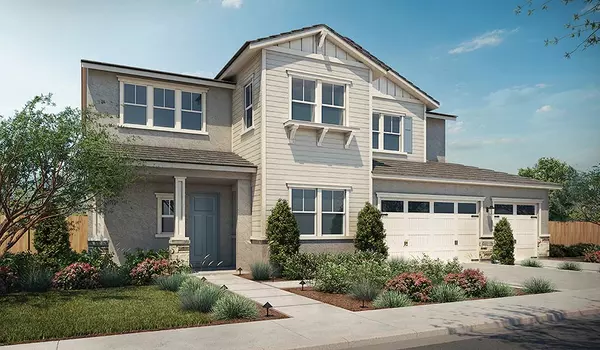
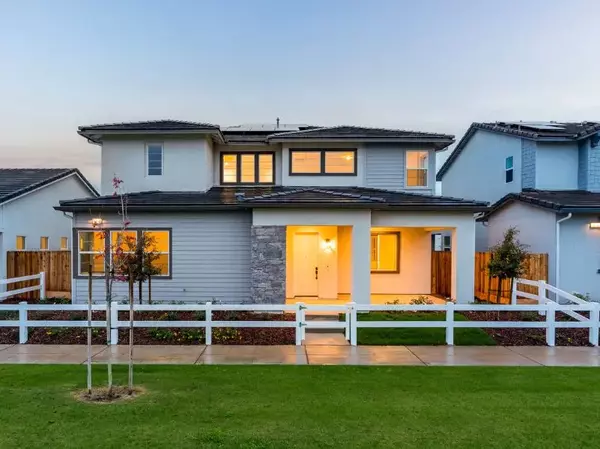
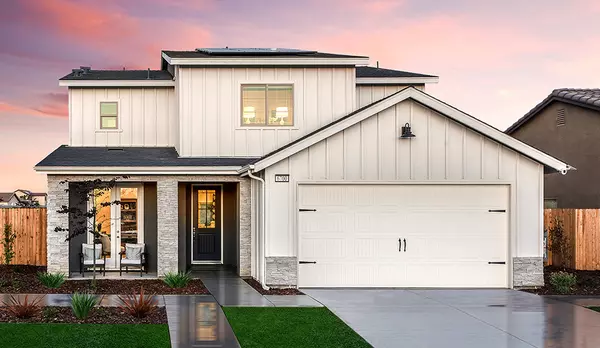
All three Riverstone builders have homes near Stone Creek Elementary:
- D.R. Horton (Artisan): Entry homes ($400K-$550K) including school-area locations
- Lennar (Emery): Mid-tier homes ($450K-$650K) throughout Civic District vicinity
- Woodside (Ariette): Luxury homes ($550K-$750K+) select school-proximate lots
🌟 Benefits of On-Campus School Living
Stone Creek Elementary's on-campus location creates lifestyle and financial advantages beyond education.
Family Lifestyle Impact:
- Morning Routine Simplified: Walk kids to school vs. complex drop-off logistics
- Work Flexibility: Remote workers save 60+ min daily commuting to/from external school
- After-School Freedom: Kids can attend activities without parent shuttle service
- Community Integration: School events become neighborhood gatherings
- Spontaneous Participation: Walk to quick parent meetings vs. driving across town
- Sibling Coordination: All elementary-age kids at same school simplifies logistics
Children's Development Benefits:
- Independence: Walking to school builds confidence and self-reliance
- Physical Activity: Daily walk provides exercise (10-20 min walking = 2,000-4,000 steps)
- Social Skills: Walking with neighbors strengthens friendships
- Time Management: Responsible for getting to school on time
- Safety Awareness: Learns pedestrian safety and street awareness
- Neighborhood Connection: Knows community beyond just home and car
Financial Value Analysis:
| Benefit | Annual Value | Elementary Years (K-6) |
|---|---|---|
| Time Saved (60 min daily) | $3,000-6,000 | $21,000-42,000 |
| Gas/Vehicle Costs Avoided | $500-1,000 | $3,500-7,000 |
| Reduced Stress/Quality of Life | Intangible | Significant wellbeing impact |
| Property Value Premium (5-15%) | $2,000-7,500 | $14,000-52,500 appreciation |
| TOTAL 7-YEAR VALUE | $5,500-14,500/year | $38,500-101,500 |
Community & Social Benefits:
- Neighbor Bonds: Shared school experiences connect families
- Parent Networks: School creates natural social connections
- Children's Friendships: Classmates are neighbors, play after school
- Community Identity: Shared school pride builds Riverstone identity
- Volunteer Opportunities: Easy to participate in PTA, classroom help, events
- Multi-Generational: School serves as community anchor for all residents
💰 Hidden Value of Time: 60 minutes daily saved on school commute = 300 hours per school year = 2,100 hours over 7 elementary years. At California average wage (~$35/hour), that's $73,500 in time value. Even not working those hours, reclaimed time has quality-of-life value—exercise, family dinners, sleep, hobbies. This "time dividend" compounds annually and isn't captured in home price but represents massive lifestyle improvement vs. car-dependent school access.
📖 Education Quality & Performance
Understanding Stone Creek Elementary's education quality and how to evaluate schools.
Assessing New Schools:
Stone Creek Elementary opened 2024, so traditional metrics (test scores, ratings) don't exist yet. Evaluate based on:
- Madera Unified Standards: Stone Creek follows district curriculum and standards
- Modern Facility: Brand-new building with current learning technology
- Teacher Quality: New schools often attract enthusiastic, motivated teachers
- Parent Demographics: Riverstone families (home buyers) typically value education highly
- Community Support: Engaged parent community boosts school performance
- Resources: New school typically has funding for supplies, technology, programs
Factors Predicting School Success:
- Parent Involvement: Master-planned communities show higher parent engagement
- Socioeconomic Mix: Home buyers ($400K-$750K+ homes) correlate with educational support
- Community Stability: Low turnover creates consistent student population
- Local Investment: Riverstone HOA and developer support school programs
- New School Energy: Opening enthusiasm creates positive culture
How to Monitor Performance:
- GreatSchools.org: Ratings and reviews (will update as data available)
- California School Dashboard: State accountability metrics
- CAASPP Test Scores: Published annually by California Dept of Education
- School Website: Programs, achievements, parent communications
- Visit Campus: Tour school, meet principal, observe classrooms
- Talk to Parents: Current Riverstone families with students attending
Realistic Expectations:
- Year 1-2: Building culture, establishing routines, new community
- Year 3-5: Performance data emerging, reputation developing
- Year 5+: Established school with track record
- Trajectory Matters: Look for improvement over time, not just snapshots
- Community Investment: Engaged parents can influence school quality positively
📊 Performance Expectations: New schools in master-planned communities with engaged, higher-income families typically perform above district averages within 3-5 years. Stone Creek Elementary serves Riverstone families who chose $400K-$750K+ homes, suggesting educational prioritization. Combined with modern facility, new leadership, and community support, Stone Creek likely to develop strong performance. However, first few years focus on building culture—test scores lag as indicator.
🏛️ Civic & Community Services
Beyond schools, the Civic District may eventually include additional community services and facilities.
Potential Future Civic Amenities:
- Community Library: Possible branch library serving Riverstone
- Community Center: Multi-purpose civic facility for meetings, classes, events
- Post Office: Potential postal facility as community grows
- Government Services: DMV kiosk, voter registration, public services
- Public Safety: Possible fire station or police substation
- Senior Center: Dedicated facility for older adult programs
Current Community Services:
Available now through Riverstone and Madera:
- HOA Management: On-site community services and management
- The Lodge: Functions as community center with meeting rooms, events
- Madera Services: City of Madera facilities accessible (8-10 min drive)
- Fire/Police: Madera city services respond to Riverstone
- Mail Delivery: USPS residential delivery to homes
Civic District Development Timeline:
Civic services develop as population grows:
- Current (500-800 homes): Stone Creek Elementary primary civic use
- 2,000-3,000 homes: May justify library branch, community center expansion
- 4,000-5,000 homes: Post office, senior center, additional civic services likely
- Full Build-Out (6,578 homes): Comprehensive civic district with multiple services
❓ Frequently Asked Questions
Q: Is Stone Creek Elementary already open or is it still being built?
A: Stone Creek Elementary is open and operational. It opened August 2024 for the 2024-2025 school year. Current Riverstone students attend now. This is not a future promise—it's a functioning school serving the community today.
Q: What if I don't have elementary-age children—does Civic District still matter?
A: Yes, for multiple reasons: (1) Property values—school proximity increases home values 5-15% even without kids, (2) Resale appeal—future buyers often have children, (3) Community character—good schools attract stable families, (4) Future services—Civic District may add library, community center benefiting all, (5) Investment—schools signal long-term community viability. Schools benefit entire community, not just current students.
Q: Where do middle and high school students go currently?
A: Currently, Riverstone students attend Madera Unified middle and high schools outside the community (busing provided). Exact schools depend on district boundaries. As Riverstone grows, on-campus middle and high schools are planned (estimated 2030-2040 timeline) but not built yet. Early residents accept busing temporarily; later residents benefit from complete K-12 on-campus.
Q: Can I send my child to a different school if I don't like Stone Creek Elementary?
A: Options exist: (1) Intra-district transfer—apply to different Madera Unified school (subject to space and approval), (2) Inter-district transfer—apply to different district (complex, requires approvals), (3) Private school—at your expense, (4) Homeschool—legal option in California. However, Stone Creek is your assigned neighborhood school; alternatives require effort and may not be guaranteed. Most families choose convenience of on-campus school.
Q: Are there private school options nearby?
A: Madera and Fresno have private school options (Catholic, Christian, Montessori, independent). Nearest may be 10-20 minutes in Madera or Fresno. Private school tuition typically $5,000-15,000+/year per child. Stone Creek Elementary is public (free), so private school is financial and logistical choice. Some families choose private for religious education or specific pedagogical approaches.
Q: How does Stone Creek Elementary compare to schools in Clovis Unified?
A: Clovis Unified is higher-rated district overall with strong reputation. However: (1) Stone Creek is brand-new (2024) vs. older Clovis schools, (2) Riverstone demographics similar to Clovis (home buyers, engaged families), (3) On-campus walkable access vs. Clovis schools requiring drives, (4) New schools often outperform district averages, (5) Compare Stone Creek in 5 years vs. Clovis schools after establishing track record. Clovis has brand, but Stone Creek has modern facility and engaged community.
Q: What safety measures are in place at Stone Creek Elementary?
A: Modern schools include: (1) Secure campus with controlled entry points, (2) Visitor check-in procedures, (3) Fenced campus perimeter, (4) Emergency response protocols, (5) Crossing guards at key intersections, (6) Staff training in safety and security, (7) Communication systems with parents, (8) Lockdown and emergency drills. New construction allows latest safety design features. Contact school for specific protocols.
Q: Will more students attending Stone Creek make it overcrowded?
A: School sized for growth. Initial capacity ~600-800 students; may expand with additional classrooms if needed. However, if Riverstone elementary population exceeds one school's capacity, Madera Unified will build second elementary (planned in master plan). This typically happens around 2,500-3,500 homes. Stone Creek designed for growth but additional schools prevent overcrowding long-term.
Q: Can I walk to Stone Creek Elementary to drop off/pick up my child?
A: Yes! Walking with your child to school is encouraged. School has pedestrian access from multiple directions. If driving, designated drop-off zones available, but walking is safe option for those nearby. Many families walk together creating "walking school bus" where parents rotate supervising groups of neighborhood kids—building community while ensuring safety.
Q: What happens if Stone Creek Elementary doesn't meet my expectations?
A: Options: (1) Get involved—parent engagement improves schools; volunteer, join PTA, (2) Communicate concerns—speak with teachers, principal about specific issues, (3) District transfer—apply to different Madera Unified school, (4) Private school—at your expense, (5) Move—if school is critical and other options fail. However, give new school time to establish (3-5 years) before making major decisions. New schools often improve significantly in early years.
Explore the Civic District
Visit Stone Creek Elementary campus and Civic District area to see the on-campus school advantage. Discover how walkable school access transforms family life.
Schedule School Tour View Civic District Homes Learn About Education❓ How Important is On-Campus School Access?
After learning about Stone Creek Elementary and Civic District benefits, how much does walkable school access matter to you? Is it a top priority? Nice bonus? Irrelevant? Share your thoughts on how integrated education affects your home buying decision!
📧 Get Education & School Updates
Subscribe for notifications about Stone Creek Elementary news, future school developments, education programs, and family-oriented community events. Stay connected to Riverstone's educational offerings!
Categories
Recent Posts