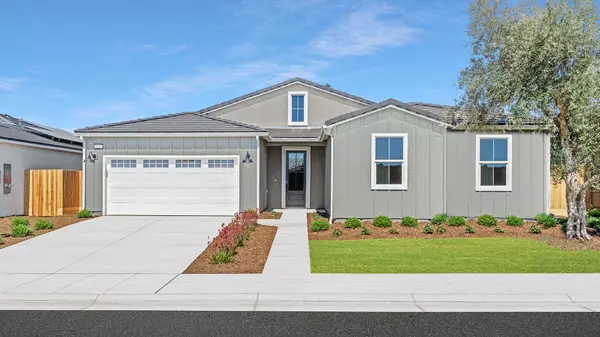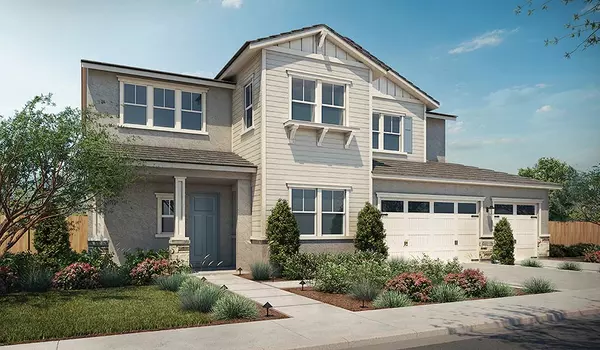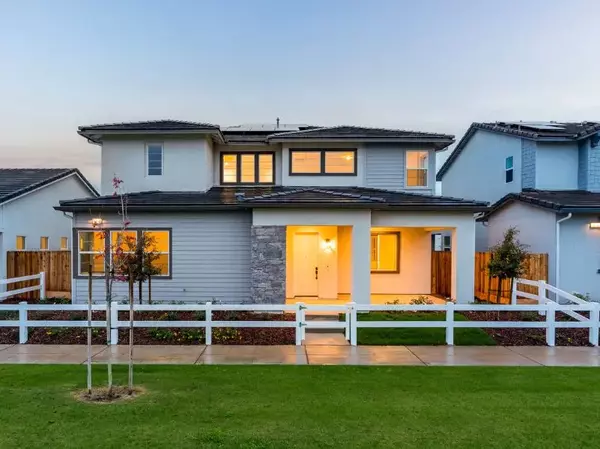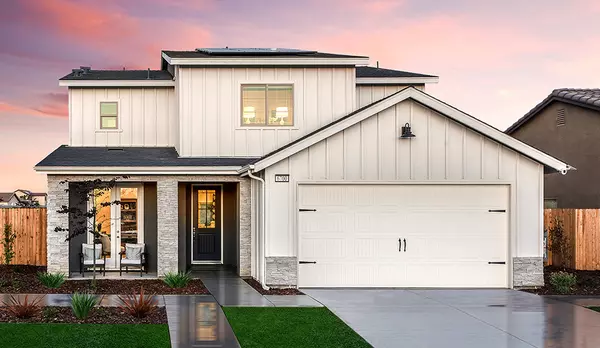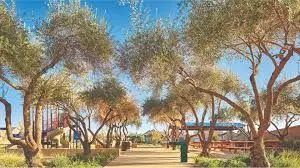
Riverstone a 2,000 Acre Community
Riverstone's 2,000 Acres: Inside One of California's Largest Master-Planned Communities
Discover What Scale, Space, and Comprehensive Planning Mean for Your Quality of Life
📋 Table of Contents
When you hear "2,000 acres," it's hard to visualize the true scale. To put it simply: Riverstone Madera is massive. It's not just a neighborhood—it's essentially a small city being built from scratch in Southeast Madera County. With 6,578 homes planned across 8 distinct districts, 115+ acres of parks, and comprehensive amenities that rival resort destinations, Riverstone represents master-planned community development at an unprecedented scale for Central California. This guide breaks down what 2,000+ acres really means and why it matters for your quality of life.
📐 Understanding 2,000 Acres
Numbers alone don't convey scale. Let's put Riverstone's 2,000+ acre footprint into perspective so you can truly grasp the magnitude of this community.
🗺️ Visualizing 2,000 Acres:
2,000 acres equals:
- Approximately 3.1 square miles
- About 1,520 football fields (including end zones)
- Roughly 87 million square feet
- If you walked the perimeter: ~7 miles
- Driving across at 25 mph: ~7-8 minutes
Comparisons to Familiar Places:
| Location | Size | vs. Riverstone |
|---|---|---|
| Disneyland Park | ~85 acres | Riverstone is 24× larger |
| New York Central Park | 843 acres | Riverstone is 2.4× larger |
| Monaco (entire country) | 499 acres | Riverstone is 4× larger |
| Vatican City (entire country) | 109 acres | Riverstone is 18× larger |
| Downtown Fresno | ~400 acres | Riverstone is 5× larger |
💡 Scale Reality Check: Riverstone isn't just "big for a subdivision"—it's genuinely massive by any standard. At 2,000+ acres, Riverstone is larger than many small towns, larger than most California master-planned communities, and approaching the size of some entire city centers. This scale enables a level of comprehensive planning, amenity diversity, and community complexity that smaller developments simply cannot achieve.
Population at Build-Out:
With 6,578 homes planned and assuming average household size of 3.2 people (California average for families in new construction), Riverstone will house approximately 21,000 residents at full build-out. That's the equivalent of a small city—larger than many incorporated California towns.
- Current Population: Growing (early phases of development)
- Projected Build-Out Population: ~21,000 residents
- Build-Out Timeline: 15-20 years (phased development)
- Comparative Size: Similar population to cities like Clovis (pre-expansion), Del Rey, Firebaugh
📊 How the 2,000+ Acres Are Used
Every acre at Riverstone has been thoughtfully planned. Unlike conventional subdivisions that maximize homes and minimize everything else, Riverstone dedicates substantial acreage to amenities, parks, open space, and commercial uses that enhance quality of life.
Approximate Acreage Breakdown:
Detailed Allocation:
- Residential Neighborhoods (~60%): 6,578 single-family homes across multiple districts with varying lot sizes, architectural styles, and price points
- Parks & Recreation (~6%): 115+ acres dedicated to community parks, playgrounds, sports fields, trails, and green spaces—far exceeding typical subdivision standards
- Commercial & Mixed-Use (~7%): Market District (43 acres), Urban District (45 acres), Town Center, and retail corridors providing shopping, dining, entertainment, and services
- Civic & Community (~3%): Stone Creek Elementary School, community clubhouse ("The Lodge"), civic spaces, and gathering areas
- Infrastructure (~24%): Roads, utilities, stormwater management, setbacks, buffers, and open space ensuring sustainable development
🌳 Green Space Commitment: With 115+ acres dedicated exclusively to parks and trails, Riverstone provides approximately 5.6 acres of parkland per 1,000 residents—well above the National Recreation and Park Association's recommendation of 10 acres per 1,000 residents when including all recreational facilities. Many conventional subdivisions provide less than 1 acre per 1,000 residents or no parks at all.
Why This Allocation Matters:
- Quality of Life: Substantial parks and trails mean outdoor recreation is always close
- Walkability: Commercial districts within the community reduce car dependency
- Community Identity: Civic spaces and The Lodge create gathering places
- Long-Term Value: Comprehensive amenities support property values over time
- Sustainability: Thoughtful infrastructure and green space management
🏘️ The 8 Districts Explained
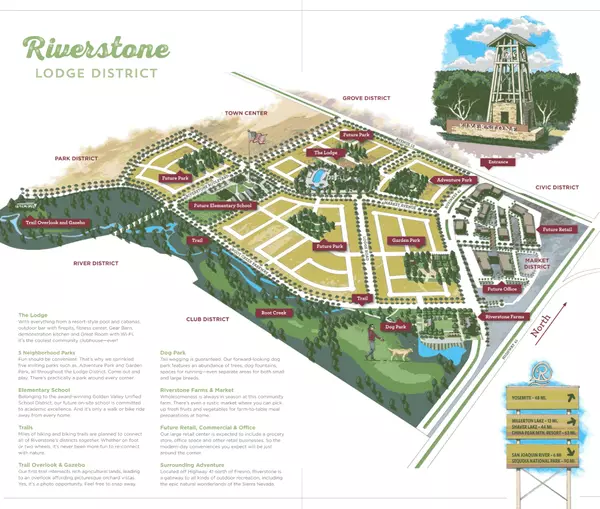
Riverstone's 2,000 acres aren't just one big neighborhood—they're organized into 8 distinct districts, each with unique character, purpose, and appeal. This district-based approach creates diversity and specialization impossible in smaller developments.
🏛️ The Lodge District
Purpose: Recreation & Community Hub
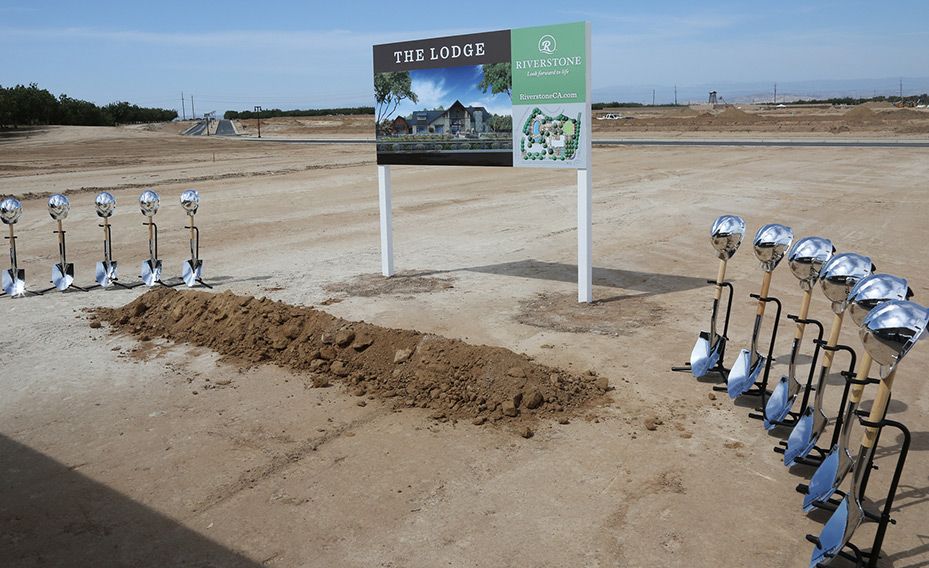
The heart of Riverstone, featuring the stunning 15,000+ sq ft clubhouse with resort-style pools (lap pool, recreation pool, spa), state-of-the-art fitness center, event spaces, and social gathering areas. This is where the community comes together for events, exercise, and connection.
- Amenities: Resort pools, fitness center, clubhouse, event spaces
- Character: Active, social, resort-style living
- Access: All Riverstone residents have membership
🌳 The Park District
Purpose: Family Recreation & Green Space
Dedicated to parks, playgrounds, sports fields, and outdoor recreation. Multiple neighborhood parks, tot lots, sports courts, and open green spaces provide venues for family activities, youth sports, and casual recreation.
- Features: Playgrounds, sports fields, picnic areas, open lawns
- Character: Family-friendly, active, outdoor-focused
- Trail Connections: Extensive walking and biking trail network
🎓 The Civic District
Purpose: Education & Community Services
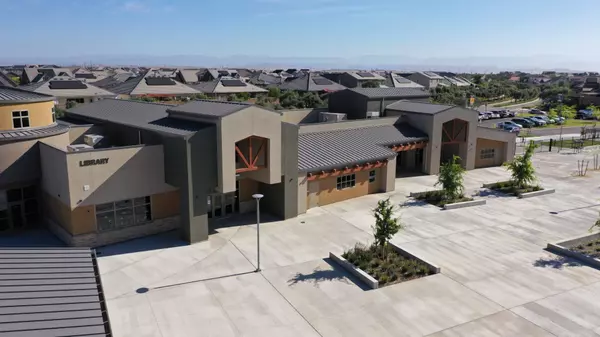
Home to Stone Creek Elementary School and community civic spaces. This district serves as the educational and civic heart of Riverstone, facilitating learning and community gathering.
- Key Feature: Stone Creek Elementary (brand new, award-winning)
- Character: Educational, community-oriented
- Benefits: Walkable school within neighborhood
🛍️ The Market District (43 Acres)
Purpose: Neighborhood Retail & Services
A 43-acre mixed-use district combining retail shopping, grocery stores, dining, personal services, and entertainment. The Market District makes everyday errands convenient without leaving Riverstone.
- Planned Tenants: Grocery store, restaurants, retail shops, services
- Character: Suburban retail, family-friendly
- Convenience: Reduce trips to Madera/Fresno for basics
🌆 The Town Center
Purpose: Walkable Mixed-Use Core
The pedestrian-friendly heart of Riverstone featuring a walkable main street concept with shops, restaurants, cafes, and gathering spaces designed for day-to-night activity.
- Design: Pedestrian-first, mixed-use urbanism
- Character: Social, walkable, vibrant
- Vision: Community gathering place for meals, coffee, shopping
🏙️ The Urban District (45 Acres)
Purpose: Dynamic Mixed-Use & Entertainment
A 45-acre zone featuring day-to-night businesses, entertainment venues, dining, and potentially residential units. This dynamic district brings energy and urban-style vibrancy to Riverstone.
- Uses: Entertainment, dining, retail, offices
- Character: Active, modern, diverse
- Appeal: Creates excitement and variety within community
🏡 Single-Family Residential Districts
Purpose: Diverse Housing Options
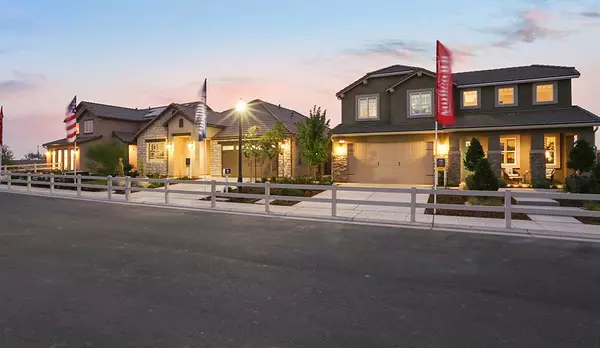
Multiple neighborhoods featuring the Ariette, Emery, and Artisan home collections from top builders (Lennar, D.R. Horton, Woodside Homes). These districts offer diverse floor plans, architectural styles, and price points ($400K-$750K+) serving different buyer needs.
- Collections: Artisan (entry-level), Emery (mid-range), Ariette (executive)
- Character: Varied by neighborhood—some active adult-oriented, others family-focused
- Lot Sizes: 5,000-12,000+ sq ft depending on collection
🚀 Future Districts
Purpose: Long-Term Growth & Evolution
Additional planned districts will bring even more diversity and opportunity to Riverstone in coming years as the community continues its 15-20 year build-out.
- Timeline: Phases throughout 15-20 year development
- Vision: Continued innovation and amenity expansion
Why 8 Districts Matter:
The district-based approach creates a community that feels like 8 interconnected neighborhoods rather than one monotonous subdivision. Each district has personality and purpose, giving residents variety, choice, and a sense that Riverstone is a complete, self-contained community rather than just a collection of houses.
🌳 115+ Acres of Parks & Recreation
One of Riverstone's most significant advantages is the sheer amount of space dedicated to parks, trails, and recreation. With 115+ acres of parkland, Riverstone provides outdoor amenities that rival entire cities.
What 115 Acres of Parkland Includes:
🎮 Active Recreation
- Sports Fields: Soccer fields, baseball diamonds, multi-purpose sports areas
- Basketball Courts: Full and half-court options in multiple locations
- Playgrounds: Age-appropriate play structures throughout community
- Fitness Stations: Outdoor exercise equipment and fitness zones
- Dog Parks: Dedicated off-leash areas for pets
🚶 Trails & Connectivity
- Walking Trails: Miles of dedicated pedestrian paths connecting neighborhoods
- Biking Trails: Safe routes for cyclists of all ages
- Fitness Loops: Measured trails for runners and walkers tracking distance
- Nature Paths: Scenic routes through green spaces and natural areas
🌿 Passive Recreation
- Open Lawns: Large grass areas for picnics, games, relaxation
- Picnic Areas: Tables, shade structures, gathering spaces
- Benches & Seating: Rest spots throughout trail system
- Landscaping: Mature trees, native plants, aesthetic green spaces
The Lodge Recreational Facilities:
Beyond the 115 acres of parks, The Lodge provides resort-style amenities:
- Resort Pool: Large recreation pool for families
- Lap Pool: 25-meter pool for serious swimmers and exercise
- Spa/Hot Tub: Relaxation and hydrotherapy
- Fitness Center: 3,000+ sq ft with cardio equipment, weights, group fitness spaces
- Clubhouse: 15,000+ sq ft with event spaces, lounge areas, kitchens
- Outdoor Spaces: Patios, fire pits, seating areas at The Lodge
🏆 Amenity Density: With 115+ acres of parks serving 6,578 homes (projected 21,000 residents), Riverstone provides approximately 5.5 acres of parkland per 1,000 residents. Add The Lodge's resort amenities, and Riverstone's recreational infrastructure rivals many cities—but it's all within your community, maintained to high standards, and available exclusively to residents.
Year-Round Programming:
Riverstone's size enables comprehensive community programming:
- Fitness Classes: Yoga, Zumba, boot camps, personal training
- Youth Activities: Summer camps, sports leagues, swimming lessons
- Social Events: Movie nights, concerts, holiday celebrations, farmers markets
- Educational Programs: Workshops, speakers, demonstrations
- Seasonal Activities: Pool parties (summer), holiday events (winter), outdoor festivals
📏 How Riverstone Compares to Other Communities
To truly appreciate Riverstone's scale, let's compare it to other master-planned communities in California and beyond.
California Master-Planned Communities:
| Community | Location | Size | Homes Planned |
|---|---|---|---|
| Riverstone Madera | Madera County | 2,000+ acres | 6,578 |
| Mountain House | San Joaquin County | 4,800 acres | 12,000+ |
| Tehaleh (WA - comparison) | Washington State | 4,500 acres | 6,000+ |
| Folsom Ranch | Folsom, CA | 1,450 acres | 4,600 |
| Woodbridge (Irvine) | Irvine, CA | 5,400 acres | 9,500 |
| Typical Subdivision | Various | 50-300 acres | 200-1,000 |
What the Numbers Tell Us:
- Riverstone is 4-10× larger than typical subdivisions in Central California
- Riverstone ranks among California's top 15% largest master-planned communities by acreage
- Most Central Valley communities are 500-800 acres—Riverstone is 2.5-4× that size
- Riverstone's home count (6,578) rivals small incorporated cities like Orange Cove, Firebaugh, and Huron
💡 Scale Advantage: Riverstone's 2,000+ acres isn't just impressive—it's transformative. This scale enables true district-based planning, extensive amenities, comprehensive commercial development, and long-term sustainability that communities under 1,000 acres simply cannot achieve. You're not buying into a subdivision; you're buying into what will essentially become a self-contained town within Southeast Madera County.
✨ Why Scale Matters: The Benefits of 2,000 Acres
Size isn't just about bragging rights—it creates tangible benefits for residents that smaller communities cannot replicate.
1. 🎯 Comprehensive Amenities
- More Options: 115+ acres of parks vs. 5-10 acres in typical subdivisions
- Resort-Level Facilities: Multiple pools, full fitness center, expansive clubhouse
- Variety: Something for everyone—sports, passive recreation, social spaces
- Sustainable Funding: Larger membership base supports better amenity maintenance
2. 🏪 On-Site Services & Retail
- Walkable Convenience: Grocery, dining, services within the community
- Reduced Commutes: Less need to drive to Madera/Fresno for basics
- Economic Viability: 21,000 residents support diverse retail and restaurants
- Job Creation: Local employment opportunities within Riverstone
3. 🚶 True Walkability
- Complete Trail Networks: Walk or bike throughout the entire community
- Mixed-Use Integration: Residential areas connected to commercial districts
- School Connectivity: Safe routes for kids to walk to Stone Creek Elementary
- Health Benefits: Built environment encourages active transportation
4. 🏫 On-Campus School
- Stone Creek Elementary: Brand new school within community boundaries
- Walkability: Kids can walk/bike to school safely
- Community Integration: School events and activities strengthen neighborhood bonds
- Future Schools: Scale supports additional schools as community grows
5. 🏘️ Diverse Housing Options
- Multiple Builders: 3+ builders provide choice and competition
- Price Range: $400K-$750K+ serves various budgets
- Architectural Variety: Different collections and styles prevent monotony
- Upgrade Opportunities: Room for residents to move up within community
6. 📈 Long-Term Value Stability
- Planned Build-Out: 15-20 year development ensures sustained growth
- Infrastructure Investment: County and state commitment to area
- Amenity Addition: New facilities opening as community develops
- Reputation: Award-winning recognition attracts buyers
7. 🌳 Environmental Benefits
- Green Space Preservation: 115+ acres of parks provide habitat and open space
- Stormwater Management: Comprehensive infrastructure handles drainage responsibly
- Sustainable Design: Energy-efficient homes and community systems
- Urban Heat Reduction: Trees and green space moderate temperatures
8. 🤝 Critical Mass for Community
- Engaged Population: 21,000 residents create vibrant community
- Event Support: Enough participation to sustain regular programming
- Social Connections: More residents mean more opportunities to find friends
- Youth Activities: Enough kids to support sports leagues, clubs, activities
🎯 The Bottom Line: Riverstone's 2,000 acres create a fundamentally different living experience than conventional subdivisions. You're not just getting a house with some shared amenities—you're getting access to a complete, self-contained community with resort amenities, walkable services, excellent schools, extensive recreation, and true neighborhood diversity. This is what master-planned community development looks like at the highest level.
📅 Development Phases & Timeline
Building a 2,000+ acre community with 6,578 homes doesn't happen overnight. Understanding Riverstone's phased development helps set expectations and reveals opportunities.
Overall Timeline:
- Total Build-Out: 15-20 years from initial groundbreaking to final home
- Current Phase: Early-to-mid development (multiple neighborhoods under construction)
- Approach: Strategic phasing ensures infrastructure precedes homes
Development Sequence Strategy:
Phase 1 (Years 1-5): Foundation & Core
- Lodge District amenities (clubhouse, pools, fitness center)
- Initial residential neighborhoods (early home collections)
- Core infrastructure (roads, utilities, trails)
- Stone Creek Elementary School
- Initial parks and green spaces
Phase 2 (Years 6-10): Expansion & Retail
- Market District commercial development
- Town Center mixed-use areas
- Additional residential neighborhoods
- Expanded trail networks
- Additional park facilities
Phase 3 (Years 11-20): Completion & Maturation
- Urban District development
- Final residential neighborhoods
- Potential additional school sites
- Complete commercial build-out
- Community maturation and establishment
Advantages of Phased Development:
- Infrastructure First: Roads, utilities, and services built ahead of homes
- Quality Control: Time to refine based on resident feedback
- Market Adaptation: Flexibility to adjust to changing buyer preferences
- Sustained Appreciation: Ongoing development and new amenities support values
- Established Community: Early residents help shape culture and character
💰 Investment Perspective: Buying early in a phased master-planned community often provides the strongest appreciation potential. As new amenities open, commercial areas develop, and the community fills in, property values typically rise faster than in fully built-out neighborhoods. Early Riverstone buyers benefit from lower entry prices while enjoying appreciation as the community matures over 15-20 years.
What This Means for Buyers:
- Buy Now: Access lower prices in early phases before appreciation
- Growing Amenities: New facilities and services opening regularly
- Evolving Community: Be part of shaping Riverstone's culture from early days
- Construction Activity: Ongoing building activity for years (consider location preferences)
- Long-Term Stability: Developer commitment to 15-20 year timeline signals confidence
🏡 What It's Like Living in a 2,000-Acre Community
Living in a mega-community like Riverstone is fundamentally different from living in conventional subdivisions. Here's what daily life looks like:
Daily Life Scenarios:
🌅 Morning
Wake up in your Emery Collection home. Walk your kids 0.3 miles to Stone Creek Elementary via the trail system—no car needed. After drop-off, head to The Lodge for a 7am spin class, then grab coffee at the Town Center café before working from your home office.
☀️ Afternoon
Lunch break? Walk the Park District trails for a 2-mile loop past playgrounds and sports fields. After work, pick up groceries at the Market District store—still within Riverstone. No need to drive to Madera today.
🌆 Evening
Kids have soccer practice at the sports fields (5-minute walk). While they practice, you hit the lap pool at The Lodge for 30 minutes. Dinner at the Town Center restaurant with neighbors. Walk home through well-lit trails as kids ride bikes alongside.
🎉 Weekend
Saturday morning farmers market at Town Center. Afternoon at Lodge pool with kids. Evening movie night on the lawn (community event). Sunday morning Yosemite hike (45 minutes away), afternoon BBQ at Park District picnic area with friends from the neighborhood.
Community Experience:
- Scale Creates Anonymity and Community: Large enough to have privacy, small enough to recognize neighbors
- Something Always Happening: With 21,000 residents at build-out, events and activities happen constantly
- Diverse Connections: More residents mean more chances to find people with shared interests
- Self-Contained Living: Many residents go days without leaving Riverstone
- Walkable Lifestyle: Car optional for many daily activities
Considerations:
- HOA Fees: Comprehensive amenities require higher fees (~$150-200/month) but provide significant value
- Ongoing Construction: 15-20 year build-out means construction activity will be part of life
- HOA Rules: Community standards maintain quality but may feel restrictive to some
- Size Can Feel Overwhelming: Some people prefer smaller, tighter-knit neighborhoods
- Commute Still Required: Unless you work in Riverstone, you'll still commute to Fresno/Madera
🎯 Is Riverstone Right for You? Riverstone's 2,000-acre scale is perfect for people who want resort amenities, walkability, comprehensive services, and true community—all while maintaining suburban California living. It's less suitable for those who prefer rural isolation, dislike HOAs, or want fully mature neighborhoods with no ongoing construction.
❓ Frequently Asked Questions
Q: Will Riverstone feel overcrowded with 6,578 homes?
A: No. The 2,000+ acres, 115+ acres of parks, and strategic district planning create a spacious feel despite the home count. Density is similar to established suburbs—not urban high-rises. The district approach prevents any single area from feeling overcrowded. Plus, the phased 15-20 year build-out means it never feels like a massive construction zone.
Q: How long will construction activity continue in Riverstone?
A: Approximately 15-20 years total from initial groundbreaking to final home. However, construction is phased across 8 districts, so your immediate neighborhood will complete much faster. Once your phase is finished, ongoing construction happens in other districts rather than next door. Early buyers experience more construction; later buyers move into a more established community.
Q: What happens to property values in a community this large?
A: Large master-planned communities typically experience strong appreciation due to: (1) Growing amenities adding value over time, (2) Established reputation attracting buyers, (3) Limited competition—once sold out, no more opportunities, (4) Community maturation. Early buyers often see strongest appreciation as the community develops. Riverstone's awards and recognition position it well for long-term value growth.
Q: Is 2,000 acres too big? Will I feel isolated within the community?
A: The district approach prevents isolation. You'll primarily interact with your immediate neighborhood while having access to the broader community. Most daily activities (parks, Lodge, shopping) are within a 5-10 minute walk or drive. The trail system connects everything. Think of Riverstone as 8 smaller neighborhoods under one umbrella rather than one giant subdivision.
Q: How do HOA fees for a 2,000-acre community compare to smaller communities?
A: Riverstone's HOA fees (~$150-200/month) are higher than simple subdivisions but provide significantly more value: resort pools, fitness center, 115+ acres of parks, clubhouse, events, extensive landscaping, and trail maintenance. The larger membership base actually makes comprehensive amenities more financially sustainable than in smaller communities.
Q: Can I walk or bike most places within Riverstone, or will I still need to drive?
A: Once the community is built out, many daily activities will be walkable/bikable: school, parks, Lodge amenities, shopping/dining at Market District and Town Center. You'll still need a car for: commuting to Fresno/Madera for work, accessing services outside Riverstone, and getting to destinations beyond the community. Think of Riverstone as reducing car dependency rather than eliminating it.
Q: What's the difference between living in Riverstone vs. living in the City of Madera?
A: Riverstone offers: new construction, master-planned amenities, resort-style facilities, comprehensive planning, newer infrastructure, and higher prices. City of Madera offers: established neighborhoods, mature trees, more affordable resale homes, direct city services, and fully developed commercial areas. Riverstone is unincorporated (county services) while Madera is incorporated (city services). Many people prefer Riverstone's modern, planned approach; others prefer Madera's established character.
Q: How does Riverstone compare to other large master-planned communities in California?
A: Riverstone is among California's larger master-planned communities at 2,000+ acres. It's comparable to developments like Mountain House (San Joaquin County) and Folsom Ranch but smaller than mega-communities like Irvine's Woodbridge. Riverstone's advantage is combining large-scale planning with Central Valley affordability—you get master-planned excellence without Bay Area or coastal pricing.
Q: Will Riverstone eventually become its own incorporated city?
A: Possible but not currently planned. With 21,000 projected residents at build-out, Riverstone will have the population of a small city. Incorporation would require resident approval, county approval, and meeting various criteria. For now, Riverstone remains unincorporated, served by Madera County. Many master-planned communities remain unincorporated long-term.
Q: Is buying early in Riverstone better than waiting until it's more built-out?
A: Buying early typically provides: (1) Lower prices before appreciation, (2) Best lot selection, (3) Opportunity to shape community culture, (4) Benefit from appreciation as community develops. Buying later provides: (1) More established community, (2) Less construction activity, (3) Mature landscaping, (4) Proven amenities. It depends on your priorities—investors often prefer early; those wanting immediate maturity prefer later.
Experience Riverstone's 2,000 Acres Yourself
The only way to truly understand the scale and quality of Riverstone is to visit. Tour the community, explore the districts, experience The Lodge, and see why 2,000 acres makes all the difference.
Schedule Your Community Tour View Available Homes Download Master Plan❓ What Questions Do You Have?
Considering Riverstone's 2,000-acre community? What aspects of the size and scale interest you most—the amenities, walkability, districts, or something else? Do you have concerns about the scale? Share your thoughts in the comments below. We're here to help you understand what living in one of California's largest master-planned communities is really like!
📧 Get Riverstone Updates
Subscribe for updates on new phases, available homes, community events, and exclusive offers at Riverstone's 2,000-acre community. Stay informed as this massive master-planned community develops!
Categories
Recent Posts