Riverstone Mixed-Use Community: Live, Work, Play Benefits & Walkable Lifestyle
Riverstone Mixed-Use Community: Live, Work, Play Benefits & Walkable Lifestyle
Discover How Integrated Residential, Commercial, Schools & Amenities Create Central Valley's Premier Mixed-Use Development
📋 Table of Contents
Most suburban subdivisions are single-use: just houses, forcing residents to drive everywhere for work, shopping, dining, and recreation. Riverstone breaks this mold as a true mixed-use community—integrating 6,578 homes with 118+ acres of commercial, schools, 115+ acres of parks, and resort amenities all within 2,000 acres. This "live, work, play" approach reduces car dependency, increases convenience, builds community, and creates lifestyle advantages impossible in traditional bedroom suburbs. This guide explores what mixed-use really means, how Riverstone delivers it, and why it matters for your daily life and investment.
🏘️ What is a Mixed-Use Community?
Mixed-use development integrates multiple land uses—residential, commercial, employment, institutional, and recreational—in close proximity, typically within walkable or short-drive distances. Rather than segregating homes from everything else, mixed-use communities combine different functions in a planned, integrated way.
Traditional Single-Use Development:
- Residential Only: Subdivisions contain only homes, nothing else
- Separate Commercial: Shopping centers located miles away on commercial corridors
- Distant Schools: Children bused to schools in other areas
- Far Recreation: Parks and recreation facilities separate from housing
- Car Dependency: Every activity requires driving
- Bedroom Community: Residents sleep there but live elsewhere
Mixed-Use Development (Riverstone's Approach):
- Integrated Residential: 6,578 homes across multiple districts
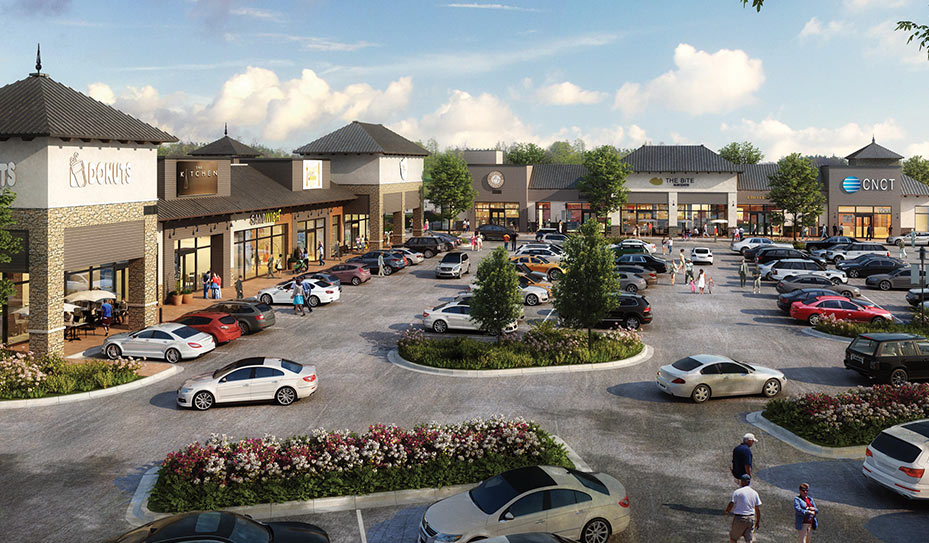
- On-Site Commercial: 118+ acres of retail, dining, services within community
- Campus Schools: Stone Creek Elementary on-site, future schools planned
- Amenity Integration: The Lodge, pools, fitness accessible to all residents
- Parks Throughout: 115+ acres distributed across neighborhoods
- Future Employment: Office space in Urban District creating local jobs
- Walkable Design: Trails connecting residential to commercial and civic uses
- Complete Community: 70-80% of needs met on-site
The Five Pillars of Mixed-Use:
| Use Type | Riverstone Implementation | Benefit |
|---|---|---|
| Residential | 6,578 homes across 8 districts | Foundation and population base |
| Commercial | Market District, Town Center, Urban District | Shopping, dining, services on-site |
| Civic/Institutional | Stone Creek Elementary, future schools, civic spaces | Education and community services |
| Recreation | The Lodge, 115+ acres parks, trails, sports fields | Active and passive recreation |
| Employment (Future) | Office space in Urban District, commercial jobs | Local employment opportunities |
🎯 Key Distinction: Mixed-use doesn't just mean "homes plus a shopping center nearby." True mixed-use integrates different functions in a planned, cohesive way with intentional connections (trails, sidewalks, transit), unified design, and thoughtful proximity. Riverstone's 8-district approach organizes different uses into coherent zones while ensuring everything is accessible without excessive driving. This comprehensive integration separates Riverstone from typical subdivisions with token commercial.
🏗️ Riverstone's Mixed-Use Components
Riverstone's mixed-use character derives from seven integrated components working together to create a complete community.
1. Residential Districts (1,200+ Acres):
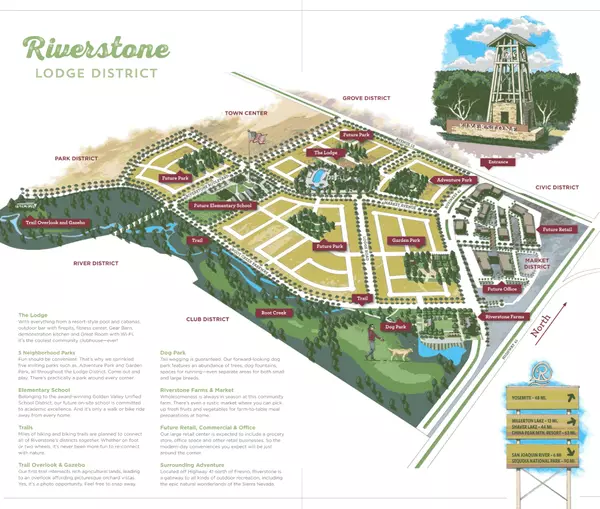
- 8 Distinct Districts: Lodge, Park, Civic, Market, Town Center, Urban, Residential, Future
- 6,578 Homes: Three collections (Artisan, Emery, Ariette) serving diverse demographics
- Density Variation: Different neighborhoods have varied densities and lot sizes
- Architectural Diversity: Multiple builders and styles prevent monotony
- 21,000 Residents: Critical mass supporting all mixed-use components
2. Commercial Districts (118+ Acres):
🛍️ Three Commercial Zones
- Market District (43 acres): Grocery, retail, services, banking, medical
- Town Center (~30 acres): Main street dining, boutiques, cafes, entertainment
- Urban District (45 acres): Movie theater, bowling, nightlife, offices, potential residential
- Timeline: Market District 2027-2030, Town Center 2031-2033, Urban District 2034-2037
- Self-Sufficiency: Combined commercial meets 70-80% of daily needs on-site
3. Civic & Educational Facilities:
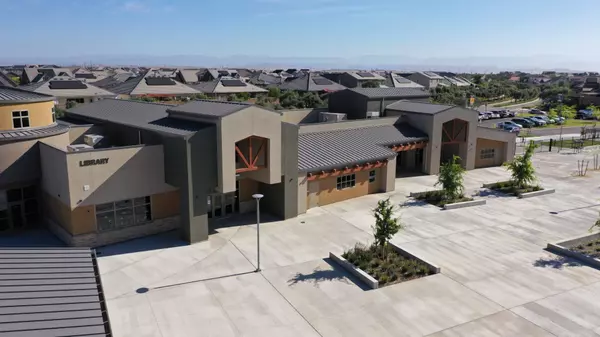
- Stone Creek Elementary: K-6 school opened 2024, on-campus within Riverstone
- Future Schools: Additional schools planned as population grows
- Community Spaces: Meeting rooms, event facilities, civic gathering areas
- HOA Management: On-site offices and community management
- Emergency Services: Access and infrastructure supporting fire/police
4. Recreation & Amenities (115+ Acres):
🏊 The Lodge District
- Clubhouse: 15,000+ sq ft with event spaces, lounges, services
- Aquatic Center: Resort pool, lap pool, spa, splash pad
- Fitness: 3,000+ sq ft gym with equipment and classes
- Sports Courts: Basketball, pickleball, tennis
- Programming: Daily classes, events, activities for all ages
🌳 Park District
- Total Acreage: 115+ acres of parks and green space
- Neighborhood Parks: Playgrounds within 5-minute walk of every home
- Sports Fields: Soccer, baseball, multi-use fields
- Trail System: Miles of walking, biking, and jogging paths
- Passive Recreation: Picnic areas, open lawns, nature spaces
5. Transportation Infrastructure:
- Trail Network: Multi-use paths connecting all districts
- Sidewalks: Complete pedestrian network throughout community
- Bike Lanes: Safe cycling infrastructure
- Road Hierarchy: Main boulevards, neighborhood streets, cul-de-sacs
- Highway Access: Direct connection to Highway 41 for external trips
- Future Transit: Potential for internal shuttle or external bus service
6. Open Space & Landscaping:
- Green Buffers: Landscaping separating different uses
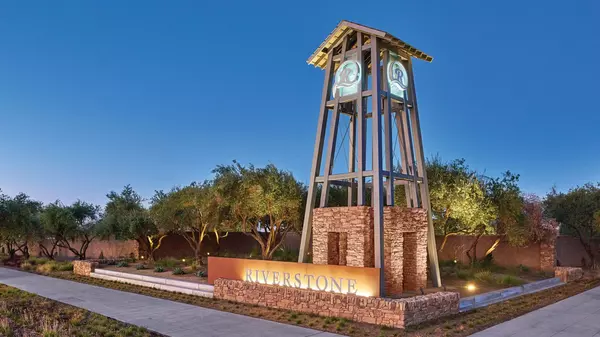
- Entry Monuments: Gated entries and community identity
- Streetscapes: Tree-lined streets throughout
- Natural Areas: Preserved open space and natural features
- HOA Maintenance: Professional upkeep of all common areas
7. Utilities & Services:
- Water/Sewer: Comprehensive infrastructure serving all uses
- Power Grid: Electrical infrastructure with capacity for growth
- Internet/Communications: Fiber optic and modern connectivity
- Waste Management: Coordinated trash/recycling services
- Security: Community safety and potential patrol services
🏗️ Integrated by Design: These seven components aren't isolated—they're intentionally connected. Trails link residential to Lodge to commercial. Parks adjoin neighborhoods. Schools connect to pedestrian networks. The Market District is central for access from all residential areas. This integration is what makes Riverstone mixed-use rather than just "big subdivision with some retail eventually." Every component supports and enhances the others.
✅ Key Benefits of Mixed-Use Living
Mixed-use communities offer tangible advantages affecting daily life, finances, health, and quality of life.
Time Savings
How Mixed-Use Saves Time:
- Reduced Commuting: Errands consolidated on-site vs. multiple distant locations
- Walkable Services: 5-10 minute walks vs. 20+ minute drives
- Combined Trips: Stop at grocery after workout at Lodge
- Less Traffic: Internal circulation avoids highway congestion
- Proximity Advantage: Everything closer means less time in car
Estimated Time Savings:
- Per Week: 3-5 hours saved on errands and non-work trips
- Per Year: 150-250 hours (equivalent to 6-10 full days)
- Over 10 Years: 1,500-2,500 hours (62-104 full days of life reclaimed)
Cost Savings
Financial Benefits:
- Reduced Gas: Fewer miles driven = $100-200/month savings
- Vehicle Wear: Less driving extends vehicle life
- Maintenance: Lower mileage reduces repair frequency
- Insurance: Some insurers offer discounts for low-mileage drivers
- Potential Single-Car Households: Some families find one car sufficient
Annual Savings Estimate:
- Gasoline: $1,200-2,400/year (assuming $4/gallon, 300-600 fewer miles/month)
- Maintenance: $300-600/year in reduced repairs
- Vehicle Depreciation: $500-1,000/year slower depreciation
- Total: $2,000-4,000+ annual savings from reduced driving
Health & Wellness
Physical Health Benefits:
- More Walking: Walkable design increases daily steps and activity
- Casual Exercise: Walk to dinner, bike to store = incidental fitness
- Amenity Access: Lodge fitness and pools encourage regular exercise
- Outdoor Time: Trails and parks promote outdoor activity
- Active Living: Lifestyle naturally incorporates movement
Mental Health Benefits:
- Less Stress: Reduced driving and traffic frustration
- Community Connection: Encounters with neighbors build social bonds
- Sense of Place: Complete community creates belonging
- Work-Life Balance: Time saved on errands = more personal time
- Quality of Life: Convenience and amenities improve daily satisfaction
Community Building
Social Connection:
- Natural Encounters: Walking to coffee, park, store creates neighbor interactions
- Shared Spaces: Lodge, parks, Town Center foster community gathering
- Events & Programming: Activities bring residents together
- Children's Friendships: Kids play together at parks and school
- Neighborhood Identity: Mixed-use creates stronger community bonds
Safety Benefits:
- Eyes on Street: Walkable areas with pedestrians discourage crime
- Active Spaces: People using parks and commercial areas increase safety
- Neighbor Awareness: Connected community means neighbors know each other
- Children's Safety: Walk to school and park within community vs. crossing highways
Environmental Sustainability
Reduced Environmental Impact:
- Lower Emissions: Fewer vehicle miles = reduced carbon footprint
- Efficient Land Use: Mixed-use requires less land per capita than sprawl
- Preserved Open Space: Concentrated development protects natural areas
- Energy Efficiency: Walkability and proximity reduce energy consumption
- Smart Growth: Mixed-use represents sustainable development model
Personal Sustainability:
- Smaller Carbon Footprint: Less driving per household
- Active Transportation: Walking/biking replaces car trips
- Local Focus: On-site needs reduce long-distance travel
- Green Living: Lifestyle naturally aligns with sustainability values
🚶 Walkability & Transportation Options
True mixed-use depends on walkability—the ability to reach destinations safely and comfortably on foot. Riverstone's design prioritizes pedestrian and bicycle connectivity alongside vehicular access.
Pedestrian Infrastructure:
✅ Walking Network
- Complete Sidewalks: Both sides of all streets, minimum 5-6 feet wide
- Trail System: Separated multi-use paths throughout community
- Crosswalks: Safe pedestrian crossings at all major intersections
- Lighting: Streetlights and path lighting for evening safety
- Landscaping: Tree-lined streets provide shade for walkers
- Connectivity: Direct pedestrian routes between residential and commercial
Walk Score & Accessibility:
| Destination | Walk Time from Central Residential | Walk Distance |
|---|---|---|
| The Lodge | 5-15 minutes | 0.25-0.75 miles |
| Nearest Park | 2-5 minutes | 0.1-0.25 miles (all homes) |
| Stone Creek Elementary | 5-15 minutes | 0.25-0.75 miles (varies by neighborhood) |
| Market District (Future) | 10-20 minutes | 0.5-1.0 miles |
| Town Center (Future) | 15-25 minutes | 0.75-1.25 miles |
Bicycle Infrastructure:
- Bike Lanes: Designated lanes on main boulevards
- Multi-Use Trails: Paths accommodating cyclists and pedestrians
- Bike Parking: Racks at Lodge, schools, future commercial areas
- Safe Routes: Network designed for all ages and skill levels
- Recreation & Transportation: Bikes serve both exercise and practical transportation
Vehicle Accessibility:
- Road Network: Hierarchical street system (boulevards, collectors, locals)
- Parking: On-street and garages for residential; lots at commercial
- Traffic Calming: Narrower streets, roundabouts, speed controls in residential areas
- Highway Access: Quick connection to Highway 41 for external trips
- Internal Circulation: Efficient routing between districts
Future Transportation Options:
- Shuttle Service: Potential internal circulator connecting Lodge to Town Center to Market District
- Rideshare Zones: Designated pickup/dropoff areas for Uber/Lyft
- EV Infrastructure: Charging stations at commercial and public areas
- Transit Connection: Possible future bus service connecting Riverstone to Madera and Fresno
🚶 Walkability Reality Check: While Riverstone is designed for walkability, the Central Valley's summer heat (95-105°F June-September) limits practical walking to early mornings and evenings. Most residents will drive to Market District even though it's technically walkable. However, shorter trips (to neighborhood parks, Lodge pool, school) remain walkable year-round, and winter/spring/fall offer comfortable walking weather. Riverstone provides walkable infrastructure; actual walking behavior depends on temperature, personal preference, and destination.
📅 Daily Life in a Mixed-Use Community
What does mixed-use actually look like day-to-day? Here are real-world scenarios showing how Riverstone's integration affects daily routines.
🌅 Morning Routine Scenario
7:00 AM: Wake up, morning coffee at home
7:30 AM: Walk kids to Stone Creek Elementary (8-minute walk within Riverstone)
8:00 AM: Return home via trail, enjoying morning walk
8:30 AM: Remote work from home office
12:00 PM: Walk to Lodge for lunch and quick workout (15-minute walk or 2-minute drive)
1:00 PM: Back to work from home
Value: No commute, convenient exercise, kids safely walk to school—all within community
🌆 Evening Routine Scenario
5:00 PM: Finish work, pick up kids from after-school program at Lodge
5:30 PM: Walk to neighborhood park (5 minutes) while kids play
6:30 PM: Walk to Market District (when open) for quick grocery run (15 minutes)
7:00 PM: Dinner at home with groceries purchased on-site
8:00 PM: Evening walk on trails with family
Value: All activities within Riverstone, minimal driving, integrated lifestyle
☕ Weekend Morning Scenario
9:00 AM: Walk to Town Center cafe (when open) for coffee and pastries (20-minute walk)
10:00 AM: Browse boutiques and shops in Town Center
11:00 AM: Stop at Market District for weekly groceries on walk home
12:00 PM: Home for lunch, groceries purchased without single car trip
Value: Saturday morning errands become pleasant walk, social time with spouse
Before Mixed-Use (Traditional Subdivision):
Traditional Subdivision Life
- Drive kids to school (15 min each way)
- Drive to grocery store in Madera (15 min)
- Drive to gym membership (20 min)
- Drive to parks (10-15 min)
- Drive to restaurants (15-25 min)
- Drive to work (27+ min to Fresno)
- Total Weekly: 10-15 hours in car for errands/activities
Riverstone Mixed-Use Life
- Walk kids to Stone Creek Elementary (8 min)
- Walk/drive to Market District (5-15 min)
- Walk to Lodge gym on-site (10 min)
- Walk to neighborhood park (5 min)
- Walk to Town Center restaurants (15 min)
- Still drive to work in Fresno (27 min)
- Total Weekly: 3-5 hours for errands (50-66% reduction)
Typical Week Comparison:
| Activity | Traditional Subdivision | Riverstone Mixed-Use | Time Saved |
|---|---|---|---|
| School Drop-Off/Pickup (5 days) | 2.5 hours driving | 1.3 hours walking | 1.2 hours |
| Grocery Shopping (2x/week) | 1 hour driving + shopping | 0.5 hours + shopping | 0.5 hours |
| Gym Workouts (3x/week) | 2 hours driving to/from gym | 0.5 hours walking to Lodge | 1.5 hours |
| Kids to Park/Activities | 1.5 hours driving | 0.5 hours walking | 1 hour |
| Dining Out (2x/week) | 1 hour driving | 0.5 hours (when Town Center open) | 0.5 hours |
| TOTAL WEEKLY | 8 hours non-work driving | 3.3 hours | 4.7 hours saved |
⏱️ Time is Money: Saving 4-5 hours per week = 200-250 hours per year. At California's average wage (~$35/hour), that's $7,000-8,750 in time value reclaimed annually. Over a 10-year residence, that's $70,000-87,500 in time value—plus reduced stress, better health, and improved quality of life. Mixed-use living isn't just convenient; it has real economic and life quality value.
🏘️ Mixed-Use vs. Traditional Subdivisions
Comprehensive Comparison:
| Aspect | Traditional Subdivision | Riverstone Mixed-Use |
|---|---|---|
| Land Use | Residential only, single-use zoning | Integrated residential, commercial, civic, recreation |
| Retail Access | External strip malls 5-15 min drive | 118+ acres on-site, walkable eventually |
| Schools | Bused or drive to distant schools | Stone Creek Elementary on-campus, walkable |
| Recreation | Token park, HOA pool if lucky | The Lodge resort amenities + 115 acres parks |
| Walkability | Sidewalks to nowhere, no destinations | Complete trail network to actual destinations |
| Community | Bedroom suburb, limited social spaces | Lodge, Town Center, parks foster connections |
| Car Dependency | 100% car-dependent for all activities | 50-70% of activities accessible without car |
| Completeness | Must leave for everything except sleep | 70-80% of needs met on-site |
| Scale | Typically 100-500 homes | 6,578 homes enables true mixed-use |
| Property Values | Average appreciation | Premium for mixed-use convenience (3-8%) |
Why Traditional Subdivisions Are Single-Use:
- Zoning Regulations: Many jurisdictions separate residential from commercial by law
- Scale Limitations: Small subdivisions lack population to support retail
- Developer Economics: Residential-only developments are simpler and faster to build
- NIMBY Concerns: Residents often oppose commercial near homes (traffic, noise)
- Phasing Challenges: Commercial requires critical mass not available at opening
How Riverstone Overcomes These Barriers:
- Scale: 6,578 homes (21,000 residents) justify comprehensive commercial
- Master Plan Authority: Developer controls all land use decisions
- Separation: District approach buffers residential from commercial impacts
- Long-Term Vision: 15-20 year timeline allows phased commercial development
- Financial Backing: Institutional investors support patient capital for mixed-use
🌱 Sustainability & Environmental Benefits
Mixed-use development is inherently more sustainable than sprawl. Riverstone's integration reduces environmental impact at personal and community levels.
Carbon Footprint Reduction:
- VMT (Vehicle Miles Traveled): Mixed-use residents drive 20-40% fewer miles annually
- Emissions: Reduced driving = lower CO2 and pollutant emissions
- Per-Household Impact: Estimated 2-4 tons less CO2 annually vs. sprawl equivalent
- Community Total: At full build-out (6,578 homes), 13,000-26,000 tons less CO2 annually
Efficient Land Use:
- Higher Density: 3.3 homes/acre vs. 1-2 homes/acre in exurban sprawl
- Mixed-Use Efficiency: Combined uses require less total land than separated uses
- Preserved Open Space: Concentrated development leaves more natural areas intact
- Agricultural Protection: Reduced sprawl pressure on surrounding farmland
Resource Conservation:
- Shorter Utility Runs: Compact development reduces infrastructure needs
- Shared Systems: Centralized amenities serve more people efficiently
- Energy Efficiency: Less driving = less fuel consumption
- Water Management: Coordinated irrigation and stormwater systems
Active Transportation:
- Walking/Biking: Replaces short car trips with zero-emission alternatives
- Health Benefits: Active transportation improves resident health
- Habit Formation: Walkable infrastructure encourages sustainable choices
- Future EV Readiness: Infrastructure prepared for electric vehicle transition
🌍 Smart Growth Model: Urban planners recognize mixed-use as "smart growth"—development that minimizes environmental impact while maximizing livability. Riverstone represents smart growth principles applied to Central Valley: integrated uses, walkability, preserved open space, efficient land use, and sustainable transportation options. This is the opposite of sprawl, which separates uses and maximizes driving. By choosing Riverstone, buyers participate in more sustainable development model.
💰 Mixed-Use Impact on Property Values
Mixed-use communities typically command premium values compared to single-use subdivisions. Convenience, walkability, and completeness add measurable value.
Value Premiums for Mixed-Use:
- National Studies: Mixed-use homes command 3-8% premiums vs. comparable single-use homes
- Walkability Premium: Homes with Walk Score 70+ sell for 5-15% more than car-dependent areas
- Amenity Access: On-site commercial and recreation add 5-10% to values
- Lifestyle Appeal: Buyers pay more for convenience and reduced driving
- Time Value: Time saved has economic value reflected in willingness to pay
Riverstone-Specific Value Drivers:
- The Lodge: Resort amenities add immediate value even before commercial opens
- Stone Creek Elementary: On-campus school increases appeal for families
- Commercial Opening: When Market District opens (2027-2028), expect 5-10% value lift
- Town Center: Walkable dining/entertainment adds another 3-5% when operational
- Complete Build-Out: Fully developed mixed-use can add 15-25% total vs. single-use equivalent
Resale Advantages:
- Marketing Story: "Walk to Lodge, school, shopping" is compelling listing feature
- Buyer Pool: Mixed-use appeals to broader demographics (families, professionals, retirees)
- Faster Sales: Unique features differentiate Riverstone from generic subdivisions
- Price Support: During downturns, amenities and lifestyle help maintain values
- Competitive Advantage: Few Central Valley communities offer true mixed-use
Investment Timeline:
| Phase | Timeframe | Value Driver | Estimated Impact |
|---|---|---|---|
| Current (2025) | Now | Lodge + Parks operational | Baseline + 5-8% |
| Market District | 2027-2028 | On-site grocery and retail opens | Additional 5-10% |
| Town Center | 2031-2033 | Walkable dining and entertainment | Additional 3-5% |
| Urban District | 2034-2037 | Complete mixed-use build-out | Additional 2-3% |
| CUMULATIVE | By 2037 | Full mixed-use completion | 15-26% total premium |
💎 Early Buyer Advantage: Buying now (2025) before commercial opens means capturing the full appreciation cycle as mixed-use components develop. Early buyers pay for "potential mixed-use" but benefit as that potential becomes reality. By 2037, when Urban District completes, early buyers will have enjoyed 12+ years of appreciation including the 15-26% mixed-use premium—while later buyers pay higher prices for finished product.
⚠️ Challenges & Realities of Mixed-Use
Mixed-use living isn't perfect. Understanding challenges and limitations helps set realistic expectations.
1. Development Timeline:
- Delayed Gratification: Commercial components 5-15 years away from 2025
- Early Buyer Trade-Off: Pay for vision before execution
- Construction Activity: Living amid development for 15-20 years
- Uncertainty: Economic downturns could delay commercial timelines
2. Proximity Trade-Offs:
- Commercial Noise: Homes near Market District/Town Center experience more activity
- Traffic: Main boulevards carry more vehicles than interior cul-de-sacs
- Parking Overflow: Commercial areas may generate parking spillover
- Evening Activity: Town Center and Urban District create nighttime noise
3. Walkability Limitations:
- Central Valley Heat: Summer temperatures (95-105°F) limit practical walking
- Distance Reality: Even within Riverstone, some destinations require driving
- Weather Extremes: Rain, heat, wind affect walkability appeal
- Time Constraints: Walking takes longer than driving (when convenient parking available)
4. Not Car-Free:
- Work Commutes: Most residents still drive to Fresno/Madera jobs
- Specialty Shopping: Major purchases still require trips to Fresno
- Medical Appointments: Specialists and hospitals are off-site
- Regional Activities: Entertainment variety requires leaving Riverstone
- Vehicle Ownership: Mixed-use reduces but doesn't eliminate car dependency
5. HOA Fees:
- Higher Costs: Comprehensive amenities require higher HOA fees ($200-300+/month)
- Mandatory Participation: Can't opt out even if not using amenities
- Special Assessments: Major repairs could trigger additional fees
- Cost vs. Benefit: Need to value amenities to justify fees
6. Density Perception:
- More Neighbors: 21,000 residents feels different than 500-home subdivision
- Parking Competition: Shared amenities mean competing for Lodge pool loungers
- Privacy Trade-Off: Walkability means more people passing by homes
- Not Rural: Mixed-use is suburban density, not spacious country living
⚖️ Honest Assessment: Mixed-use isn't for everyone. If you value absolute quiet, maximum privacy, large lots, and don't mind driving everywhere, traditional exurban subdivisions may fit better. Mixed-use trades some privacy and adds activity for convenience, walkability, and amenities. The key is knowing your priorities: if convenience and community outweigh seclusion and space, Riverstone's mixed-use model works. If not, it may not be the right fit.
❓ Frequently Asked Questions
Q: Is Riverstone truly walkable or just has sidewalks?
A: Both. Riverstone has complete sidewalk and trail infrastructure (true walkability infrastructure), but practical walkability depends on Central Valley heat, personal preference, and distance. Short trips (neighborhood parks, Lodge pool) are highly walkable year-round. Longer trips (Market District when open) are walkable but many will drive, especially in summer. Riverstone provides infrastructure for walking; actual usage varies by individual and season.
Q: How long until I can actually walk to a grocery store?
A: Best estimate: 2027-2028 for Market District grocery opening. This is 5-8 years from first home sales (2020), which is typical for master-planned community commercial. Until then, residents drive to Madera (8 min) or Fresno (27 min) for groceries. Early buyers accept this delay in exchange for lower home prices and maximum appreciation potential.
Q: Will living near commercial areas hurt my property value?
A: Research shows mixed results. Homes immediately adjacent to commercial may see less appreciation than interior residential, but proximity to walkable retail adds value overall. The key is buffer distance—homes 2-3 blocks from Town Center get walkability benefits without excessive noise, commanding premiums. Homes backing directly to commercial parking lots may underperform. Location matters within mixed-use.
Q: Can I really reduce my driving significantly?
A: Partially. Once commercial opens, you can eliminate many short trips (grocery, dining, services) by walking or very short drives. However, work commutes, specialty shopping, medical appointments still require driving. Realistic expectation: 30-50% reduction in non-work driving once mixed-use is complete. That's significant but not car-free living.
Q: Do mixed-use communities have higher HOA fees?
A: Yes, typically. Riverstone's comprehensive amenities (Lodge, pools, 115 acres parks, landscaping) require higher fees than basic subdivisions. Current estimate: $200-300+/month. However, you're getting resort-level amenities, professional management, and commercial development that wouldn't exist otherwise. Compare cost to gym memberships, rec center fees, and community pool costs you'd pay separately.
Q: Is mixed-use just a trendy buzzword or does it actually matter?
A: It actually matters when executed properly. Riverstone's scale (6,578 homes, 118+ acres commercial, on-site school) creates real mixed-use. Token commercial or small subdivisions calling themselves "mixed-use" without integrated design don't deliver benefits. Riverstone's integration, walkability, and completeness create measurable lifestyle and value impacts. Not buzzword—legitimate planning approach.
Q: What if the commercial districts never get built?
A: Unlikely but possible if severe economic crisis derails development. However, Riverstone's 21,000 projected residents virtually guarantee commercial viability—it's economically justified. Worst case: You still own home in award-winning community with resort amenities, on-campus school, and strong appreciation. Mixed-use enhances Riverstone but isn't the only value proposition. Risk mitigated by scale and developer credibility.
Q: How does mixed-use affect schools?
A: Positively. On-campus schools (Stone Creek Elementary currently, more planned) mean kids can walk to school safely within community. Mixed-use also supports higher enrollment, enabling better programs and more resources. Plus, walkable community means kids can independently access parks, library (future), and activities—fostering independence and social connections.
Q: Will Riverstone feel too crowded with 21,000 residents?
A: Density perception varies by person. 21,000 residents across 2,000 acres (10.5 people/acre) is moderate suburban density—denser than exurban sprawl but less than urban areas. The Lodge and commercial areas will be busy, but residential neighborhoods remain relatively quiet. If you're used to rural living, it may feel crowded. If coming from urban areas, it will feel spacious. Visit at different times to assess comfort level.
Q: Should I buy now or wait until mixed-use is more developed?
A: Trade-off: Buy now = lower prices, less mature community. Wait = higher prices, more complete community. For investors and value-seekers, buying now captures appreciation as mixed-use develops. For those prioritizing completeness over savings, waiting makes sense. There's no objectively "right" answer—depends on your priorities (savings vs. completion) and financial readiness.
Experience Mixed-Use Living at Riverstone
See for yourself how Riverstone integrates residential, amenities, schools, and future commercial for Central Valley's premier live-work-play community.
Schedule Community Tour View Master Plan Download Mixed-Use Guide❓ What Appeals Most About Mixed-Use?
After learning about Riverstone's mixed-use model, what benefits matter most to you? Walkability? Time savings? Community building? Sustainability? Or are you concerned about challenges like HOA fees or delayed commercial? Share your thoughts in the comments below!
📧 Get Mixed-Use Development Updates
Subscribe for announcements about commercial development progress, grand openings, walkability improvements, and mixed-use milestones. Stay informed about Riverstone's evolution into Central Valley's premier integrated community!
Categories
Recent Posts